Menu
Search a route and press “Save route” to open it from here in one tap.
Sign in to keep your visits and rank, and see them on your other devices.
Results for “미술관·박물관”: 726
There are many, so the top 126 are shown. Add a word to narrow it down (for example “Kyoto temple”).
Where to look
PlacesHokkaido · Sapporo
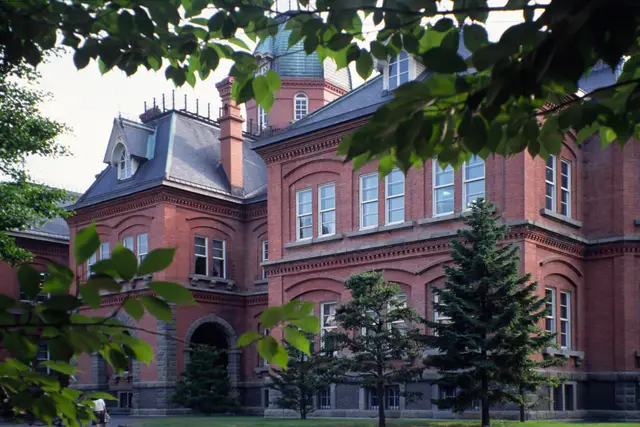
A red-brick government building from 1888. The front garden with its ponds and trees is a short, pleasant walk from the station.
PlacesHokkaido · Otaru
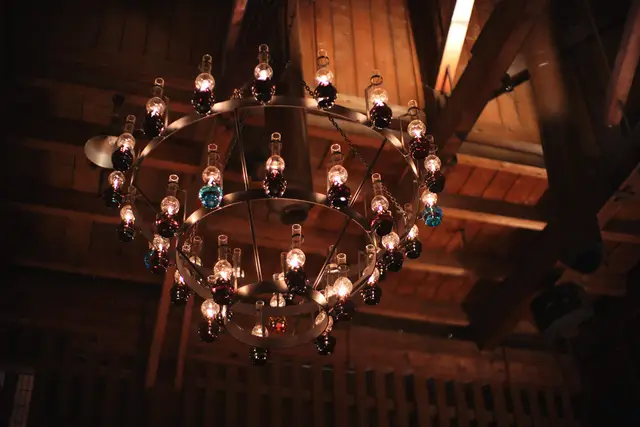
A glass shop in a stone warehouse from the 1890s, known for its cafe hall lit only by oil lamps.
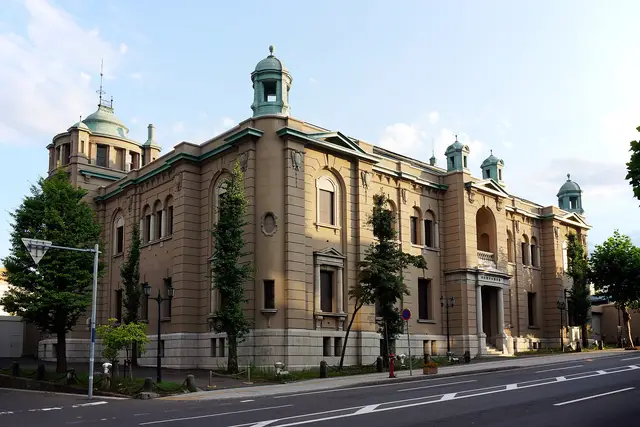
A bank building from 1912. Exhibits on money and Otaru's history fill the old banking hall with its high ceiling.
Art museums in old banks and warehouses. The stained-glass museum displays windows salvaged from English churches.
PlacesHokkaido · Hakodate
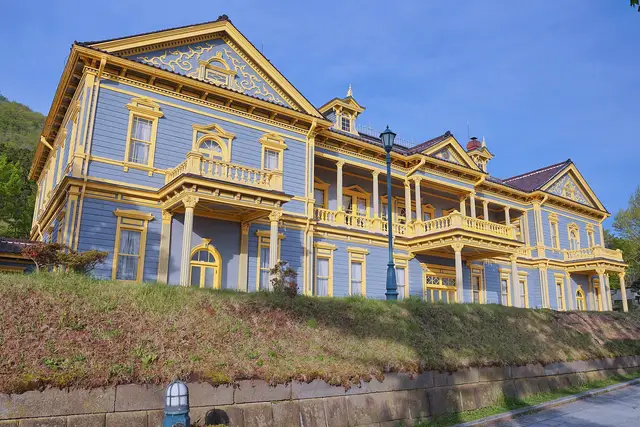
A blue and yellow Western-style hall from 1910. The balcony looks out over the harbor.
PlacesHokkaido · Asahikawa and Daisetsuzan
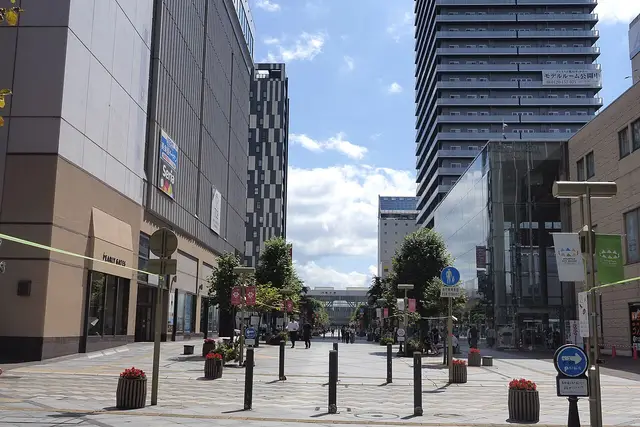
A car-free street running about 1 km north from the station. Opened in 1972 as Japan's first permanent pedestrian mall.
PlacesHokkaido · Furano and Biei
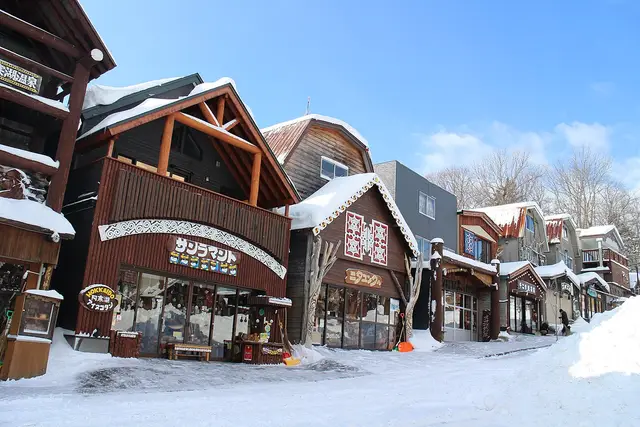
Log cabins selling handmade crafts line a boardwalk through the woods, softly lit after dark.
PlacesHokkaido · Kushiro, Akan and Mashu
A street of Ainu craft shops. At the Ikor theater at the far end, you can watch traditional dance and other performances.
PlacesTohoku · Aomori and Hirosaki
A white museum next to the Sannai-Maruyama Site, with the giant dog sculpture "Aomori-ken" and works by artists tied to Aomori.
See giant lantern floats from the Aomori Nebuta Festival all year round. Right next to the station.
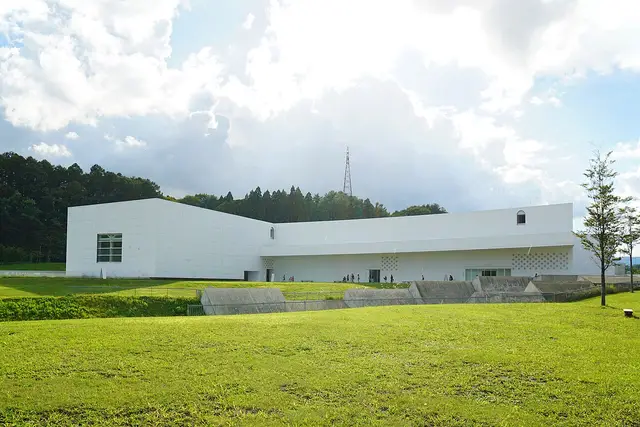
A contemporary art museum of white box-like galleries. More works stand along the avenue and in the plaza outside.
PlacesTohoku · Goshogawara and the Tsugaru Plain
Writer Dazai Osamu's family home, a grand late-Meiji mansion whose rooms mix Japanese and Western styles.
PlacesTohoku · Morioka
The former head office of Morioka Bank, by Tatsuno Kingo's firm. His only surviving building in Tohoku; an Important Cultural Property.
A museum for the writer Miyazawa Kenji on Mt. Koshio in Hanamaki. The Ihatov Hall next to it is free.
PlacesTohoku · Hiraizumi & Ichinoseki
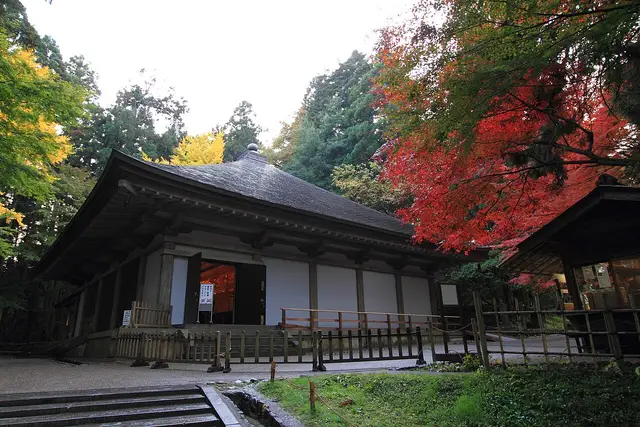
An old temple at the top of a cedar-lined slope, home to the gold-leaf Konjikido hall built by the Oshu Fujiwara lords.
PlacesTohoku · Hanamaki & Kitakami
A park built around Kenji's stories. The Kenji's School exhibit hall is paid; the woodland paths and lawns are free to wander.
PlacesTohoku · Kakunodate and Lake Tazawa
A large samurai estate with the main house, an armory and several exhibition halls showing swords, armor and old household goods.
A museum of works by Tsuguharu Foujita, including "Events of Akita", a huge mural of Akita life in 1937.
PlacesTohoku · Odate, Kosaka and Ani
A Meiji-era playhouse built for the mine's workers, an Important Cultural Property that still stages performances.
The white Western-style wooden headquarters of the Meiji-era mine, an Important Cultural Property with exhibits on mining history.
PlacesTohoku · Oga Peninsula
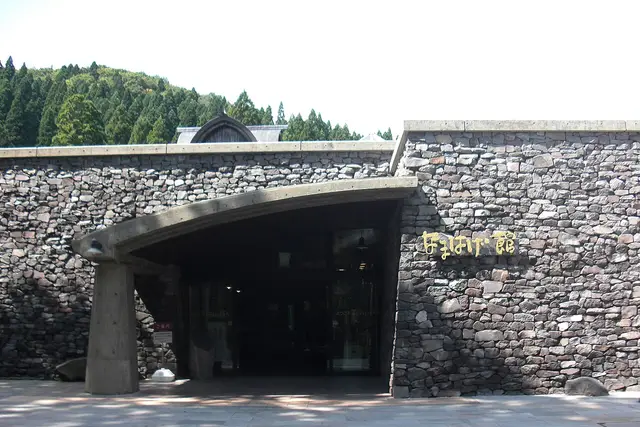
Rows of Namahage masks and costumes from across Oga. Next door, the folklore house reenacts the New Year's Eve visit.
PlacesTohoku · Yokote, Masuda and Yuzawa
A museum in the hometown of Takao Yaguchi, creator of Tsurikichi Sanpei, preserving and showing original art by many manga artists.
PlacesTohoku · Sendai
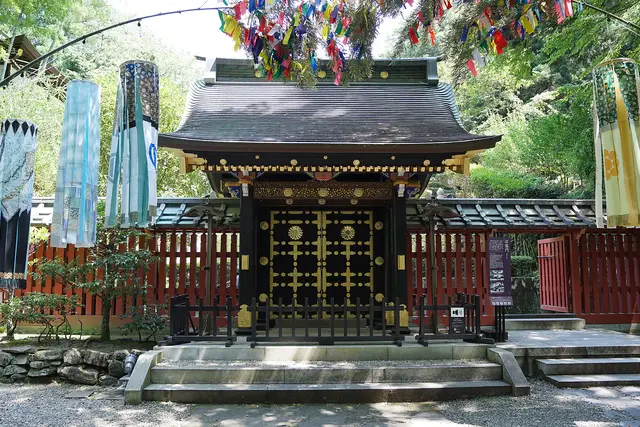
The mausoleum of Date Masamune. Stone steps through tall cedars lead up to a hall covered in brightly colored carvings.
A Zen temple in Matsushima rebuilt by Date Masamune. The main hall is a National Treasure, with paintings on gold sliding doors.
PlacesTohoku · Ishinomaki and Onagawa
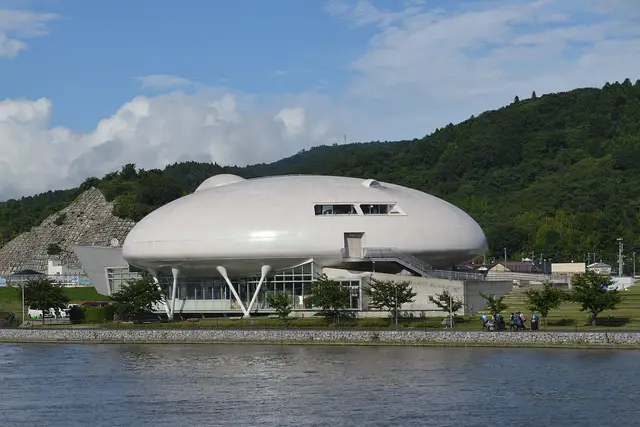
A museum for Shotaro Ishinomori, creator of Kamen Rider and Cyborg 009, on an island in the river, showing original art.
PlacesTohoku · Naruko Onsen
School of the Iwadeyama Date retainers, said to be among Japan's oldest surviving school buildings, with a fine stroll garden.
PlacesTohoku · Yamagata and Zao
The brick former prefectural office and assembly hall, completed in 1916. An Important Cultural Property, free to enter.
A museum in Tendo, the town of shogi pieces. It covers shogi's history, chess-like games of the world and how the pieces are made.
A museum of treasures handed down in Yonezawa's Uesugi family, including a National Treasure screen (the original is shown only at times).
PlacesTohoku · Shinjo and Mogami
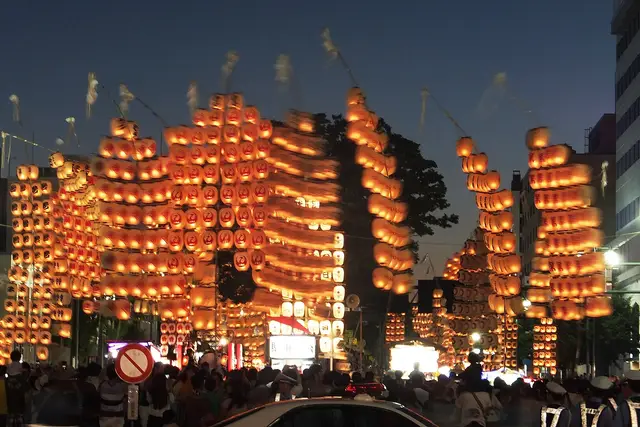
See up close the huge floats paraded through town in the August Shinjo Festival, plus everyday tools from the past.
PlacesTohoku · Tsuruoka and Dewa Sanzan
On the old estate of the Sakai lords of Shonai, with relocated Meiji-era Western-style buildings, old farmhouses and the lords' garden.
PlacesTohoku · Sakata and Yuza
The Homma merchant family's villa and its Kakubu-en garden, with an art museum beside them, a short walk from the station.
A museum of the work of Sakata-born photographer Ken Domon. The building, set beside a pond, and its garden are sights too.
PlacesChubu & Hokuriku · Niigata and Yahiko
The estate of the Ito family, Echigo landowners. Its pond garden, seen from a 100-mat hall, glows in autumn; wisteria blooms in spring.
Introduces manga artists and anime creators with Niigata roots, with character play areas and a booth where you can try voice acting.
PlacesChubu & Hokuriku · Echigo-Yuzawa and Minami-Uonuma
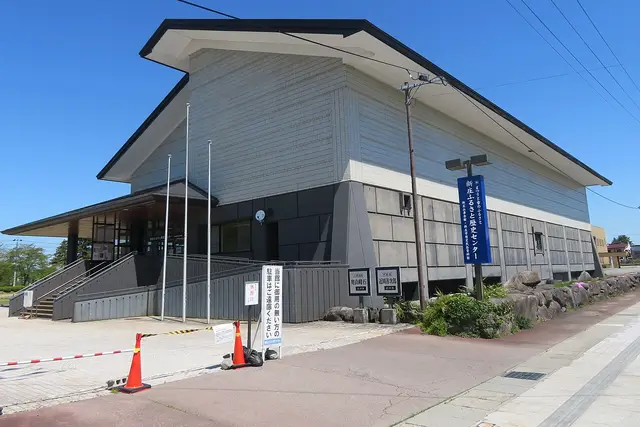
The town museum of the setting of Kawabata's novel Snow Country, covering the book and the old way of life in deep snow.
PlacesChubu & Hokuriku · Tokamachi and Tsunan
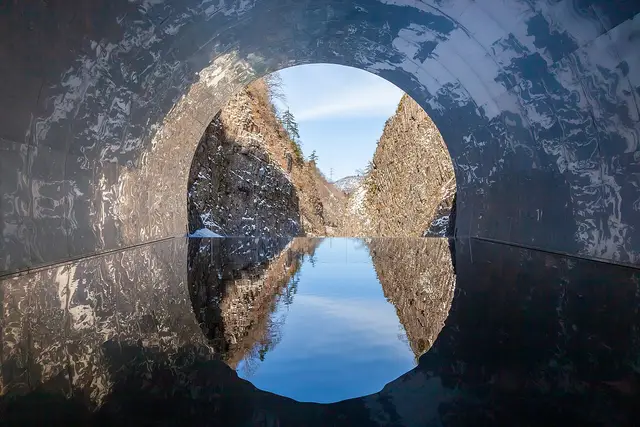
A tunnel built to view a gorge of columnar basalt. At the far end, a shallow pool artwork mirrors the canyon.
The main museum of the Echigo-Tsumari Art Triennale, built around a courtyard pool, with a hot spring bath in the same building.
An art-festival hub by the station with a Yayoi Kusama piece; about 40 more works dot the surrounding terraces and hills.
PlacesTohoku · Fukushima City, Iizaka and Nihonmatsu
One of the homes of traditional kokeshi dolls, a riverside spa town with kokeshi workshops and a free footbath.
PlacesTohoku · Inawashiro and Urabandai
A Western-style villa built in 1908 for Prince Arisugawa, now an Important Cultural Property, in woods by Lake Inawashiro.
PlacesKanto · Nikko
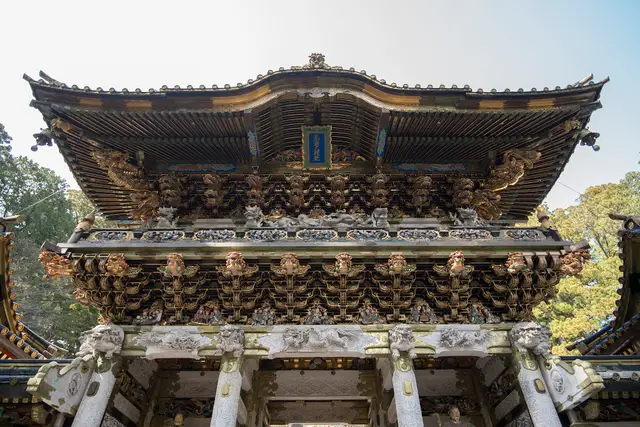
The shrine to Tokugawa Ieyasu, famous for richly colored carvings such as the Yomeimon Gate, the Sleeping Cat and the Three Wise Monkeys.
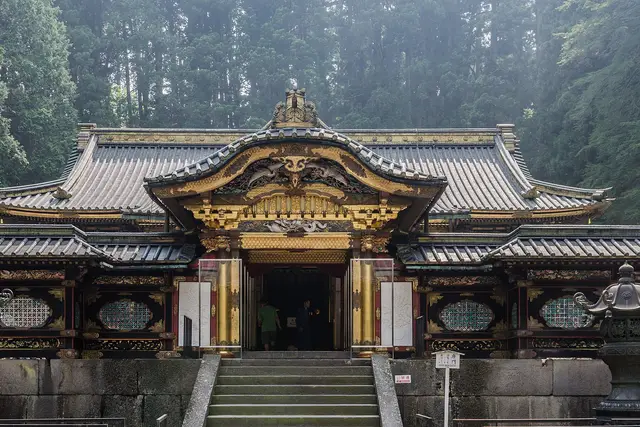
The mausoleum of the third shogun, Tokugawa Iemitsu. Its gold and black design is more restrained, and it is quieter than Toshogu.
PlacesKanto · Utsunomiya and Oya
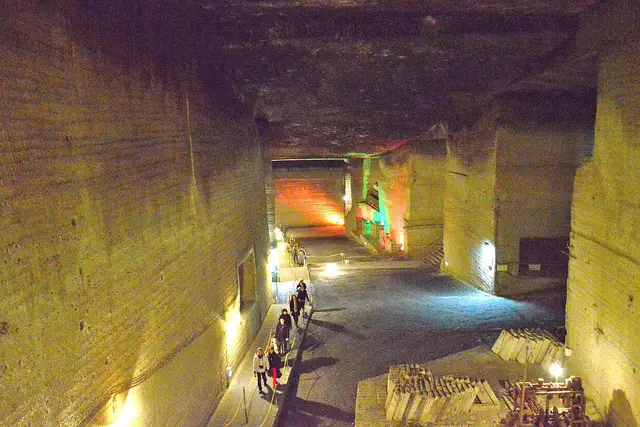
A vast underground hall left by quarrying Oya stone. It stays cool inside all year, so bring a layer even in summer.
PlacesKanto · Mashiko and Moka
A hilltop complex with a museum of Mashiko ware and the relocated home of potter Hamada Shoji.
A sloping street of pottery shops and galleries. The town-wide pottery fair is held in Golden Week and around 3 November.
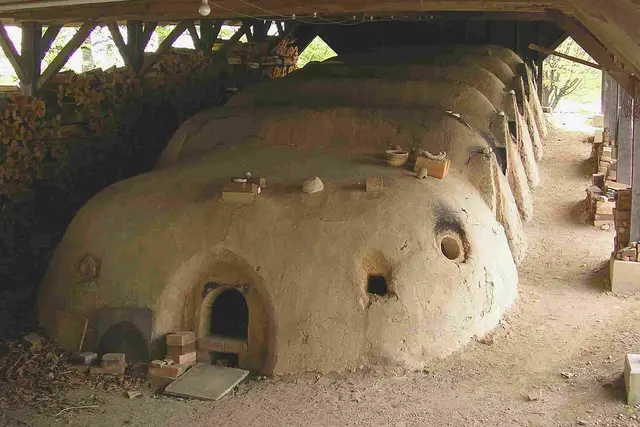
Hamada Shoji's former home and workshop, with his climbing kiln and the crafts he collected from around the world.
PlacesKanto · Mito, Oarai and Hitachinaka
An arts complex by Arata Isozaki, marked by its striking tower, with a contemporary art gallery, a concert hall and a theater.
PlacesKanto · Hitachi, Takahagi and Kitaibaraki
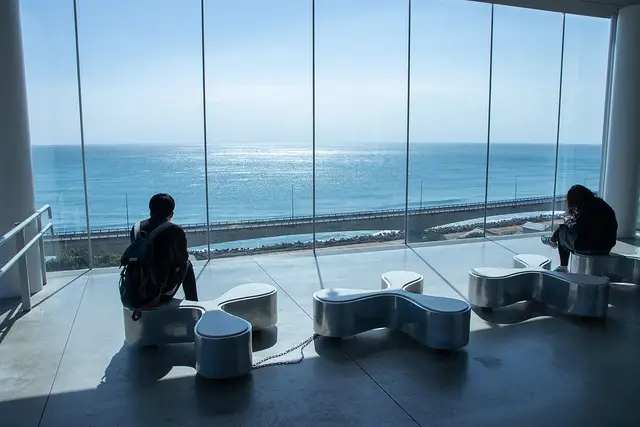
A glass-walled station designed by Kazuyo Sejima. Its east–west concourse looks straight out over the Pacific.
PlacesKanto · Koga and Yuki
A center for Yuki-tsumugi, the UNESCO-listed hand-woven silk, with a museum, a shop and weaving sessions by reservation.
PlacesKanto · Kiryu and Midori
A row of old storehouses once used for brewing sake, miso and soy sauce, now a venue for exhibitions and concerts.
PlacesKanto · Kawagoe and Chichibu
Said to date from 830. It keeps rooms moved from Edo Castle, including the room where shogun Iemitsu was born, and 538 stone arhat statues.
Chichibu's head shrine, known for carvings such as the Chained Dragon. It holds the Chichibu Night Festival in December.
PlacesKanto · Omiya and Urawa
Founded by Tokyo bonsai growers who moved here after the 1923 earthquake. Bonsai nurseries still line the lanes, and some let visitors in.
PlacesKanto · Hanno
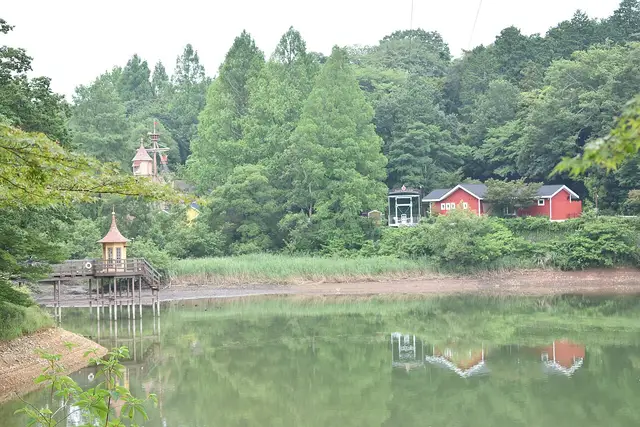
A lakeside park themed on the Moomin stories, with the Moomin house, live shows and exhibitions.
PlacesKanto · Kumagaya and Gyoda
Its main hall, built in the mid-Edo period and covered in vivid carvings, is a National Treasure. A fee lets you see the carvings up close.
PlacesKanto · Tokorozawa and Lake Sayama
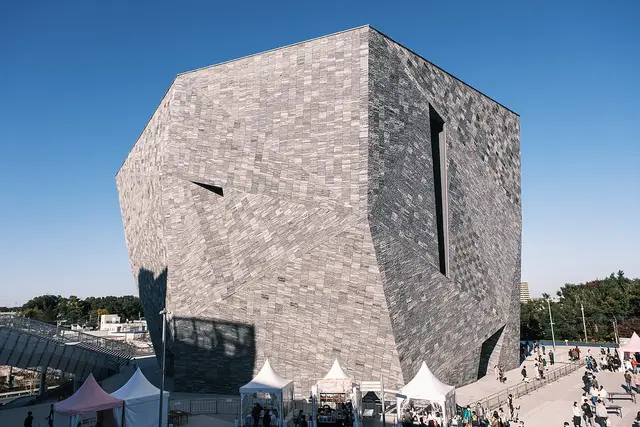
A rock-like museum designed by Kengo Kuma. Its Bookshelf Theater is surrounded by shelves about 8 m high.
PlacesKanto · Narita and Sawara
A large garden on the hill behind the Great Main Hall, with three ponds and a waterfall. Known for plum, cherry and autumn colors.
Museum of Ino Tadataka, who made Japan's first survey-based map: National Treasure maps and instruments. His old house is across the river.
The national museum of Japanese history and folk culture, in the old castle town of Sakura. A good choice for a rainy day.
PlacesChubu & Hokuriku · Kofu and Shosenkyo Gorge
Known for Millet's The Sower and other Barbizon School paintings. The museum stands in the spacious Art Forest Park.
PlacesChubu & Hokuriku · Atami and Izu
A hilltop museum looking down over Atami and Sagami Bay, showing Japanese and East Asian art in seasonal exhibitions.
A 1919 villa, later an inn for famous writers. See its Japanese wing, a Western wing mixing Japanese, Chinese and European décor and garden.
PlacesChubu & Hokuriku · Fujinomiya and southern Mt. Fuji
A building shaped like an inverted Mt. Fuji in wooden lattice. Climb its spiral ramp while learning about the mountain's nature and faith.
PlacesChubu & Hokuriku · Shizuoka and Shimizu
A lookout on the summit of Nihondaira. Walk its wooden gallery for views over Mt. Fuji, Suruga Bay and Shimizu Port.
PlacesChubu & Hokuriku · Hamamatsu and Lake Hamana
A public museum of musical instruments from around the world, with a hands-on room to play some and audio guides to hear the rest.
PlacesKansai · Hikone and East Lake Biwa
A rebuilt domain palace showing the Ii family's armour, Noh masks and tea wares, with an Edo-period Noh stage inside.
Nagahama's old streets, filled with glass shops and studios. You can try making glass yourself.
PlacesKansai · Nagahama and Maibara
A village hall housing a National Treasure statue of the eleven-headed Kannon. Villagers across Kohoku have long cared for such statues.
PlacesKansai · Kusatsu and Moriyama (Shiga)
A museum that seems to float on a water garden, with Japanese painting, sculpture and a tea room built below the water.
PlacesKansai · Koka and Shigaraki
A museum of Shigaraki ware near the station. Old tools and pieces trace the history of the pottery town.
Sloping lanes lined with potteries and ware shops, tanuki figures at every turn, and old climbing kilns along the way.
A hilltop park devoted to ceramics: exhibitions of Shigaraki and world pottery, and grounds dotted with large ceramic works.
A museum deep in the hills, reached through a tunnel and over a bridge, in a building by I. M. Pei. Open in spring, summer and autumn.
PlacesKansai · Kyoto
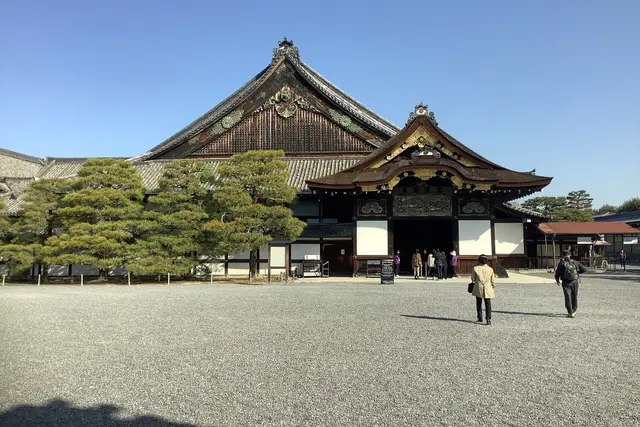
The Tokugawa shoguns' castle in Kyoto. Walk through the palace to see gold-ground screen paintings and floors that chirp underfoot.
A long hall where 1,001 life-size statues of the Thousand-Armed Kannon stand in rows. No photos inside the hall.
A temple southwest of Kyoto Station with a five-story pagoda about 55 m tall. Its Lecture Hall holds Buddhist statues from the Heian period.
PlacesKansai · Okazaki, Nanzen-ji and the Philosopher's Path
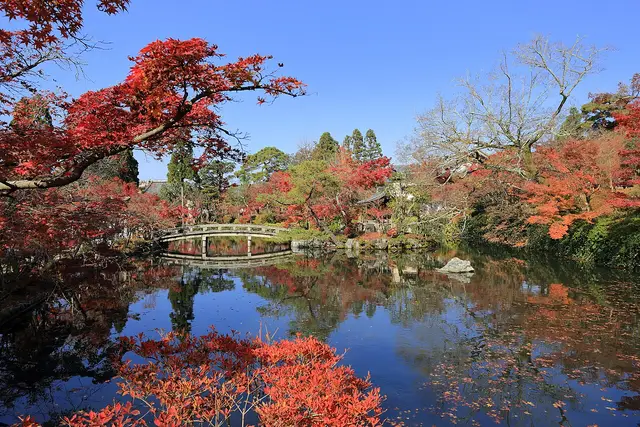
Known as the temple of maples for its autumn colors. Its Amida statue is unusual: it looks back over its shoulder.
PlacesChugoku · Hiroshima and Miyajima
A museum in leafy Central Park, known for its modern French paintings, including works by Monet and Van Gogh.
PlacesChugoku · Onomichi and the Shimanami Kaido
A temple built by a businessman for his mother, with colorful copies of famous halls and the white-marble garden called the Hill of Hope.
A museum for Nihonga painter Hirayama Ikuo, born on this island, showing his large Silk Road works and his childhood drawings.
PlacesChugoku · Miyoshi, Shobara and Taishakukyo
A museum of works by Nihonga painter Okuda Genso, linked to Miyoshi, and his wife, doll artist Sayume. Known for his vast red autumn scenes.
PlacesChugoku · Okayama and Kurashiki
Japan's first private museum centered on Western art, with paintings by El Greco, Monet and others.
PlacesChugoku · Hiruzen, Yubara and Katsuyama
A street of white-walled merchant houses and a sake brewery, each doorway hung with its own hand-dyed noren curtain.
PlacesChugoku · Tottori
A museum of sculptures made only of sand and water. The theme changes every year, with huge works by sculptors from around the world.
PlacesChugoku · Kurayoshi and Misasa
Tottori's art museum, opened in 2025, with modern works from Japan and abroad, including Warhol's Brillo Boxes, and local artists.
PlacesChugoku · Matsue and Izumo
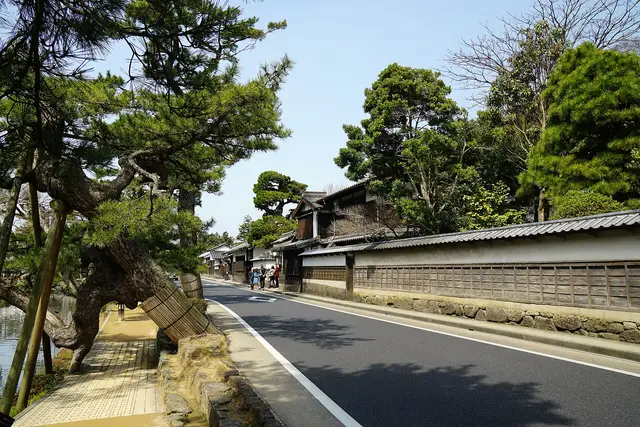
A street of samurai houses along the moat, with the former home of writer Lafcadio Hearn (Koizumi Yakumo) and a museum about him.
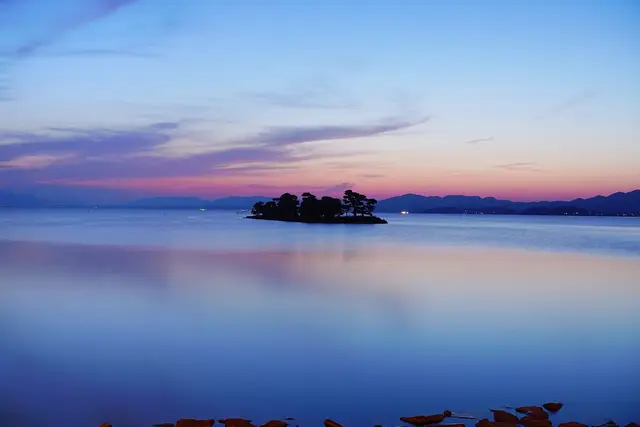
A museum on the lakeshore. The shore just to the south is the well-known place to watch the sun set behind tiny Yomegashima island.
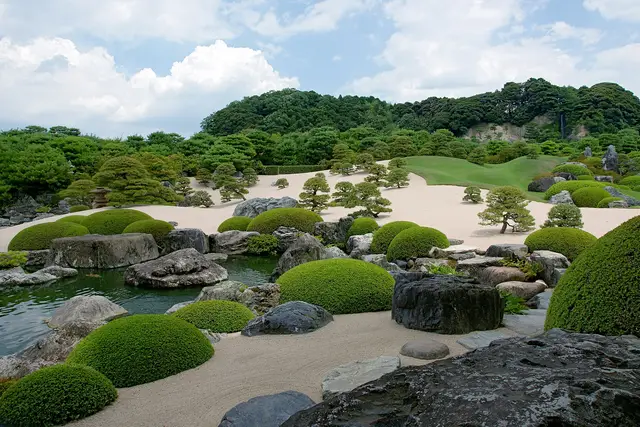
A museum known for paintings by Yokoyama Taikan and a large, immaculate Japanese garden, which you view through the windows.
PlacesChugoku · Tsuwano and Masuda
The house where the writer and army doctor Mori Ogai was born, and a museum about his life.
PlacesShikoku · Takamatsu
An island of contemporary art: the red pumpkin at the port, the Chichu Art Museum and art in old houses. Some museums need reservations.
An island said to be the ogres' island in the Momotaro tale. A large cave near the hilltop is reached by bus from the port.
An open-air museum of old farmhouses and workshops moved from around Shikoku, set on a wooded slope at the foot of Yashima.
PlacesShikoku · Naoshima and Teshima
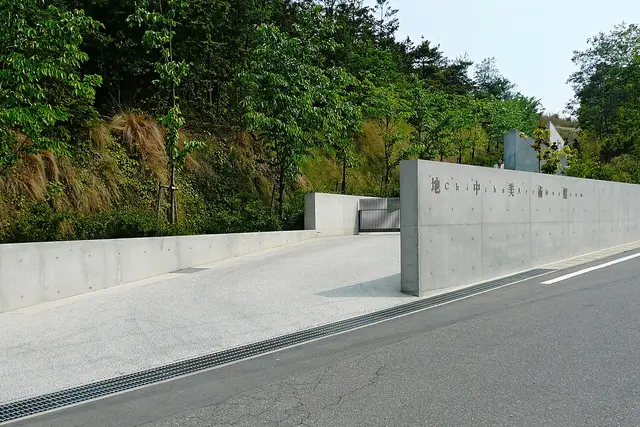
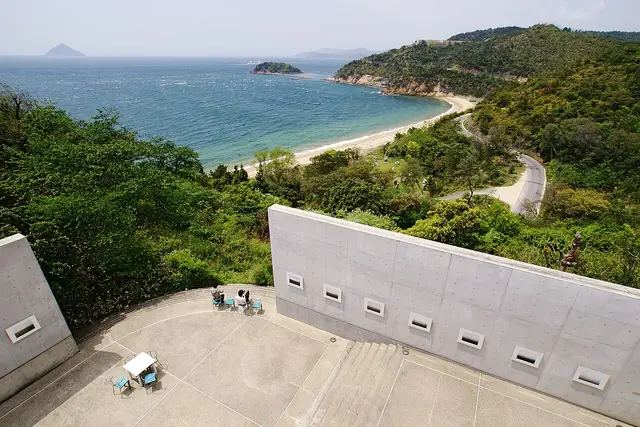
A mostly underground museum by Tadao Ando, showing Monet's Water Lilies and works by James Turrell and Walter De Maria in natural light.
A museum combined with a hotel on a hill above the sea, with outdoor works scattered along the nearby beach and woods.
Old houses and a shrine in Honmura village turned into artworks. There are seven, and Minamidera and Kinza need reservations.
Opened in 2025 and designed by Tadao Ando, this museum focuses on artists from Asia, including Japan.
PlacesShikoku · Marugame, Sakaide and Utazu
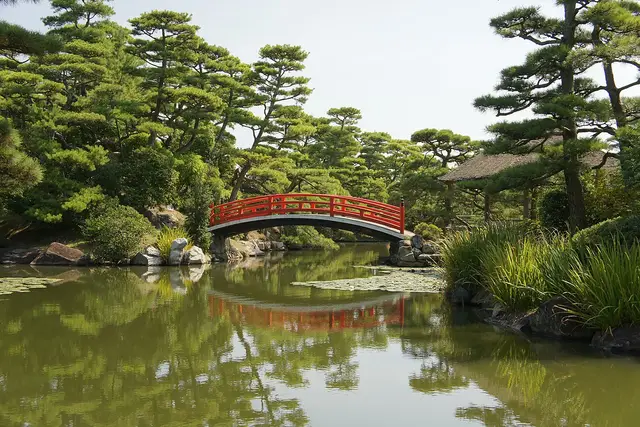
A strolling garden laid out by the lord of Marugame in 1688 among seaside pines, with an art museum in the grounds.
PlacesShikoku · Kotohira, Zentsuji and Manno
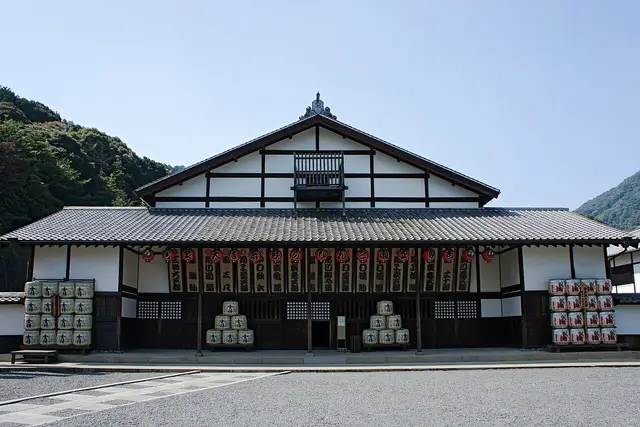
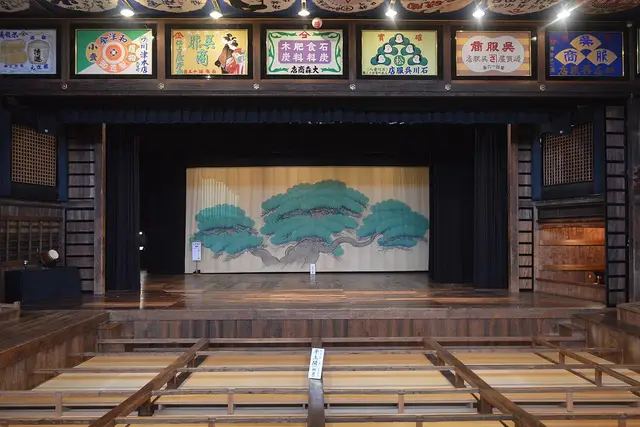
Built in 1835, the oldest surviving kabuki playhouse in Japan. Tour the backstage and under-stage, and catch kabuki here in spring.
PlacesShikoku · Tokushima and Naruto
About 1,000 Western masterpieces from museums worldwide, reproduced full size on ceramic panels. The route is about 4 km long.
See the Awa Odori dance year-round: a resident troupe by day, famous groups at night, and a chance to join in. Also a museum.
PlacesShikoku · Wakimachi, Mima and Tsurugi
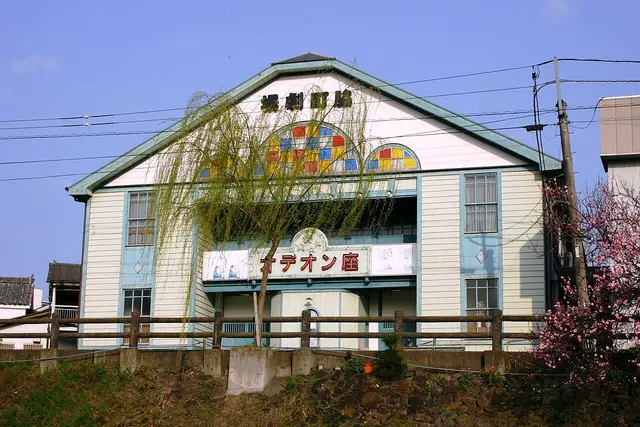
An early Showa playhouse that later became a cinema. Visitors can see the revolving stage, the hanamichi walkway and the trap room below.
PlacesKyushu · Fukuoka and Hakata
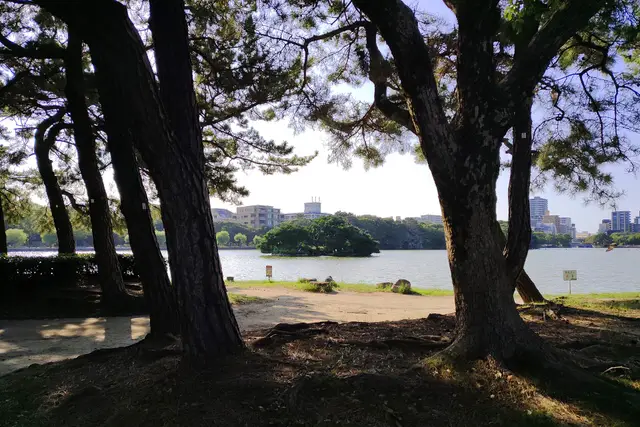
A park with a path all around a large pond, and bridges across the islands in the middle. A Japanese garden and an art museum are next door.
A museum reached by a moving-walkway tunnel from beside Dazaifu Tenmangu. It shows the history of exchange between Japan and Asia.
PlacesKyushu · Kurume, Yame & Ukiha
A cultural complex given to his hometown by the founder of Bridgestone, with an art museum and gardens known for roses.
PlacesKyushu · Yanagawa
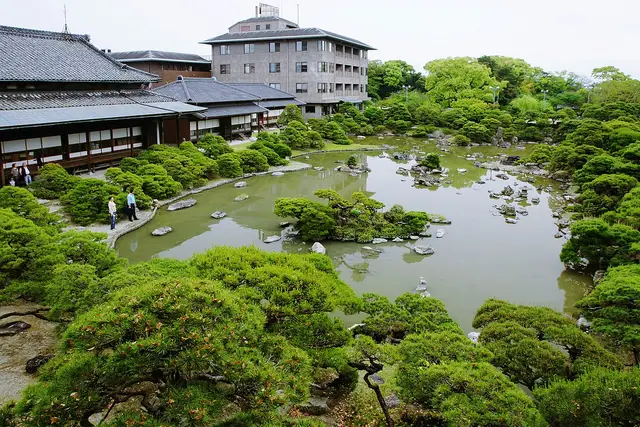
The villa of the Tachibana lords of Yanagawa, with a white Western-style hall, the pine garden Shotoen and a museum of family treasures.
Birthplace of Kitahara Hakushu, poet and writer of children's songs. See his family's old sake brewery home and a museum of Yanagawa life.
PlacesKyushu · Saga, Takeo and Arita
The heart of the Arita porcelain town. Its old streets lined with pottery shops form a protected historic district.
PlacesKyushu · Karatsu and Yobuko
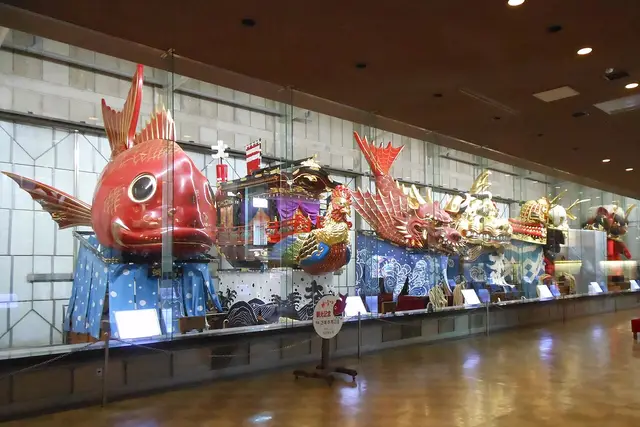
Displays the 14 floats of the Karatsu Kunchi festival. See the lacquered sea bream, lion and samurai-helmet floats up close.
A Meiji coal baron's mansion, an Important Cultural Property, with a Noh stage inside and fine painted doors and transoms.
PlacesKyushu · Arita and Imari
Lanes lined with walls of old kiln bricks and pottery shards set in red clay, the back side of the potters' town.
PlacesKyushu · Hirado
The former residence of the Matsura lords, showing their family treasures. You can take tea in the garden teahouse.
PlacesKyushu · Yamaga and Kikuchi
A wooden playhouse built in 1910 and now an Important Cultural Property. Tours go right down under the stage.
PlacesKyushu · Oita City
An art museum by architect Shigeru Ban, its facade recalling bamboo craft. It shows works tied to Oita as well as special exhibitions.
PlacesOkinawa · Naha
A stone-paved street of kilns and shops selling yachimun, Okinawan pottery. You can buy tableware and shisa lion-dog figures.
PlacesOkinawa · Onna and Yomitan
Yomitan's village of pottery studios, with a large climbing kiln and workshop shops where you can choose tableware.
An art museum and an outdoor sculpture garden set in the woods. Workshops offer hands-on crafts such as pottery.
A national center for Ainu culture in Shiraoi, with a museum, traditional dance performances and a reconstructed village by the lake.
An English-style garden planted with flowers suited to Hokkaido's climate. Open from spring to autumn.
An Ainu museum founded in 1916 and run by an Ainu family. See everyday tools, clothing and a traditional house.
A history museum and art museum in a building modeled on a gusuku castle. A good introduction to Okinawa's nature and history.
A crafts center in the Tenbusu Naha building on Kokusai-dori, with hands-on classes in bingata dyeing, Ryukyu glass, weaving and more.
PlacesOkinawa · Miyakojima
Craft workshops inside the tropical botanical garden, offering hands-on weaving, indigo dyeing, sanshin playing and more.
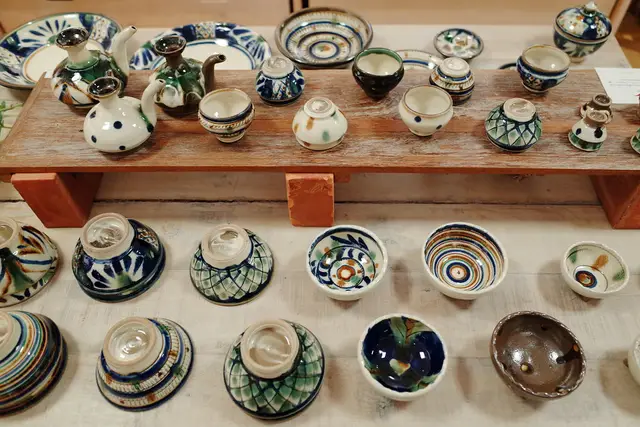
A museum at the entrance to Tsuboya Yachimun Street that explains the history and techniques of Okinawan pottery.
Yomitan's village museum beside Zakimi Castle, covering local history and the village's pottery and weaving.
PlacesOkinawa · Yanbaru
A hall in Kijoka, home of bashofu cloth woven from banana-plant fiber, where you can see the work and finished pieces.
For stations and addresses, use route searchPhoto and data credits