Kasumigaoka霞ヶ丘
原宿・表參道指南
Next to the forest of Meiji Jingu lie youthful Harajuku and the zelkova-lined Omotesando. Aoyama's museums and the ginkgo avenue and ballpark of Jingu Gaien are within walking distance.
景點 經典4處
依興趣選擇
依交通方式選擇
依遠近選擇
- 2
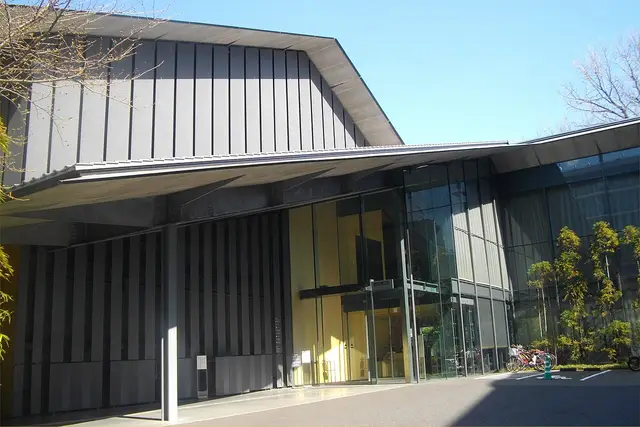
根津美術館
A museum of Japanese and East Asian art, with a large garden of ponds and teahouses to stroll among the trees.
- 美術館・博物館
- 自然
- 歷史・建築
約1.5小時收費雨天也可遊覽
步行 · 從Harajuku約20分鐘 ・ About 20 minutes on foot along Omotesando, or 8 minutes from Omote-sando subway station ・ 距此1.5km
- 3
神宮外苑銀杏大道
Four rows of ginkgo trees lead straight toward the picture gallery, turning golden at the end of autumn.
- 自然
- 風景・展望
約45分鐘免費
地鐵 · 從Harajuku約20分鐘 ・ Chiyoda Line from Meiji-jingumae to Omote-sando, Ginza Line to Gaiemmae, then about 5 minutes on foot ・ 距此600m
- 4
國立代代木競技場
Kenzo Tange's arena for the 1964 Tokyo Olympics, admired for the sweeping curves of its suspended roof.
- 美術館・博物館
- 風景・展望
- 歷史・建築
約30分鐘免費
步行 · 從Harajuku約5分鐘 ・ About 5 minutes on foot from the Omote Exit ・ 距此1.4km
價格、營業時間和運行日請以官方資訊為準。
照片與資料出處
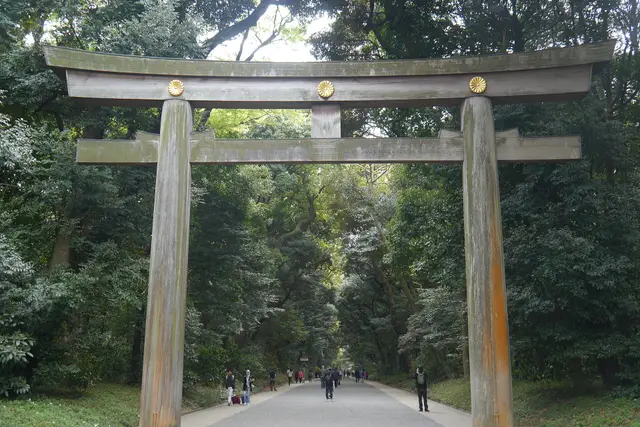
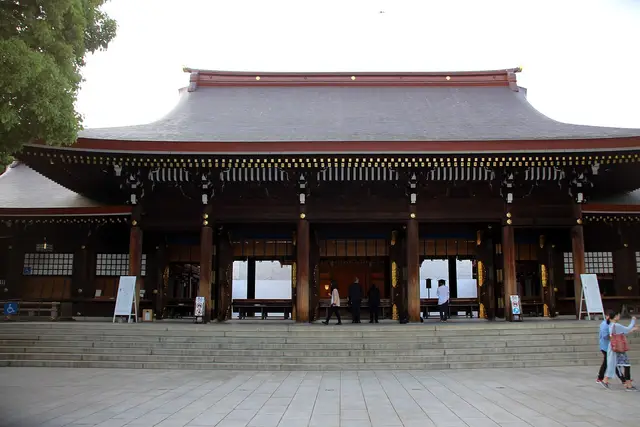
The large wooden torii leading into the Meiji Jingu forest Zairon (CC BY-SA 4.0) / The main hall of Meiji Jingu beyond a wide gravel courtyard Hyppolyte de Saint-Rambert (CC BY-SA 4.0) / The Nezu Museum entrance with its broad roof and bamboo planting Kentin (CC BY-SA 3.0)。已裁切並縮小。
設施・特色
- 有電梯(可能需要繞路)
- 轉乘參考時間 約4分鐘
可在此搭乘的路線
從這裡步行可到
在地圖上查看附近- 去這裡神宮外苑銀杏大道步行約9分鐘
Four rows of ginkgo trees lead straight toward the picture gallery, turning golden at the end of autumn.
- 去這裡明治神宮棒球場步行約6分鐘
Home of the Yakult Swallows. Sit in the outfield to join the chants and umbrella dance of Japanese baseball fans.
- 去這裡鳩森八幡神社步行約7分鐘
A shrine keeping a miniature Mt. Fuji mound built in the Edo period, which you can climb to the top.
- 去這裡Watari-um美術館步行約8分鐘
A small contemporary art museum on Gaien-nishi-dori, in a building by Swiss architect Mario Botta.
這個地點的評論
撰寫評論尚無符合條件的評論。
關於此地的提問
發問還沒有提問。可以詢問前往方式、車票或行李等。