Meiji Jingu Shrine明治神宮
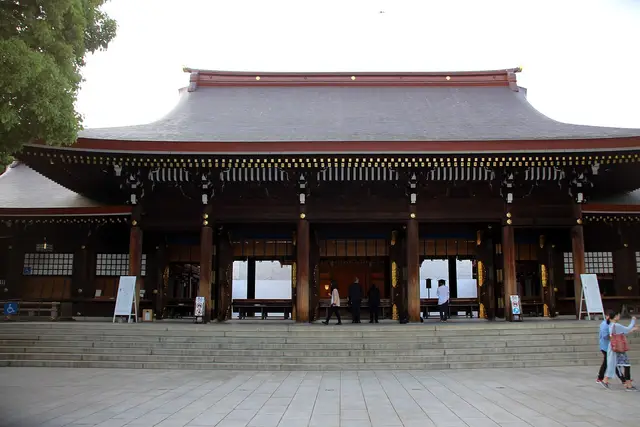
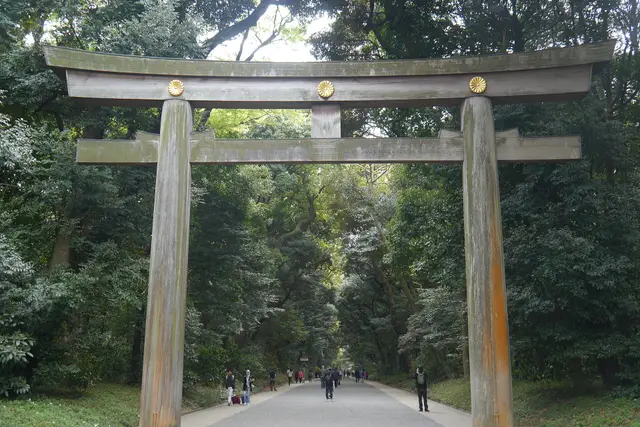
A shrine deep in a forest. The entrance is right beside Harajuku Station, close to Takeshita Street and its youth fashion shops.
- Temples, shrines & churches
- Nature
- Shopping & strolling
- about 1.5 hr
- Free
- Wheelchair & stroller friendly
Train · About 40 min from Tokyo ・ JR Yamanote Line to Harajuku, then about 10 minutes on foot to the main hall
What you can do here
Walk through the forest to the shrine
There are three entrances. From any of them it is about a 10-minute walk along a forest path to the main shrine buildings, where you will find the water basins.
Omikuji poem slips (Omigokoro)
Instead of good or bad luck, these slips carry a waka poem by Emperor Meiji or Empress Shoken, with an English translation.
Amulets and ema plaques
Amulets come in many kinds, for study, relationships, traffic safety and more. You can also write a wish on a wooden ema plaque and leave it at the shrine.
The Inner Garden (Gyoen)
Once the garden of a feudal lord's residence, with a pond, an iris field and the Kiyomasa's Well spring. A maintenance contribution is charged to enter.
Harajuku and Omotesando guide
Next to the forest of Meiji Jingu lie youthful Harajuku and the zelkova-lined Omotesando. Aoyama's museums and the ginkgo avenue and ballpark of Jingu Gaien are within walking distance.
Things to see 4 classics
By interest
By how you get there
By distance
- 1
Meiji Jingu Shrine and Harajuku
A shrine deep in a forest. The entrance is right beside Harajuku Station, close to Takeshita Street and its youth fashion shops.
- Temples, shrines & churches
- Nature
- Shopping & strolling
about 1.5 hrFreeWheelchair & stroller friendly
Train · About 40 min from Harajuku ・ JR Yamanote Line to Harajuku, then about 10 minutes on foot to the main hall ・ 100m from here
- 2
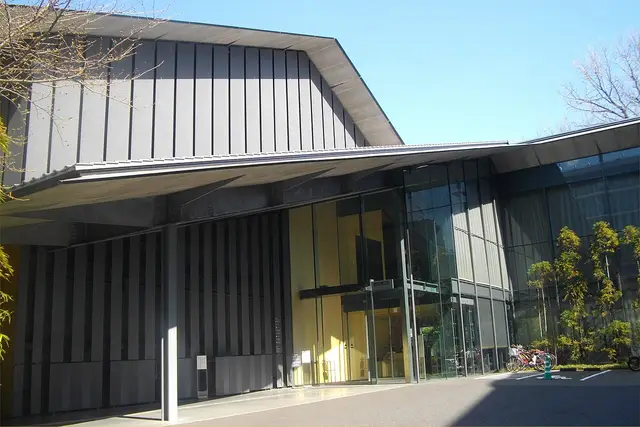
Nezu Museum
A museum of Japanese and East Asian art, with a large garden of ponds and teahouses to stroll among the trees.
- Museums
- Nature
- History & buildings
about 1.5 hrPaid entryFine on a rainy day
Walk · About 20 min from Harajuku ・ About 20 minutes on foot along Omotesando, or 8 minutes from Omote-sando subway station ・ 2.3km from here
- 3
Jingu Gaien Ginkgo Avenue
Four rows of ginkgo trees lead straight toward the picture gallery, turning golden at the end of autumn.
- Nature
- Views
about 45 minFree
Subway · About 20 min from Harajuku ・ Chiyoda Line from Meiji-jingumae to Omote-sando, Ginza Line to Gaiemmae, then about 5 minutes on foot ・ 1.8km from here
- 4
Yoyogi National Gymnasium
Kenzo Tange's arena for the 1964 Tokyo Olympics, admired for the sweeping curves of its suspended roof.
- Museums
- Views
- History & buildings
about 30 minFree
Walk · About 5 min from Harajuku ・ About 5 minutes on foot from the Omote Exit ・ 1000m from here
Connections from here
Meiji Jingu Shrine
Area guide
Themes
Nearby places in the same theme
Tips for this place
Write a tipNo tips match these filters yet.
Questions about this place
Ask a questionNo questions yet. Ask about getting here, tickets or luggage.