Kitahama北浜
Nakanoshima, Kitahama and Yodoyabashi guide
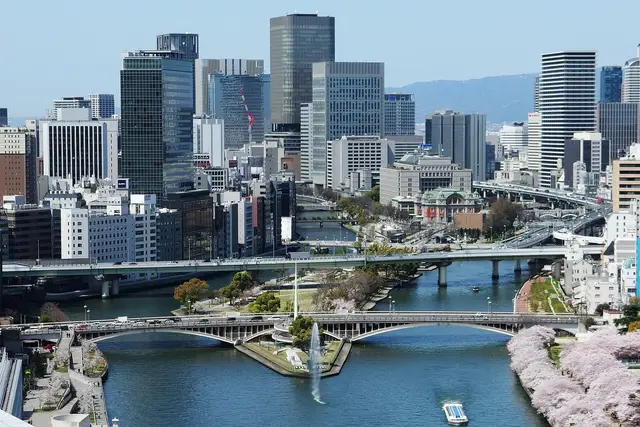
A long island between two rivers and the old merchant quarter of Semba. Museums and the red-brick public hall line the island, while old buildings and shrines survive in the pharmacy and finance streets.
Things to see 3 classics
By interest
By how you get there
- 1
National Museum of Art, Osaka
A contemporary art museum built mostly underground, marked by a striking steel entrance sculpture that resembles bamboo.
- Museums
about 1.5 hrPaid entryFine on a rainy day
Walk · About 15 min from Yodoyabashi ・ 1.4km from here
- 2
Nakanoshima Museum of Art, Osaka
A museum in a striking black box, collecting modern and contemporary art and design, with major special exhibitions.
- Museums
about 1.5 hrPaid entryFine on a rainy day
Walk · About 15 min from Yodoyabashi ・ 1.4km from here
- 3
Museum of Oriental Ceramics, Osaka
A museum known for its fine collection of Chinese and Korean ceramics, at the entrance to Nakanoshima Park.
- Museums
about 60 minPaid entryFine on a rainy day
Walk · About 7 min from Yodoyabashi ・ 300m from here
Check prices, opening hours and operating days in official sources.
Photo and data credits
Cherry blossoms along the river and Nakanoshima's towers Mc681 (CC BY-SA 4.0). Cropped and resized.
Facilities & features
- Elevators available (the route may be longer)
- Typical transfer time: about 4 min
Lines from here
Within walking distance of this station
See nearby on a map- Go hereMuseum of Oriental Ceramics, OsakaAbout 5 min on foot
A museum known for its fine collection of Chinese and Korean ceramics, at the entrance to Nakanoshima Park.
- Go hereOsaka ExchangeAbout 1 min on foot
The domed entrance of the Osaka Exchange anchors the Kitahama finance district, with a statue of Godai Tomoatsu in front.
- Go hereTekijukuAbout 2 min on foot
The school where Ogata Koan taught Western medicine in the late Edo period. The wooden townhouse survives among office towers.
- Go hereSukunahikona ShrineAbout 4 min on foot
The shrine of the gods of medicine in Doshomachi, the old pharmacy quarter, called 'Shinno-san' and known for papier-mache tiger charms.
Tips for this place
Write a tipNo tips match these filters yet.
Questions about this place
Ask a questionNo questions yet. Ask about getting here, tickets or luggage.