Ryōgoku-Yonchōme (Ryōgoku 4)両国四丁目
Ryogoku and Kinshicho guide
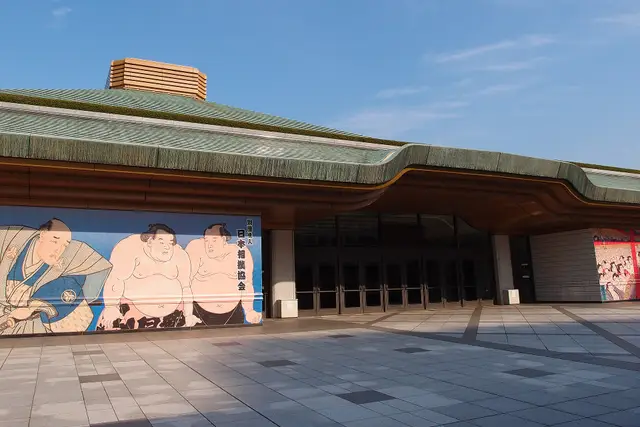
Ryogoku, the town of sumo, gathers the national sumo hall, the Edo-Tokyo Museum, a Hokusai museum and a daimyo garden. Farther east, Kameido has a shrine famous for wisteria.
Things to see 4 classics
By interest
By how you get there
By distance
- 1
Edo-Tokyo Museum
A museum of city life from Edo to modern Tokyo, with large-scale models of old streets. Reopened in March 2026 after renovation.
- History & buildings
- With kids
about 2 hrPaid entryFine on a rainy day
Walk · About 3 min from Ryogoku ・ 200m from here
- 2
Sumida Hokusai Museum
A museum devoted to ukiyo-e master Katsushika Hokusai, born in this area. The angular aluminum-clad building is by Kazuyo Sejima.
- Museums
- History & buildings
about 75 minPaid entryFine on a rainy day
Walk · About 9 min from Ryogoku ・ 500m from here
- 3
Kyu-Yasuda Garden
A former daimyo garden around a pond once fed by the Sumida River, just north of the Kokugikan sumo hall.
- Nature
- History & buildings
about 30 minFree
Walk · About 5 min from Ryogoku ・ 500m from here
- 4
Kameido Tenjin Shrine
A shrine to the god of learning. From late April to early May, wisteria trellises over the pond and its arched bridges are superb.
- Temples, shrines & churches
- Nature
about 45 minFree
Train · About 20 min from Ryogoku ・ JR Sobu Line to Kameido, then about 12 minutes on foot ・ 2.5km from here
Check prices, opening hours and operating days in official sources.
Photo and data credits
The Ryogoku Kokugikan sumo hall with a sumo mural on its wall Guilhem Vellut (CC BY 2.0). Cropped and resized.
Facilities & features
- Elevators available (the route may be longer)
- Typical transfer time: about 4 min
Lines from here
Within walking distance of here
See nearby on a map- Go hereEdo-Tokyo MuseumAbout 4 min on foot
A museum of city life from Edo to modern Tokyo, with large-scale models of old streets. Reopened in March 2026 after renovation.
- Go hereKyu-Yasuda GardenAbout 7 min on foot
A former daimyo garden around a pond once fed by the Sumida River, just north of the Kokugikan sumo hall.
- Go hereSumida Hokusai MuseumAbout 8 min on foot
A museum devoted to ukiyo-e master Katsushika Hokusai, born in this area. The angular aluminum-clad building is by Kazuyo Sejima.
- Go hereSite of Kira's mansion (Honjo Matsuzakacho Park)About 3 min on foot
Site of Kira Kozukenosuke's mansion, stormed by the 47 Ronin in 1703. Now a small park walled in Edo style.
Tips for this place
Write a tipNo tips match these filters yet.
Questions about this place
Ask a questionNo questions yet. Ask about getting here, tickets or luggage.