Menu
Search a route and press “Save route” to open it from here in one tap.
Sign in to keep your visits and rank, and see them on your other devices.
Results for “쇼핑·산책”: 543
There are many, so the top 127 are shown. Add a word to narrow it down (for example “Kyoto temple”).
Where to look
PlacesHokkaido · Sapporo
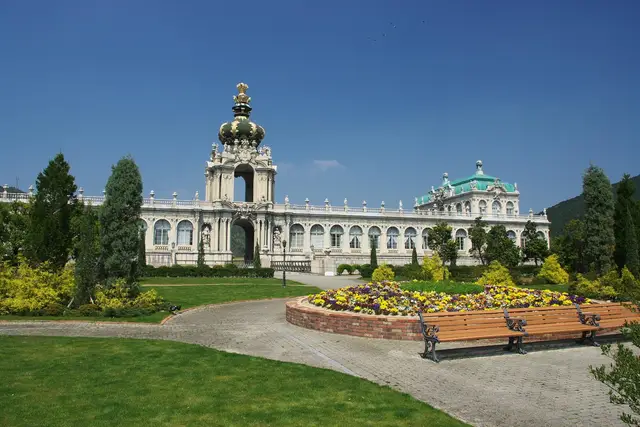
A theme park where you can see the factory line for Shiroi Koibito cookies, set in European-style buildings and gardens.
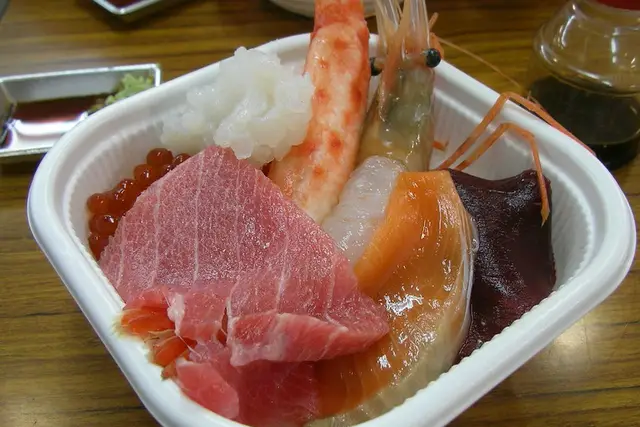
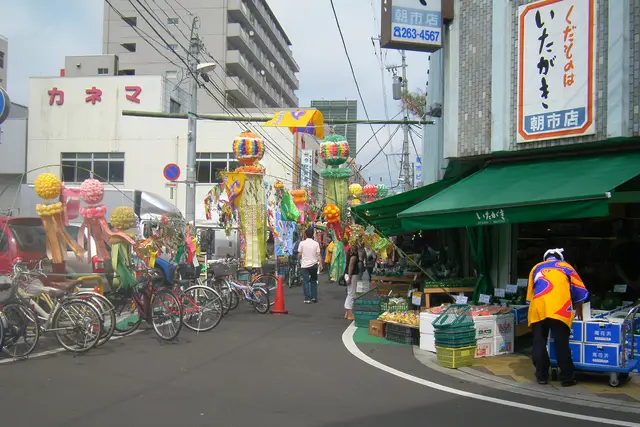
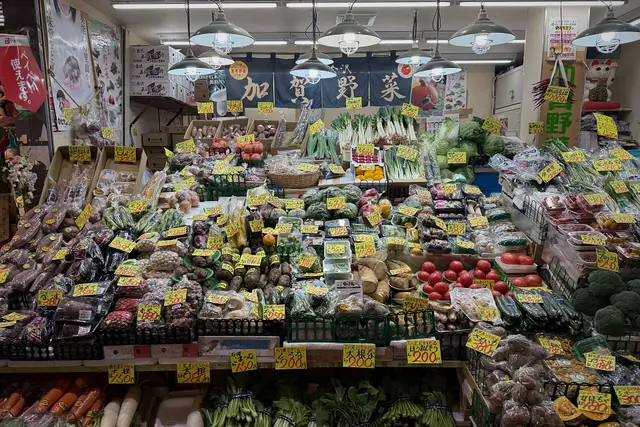
A market dating back to the Meiji era, southeast of Odori. Stalls sell crab and other seafood, and small diners serve seafood rice bowls.
PlacesHokkaido · Otaru
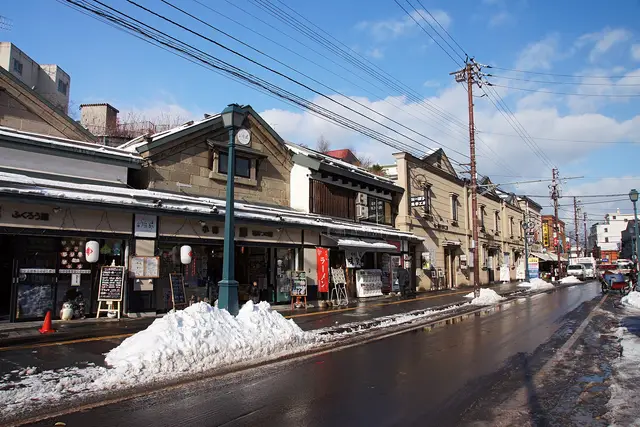
A street of glass, music-box and sweet shops in old merchant houses and warehouses. Good for snacking as you walk.
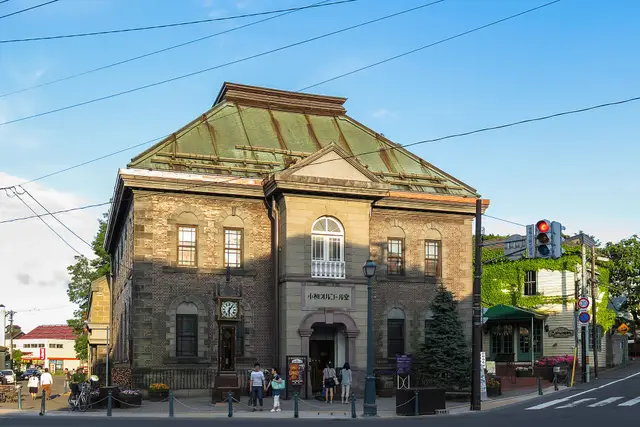
A shop filled with music boxes in a brick building from 1912. The steam clock in front is the landmark.
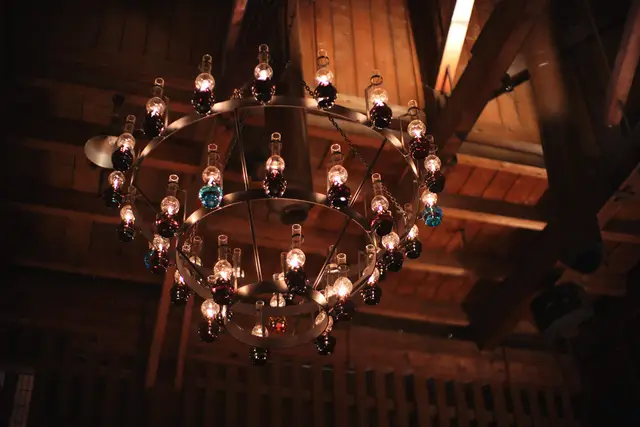
A glass shop in a stone warehouse from the 1890s, known for its cafe hall lit only by oil lamps.
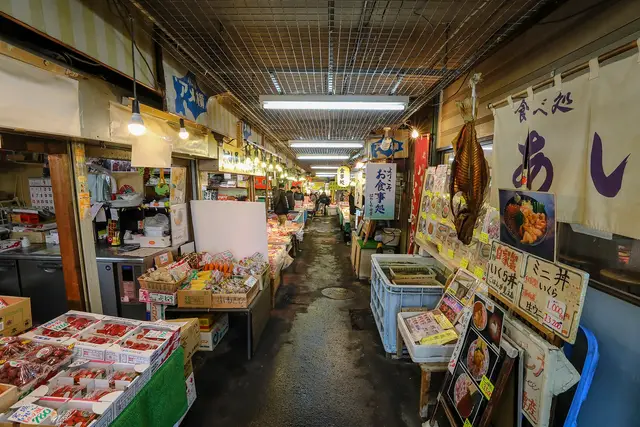
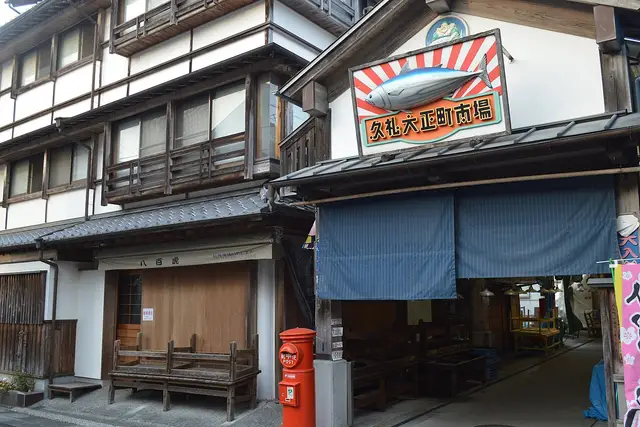
A small market right beside Otaru Station, with fish stalls and seafood rice-bowl diners. Busiest from morning until noon.
PlacesHokkaido · Hakodate
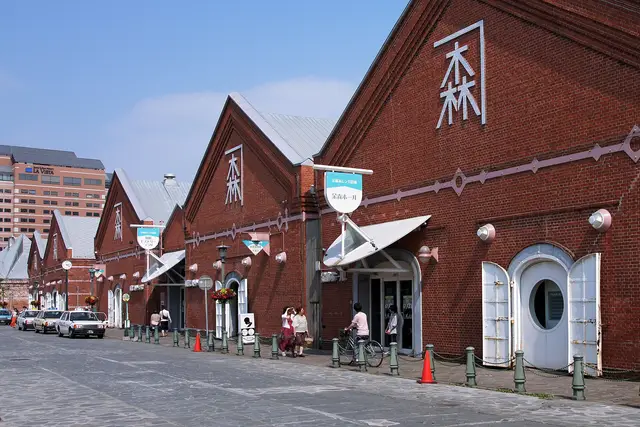
Shops and restaurants in Meiji-era warehouses along the harbor. Pretty when lit at night.
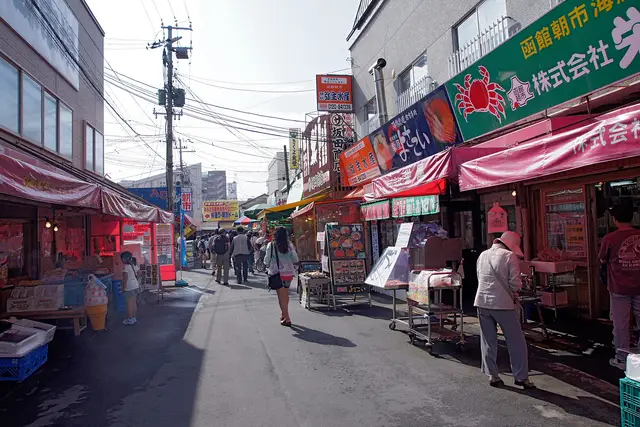
Right next to the station. Seafood rice bowls and squid fishing. Busiest from early morning until around noon.
PlacesHokkaido · Asahikawa and Daisetsuzan
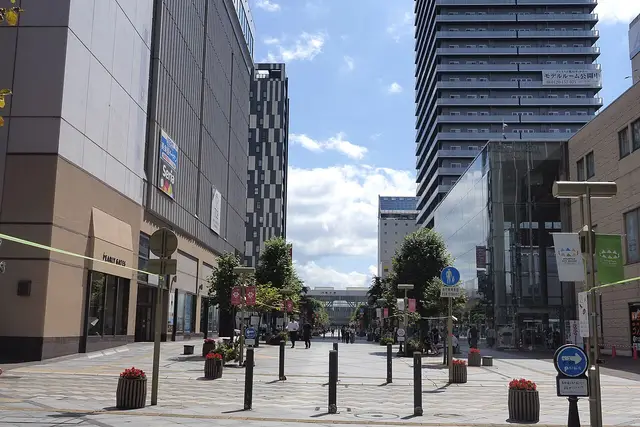
A car-free street running about 1 km north from the station. Opened in 1972 as Japan's first permanent pedestrian mall.
PlacesHokkaido · Furano and Biei
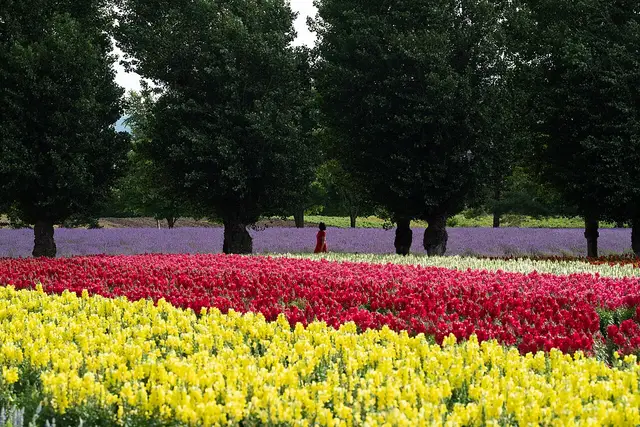
Flower fields famous for lavender, at their best in July. Stripes of other flowers bloom through the warmer months.
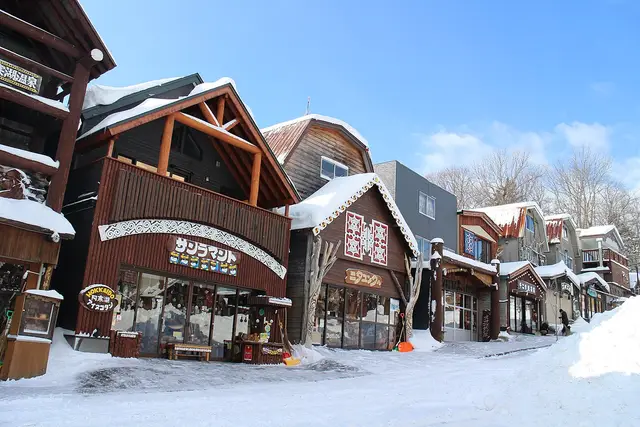
Log cabins selling handmade crafts line a boardwalk through the woods, softly lit after dark.
A cluster of shops and eateries near the station selling Furano vegetables, sweets and wine.
PlacesHokkaido · Noboribetsu and Lake Toya
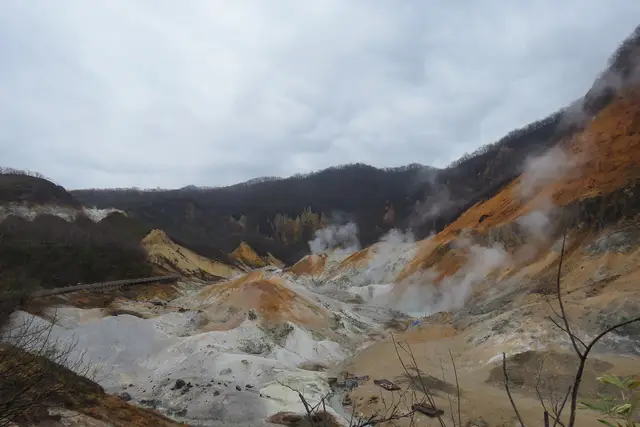
An explosion crater filled with steam and the smell of sulfur. A boardwalk leads deep into the valley.
PlacesHokkaido · Kushiro, Akan and Mashu
A market near the station known for katte-don: buy a bowl of rice, then add seafood from stall to stall.
A street of Ainu craft shops. At the Ikor theater at the far end, you can watch traditional dance and other performances.
PlacesTohoku · Aomori and Hirosaki
A waterfront shopping hall by the station. Watch cider being made from Aomori apples through the glass, and shop for local food and gifts.
PlacesTohoku · Hachinohe
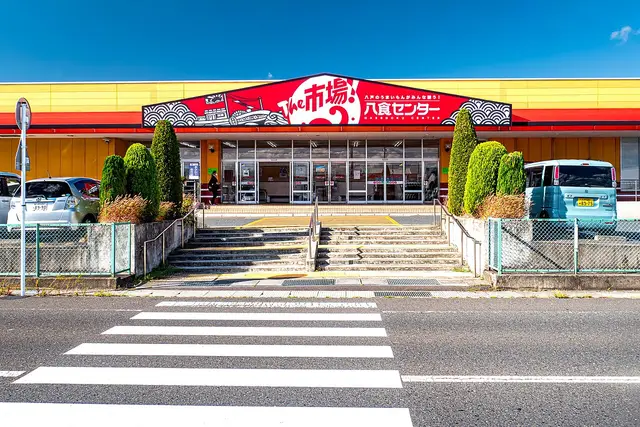
A big market of seafood and dried-fish stalls. Grill what you buy over charcoal braziers inside.
Hundreds of stalls line the harbor wharf, on Sunday mornings only, from spring to the end of the year.
PlacesTohoku · Kuji & North Sanriku
A museum in Kuji, a source of amber. See amber with insects trapped inside, and try digging for some yourself.
PlacesTohoku · Yokote, Masuda and Yuzawa
Long, narrow merchant houses hide whole storehouses inside. The street is a nationally protected historic district.
PlacesTohoku · Sendai
A lane of fish, vegetable and deli stalls a short walk from the station. Despite the name, it stays open into the evening.
PlacesTohoku · Kesennuma and Minamisanriku
A market street rebuilt after the tsunami, with shops for local products and eateries serving seasonal 'kira-kira' seafood bowls.
PlacesTohoku · Yamagata and Zao
Storehouses of a former safflower merchant, now home to Yamagata restaurants, souvenirs, a farm stand and a tourist information desk.
PlacesTohoku · Sakata and Yuza
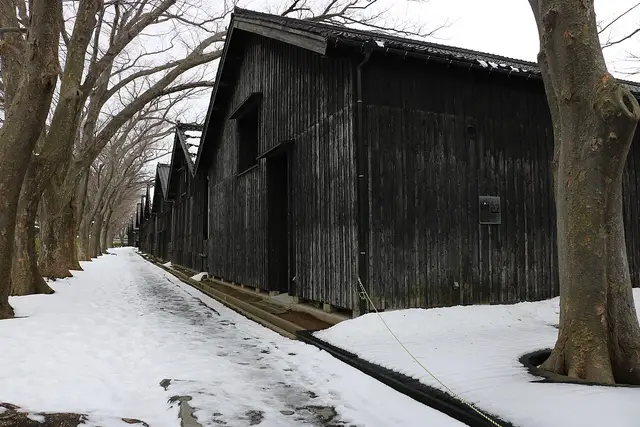
Meiji-era rice warehouses line the river behind a row of zelkova trees. The Sakata Yume-no-Kura shop and museum is inside.
PlacesChubu & Hokuriku · Niigata and Yahiko
A harborside market of fishmongers, produce stalls and conveyor-belt sushi, full of Niigata seafood and local specialties.
Niigata's old downtown from its days as a busy port, with covered shopping streets and a geisha quarter of traditional restaurants.
PlacesChubu & Hokuriku · Murakami and Shibata
Streets of deep, narrow merchant houses that open their interiors for doll displays in March and folding-screen shows in autumn.
PlacesChubu & Hokuriku · Nagaoka and Tsubame-Sanjo
A seafront strip of fish shops in a Sea of Japan port town. Buy crab or grilled skewered fish and eat it on the spot.
PlacesChubu & Hokuriku · Echigo-Yuzawa and Minami-Uonuma
Sample Niigata sake by the cup inside the station. There's also a sake-infused bath and a stand for Uonuma rice onigiri.
PlacesTohoku · Aizu-Wakamatsu
A street of Taisho-era buildings, lined with old shops and stores in former storehouses. Good for a stroll.
An Edo-period post town with thatched houses along the old highway. People still live here and run shops in the houses.
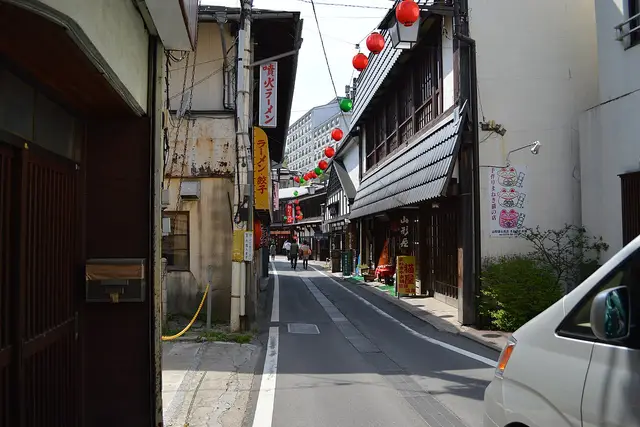
A town where white and brick storehouses are still in use. Its ramen has flat, wavy noodles, and some locals eat it for breakfast.
PlacesKanto · Mashiko and Moka
A sloping street of pottery shops and galleries. The town-wide pottery fair is held in Golden Week and around 3 November.
PlacesKanto · Koga and Yuki
A center for Yuki-tsumugi, the UNESCO-listed hand-woven silk, with a museum, a shop and weaving sessions by reservation.
PlacesKanto · Takasaki, Tomioka and Kusatsu
A hot spring town built along 365 stone steps lined with inns, souvenir shops and shooting galleries. Ikaho Shrine stands at the top.
PlacesKanto · Kusatsu Onsen
The sloping street from Yubatake to Sainokawara Park, lined with shops selling onsen manju buns and pickles.
PlacesKanto · Kiryu and Midori
A town laid out in 1591 that grew rich on silk. Merchant houses, storehouses and sawtooth-roofed weaving mills line Honcho street.
PlacesKanto · Kawagoe and Chichibu
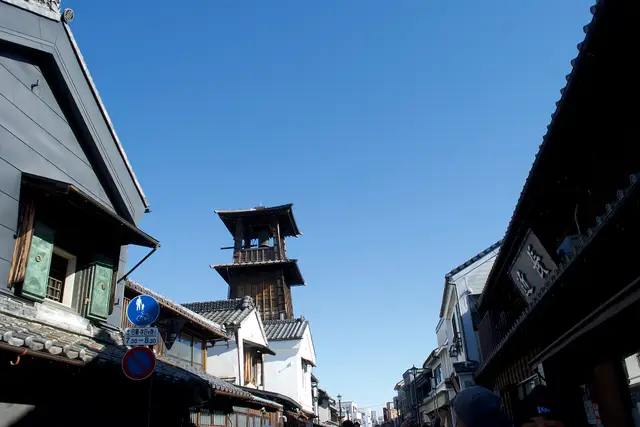
A street of black-plastered, fireproof warehouse-style shops built after the great fire of 1893. A nationally protected historic district.
A cobbled lane where some 70 sweet makers once clustered in the early Showa era. Shops still sell old-fashioned candy and snacks.
PlacesKanto · Omiya and Urawa
Founded by Tokyo bonsai growers who moved here after the 1923 earthquake. Bonsai nurseries still line the lanes, and some let visitors in.
PlacesKanto · Narita and Sawara
An 800 m temple approach from the station to Shinshoji, lined with over 150 shops and restaurants. Eel (unagi) is the local dish.
The "Little Edo" of northern Chiba, a town that grew rich on river trade. Old merchant houses and storehouses line the Ono River.
PlacesKanto · Kashiwa and Nagareyama
A river-port town that grew rich on mirin. Old storehouses and merchant homes along the street now hold shops and cafes.
PlacesKanto · Choshi and Kujukuri
A seafood market hall by Choshi's fishing port, with stalls of fresh and dried fish and canteens serving the local catch.
PlacesKanto · Kamogawa, Katsuura and Isumi
A morning market said to date from the Edo period, with stalls of dried fish, vegetables and flowers along the street. Closed Wednesdays.
PlacesKanto · Tokyo
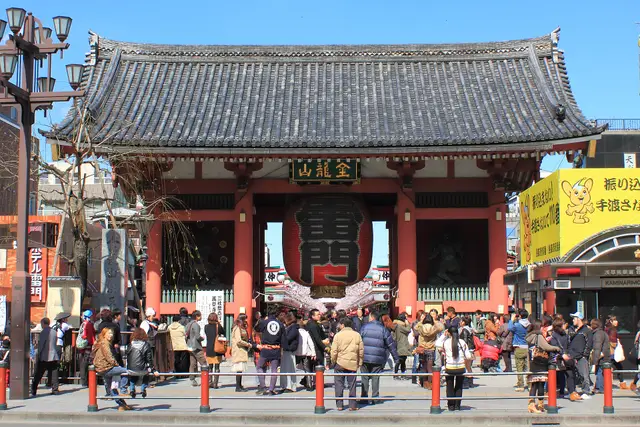
Said to be Tokyo's oldest temple. From Kaminarimon Gate with its giant lantern, the Nakamise shopping lane leads to the main hall.
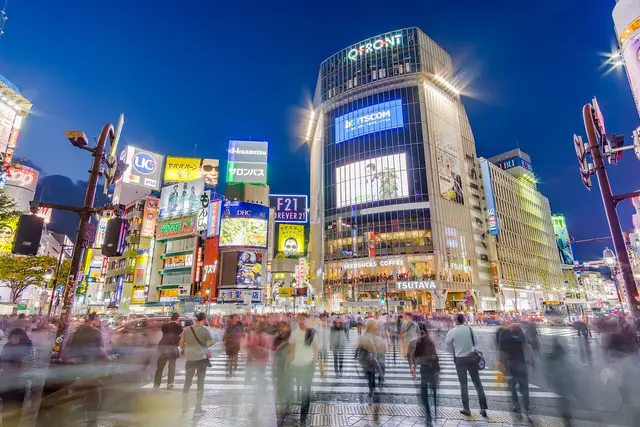
A crossing where crowds pour across from every side each time the lights change. The statue of the dog Hachiko stands by the station.
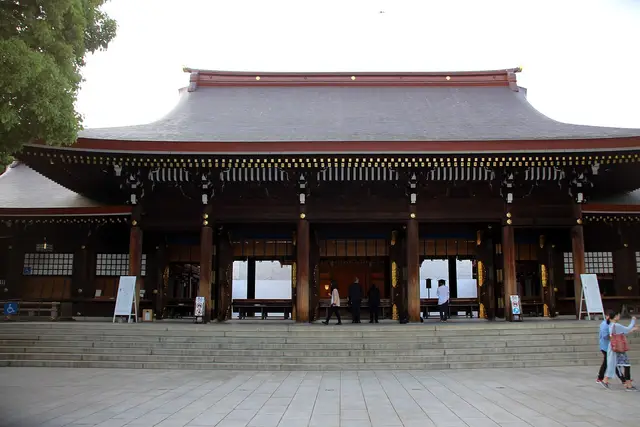
A shrine deep in a forest. The entrance is right beside Harajuku Station, close to Takeshita Street and its youth fashion shops.
A broadcasting tower 634 meters tall. Two observation decks look across the Kanto Plain, and a large shopping complex sits at its base.
A market district crammed with sushi, seafood-bowl and rolled-omelet shops. Most open early in the morning and close in the early afternoon.
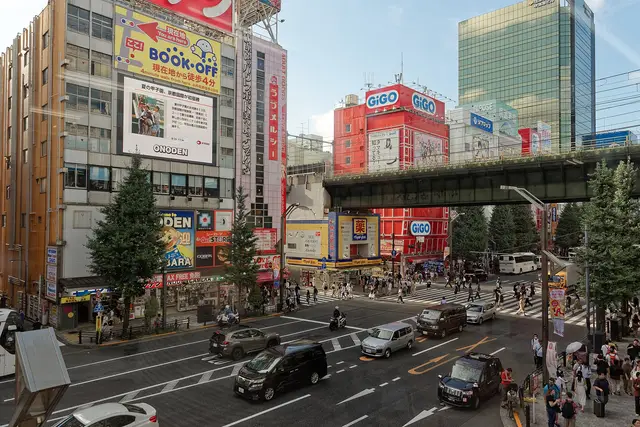
A district of electronics stores and anime, game and figure shops. It starts right outside the Electric Town exit of the station.
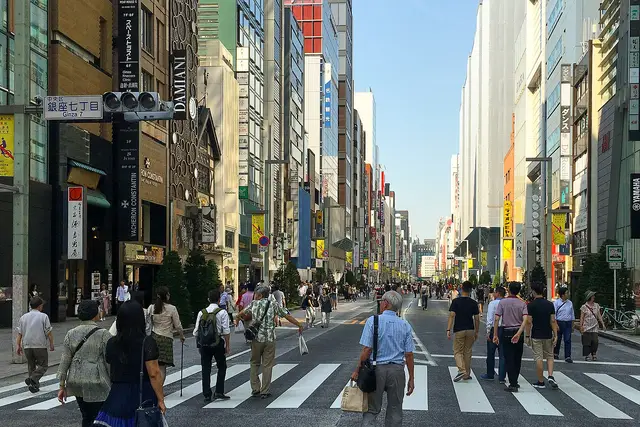
Tokyo's classic shopping district of long-established department stores, specialty shops and luxury brands. The Kabukiza theater is here.
A waterfront district on reclaimed land, with a seaside park facing the Rainbow Bridge and big shopping malls. Lovely at night.
PlacesKanto · Shinjuku
A department store in an early-Showa building. The basement food hall is packed with Japanese sweets, bento and deli dishes.
PlacesKanto · Shibuya
A tower linked to the station. On the 8th floor, a small gallery features crafts and food from all 47 prefectures.
PlacesKanto · Ebisu, Daikanyama and Naka-Meguro
Built on an old brewery site. The YEBISU BREWERY TOKYO here brews beer on site, with tastings.
A leafy area of low-rise buildings and stylish shops. Browse books and magazines at the big Tsutaya bookstore.
PlacesKanto · Nakano and Koenji
A covered shopping street running from the station's North Exit to Nakano Broadway, fine on rainy days.
A covered arcade from the South Exit and the street beyond it, packed with vintage clothing shops.
PlacesKanto · Akihabara, Kanda and Jimbocho
A book town of secondhand shops along Yasukuni-dori, many specializing in art books, old maps or Japanese woodblock-printed books.
PlacesChubu & Hokuriku · Kiyosato, Kobuchizawa and the southern foot of Yatsugatake
Shops, restaurants and gardens near Kiyosato Station, with carefully kept flower gardens and a music-box museum.
PlacesChubu & Hokuriku · Toyama, Tateyama and Takaoka
A port town of the Kitamaebune trade. Old merchant houses and storehouses hold sake shops and eateries. Mori House is closed for repairs.
PlacesChubu & Hokuriku · Himi
A shopping street in manga artist Fujiko Fujio A's hometown, lined with statues of Ninja Hattori-kun and friends and a mechanical clock.
PlacesChubu & Hokuriku · Kanazawa
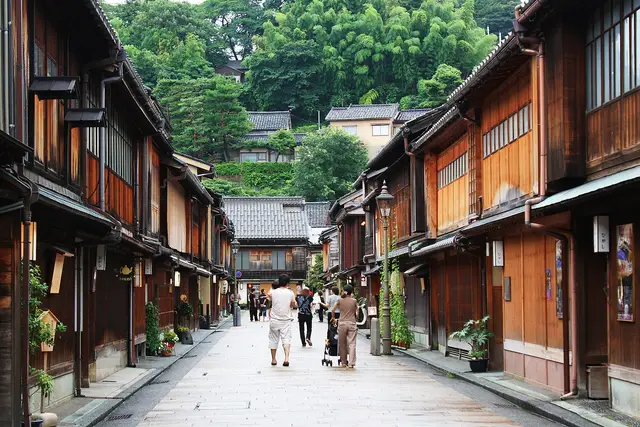
A stone-paved street of old teahouses with wooden lattices, now with gold-leaf shops and cafes. Quiet early and late in the day.
A covered market of fish, crab and local vegetables. The seafood rice-bowl restaurants have queues around lunchtime.
PlacesChubu & Hokuriku · Nanao and Wakura Onsen
A 600-year-old shopping street of merchant houses, where long-running soy sauce and candle shops trade on as the town rebuilds.
A roadside market on Nanao Port with Noto seafood, dried fish and souvenirs, plus restaurants serving the local catch.
PlacesKansai · Hikone and East Lake Biwa
A street of white walls and black lattices in old town-house style, lined with sweet shops and local goods; good after the castle.
Nagahama's old streets, filled with glass shops and studios. You can try making glass yourself.
PlacesKansai · Koka and Shigaraki
Sloping lanes lined with potteries and ware shops, tanuki figures at every turn, and old climbing kilns along the way.
PlacesKansai · Kyoto
A narrow covered street of shops selling fish, pickles, rolled omelet and more. Eat at the shop front, not while walking.
PlacesKansai · Maizuru
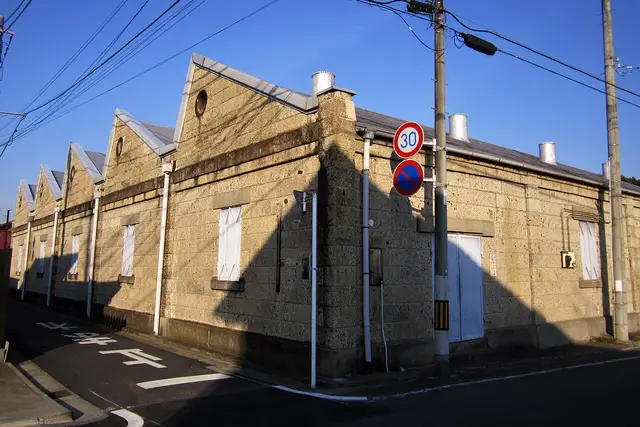
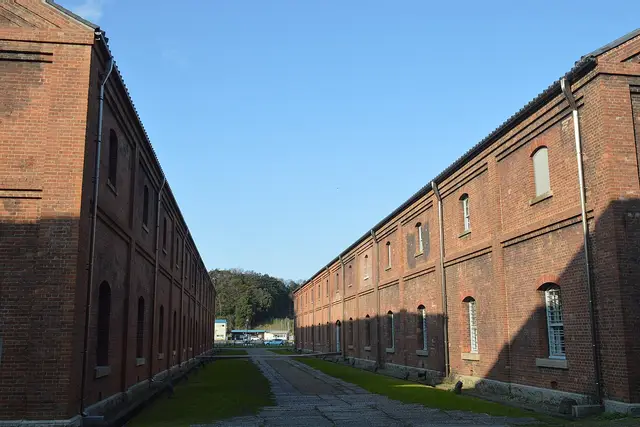
Former navy warehouses of red brick, now holding exhibitions, event halls and shops.
PlacesKansai · Nara
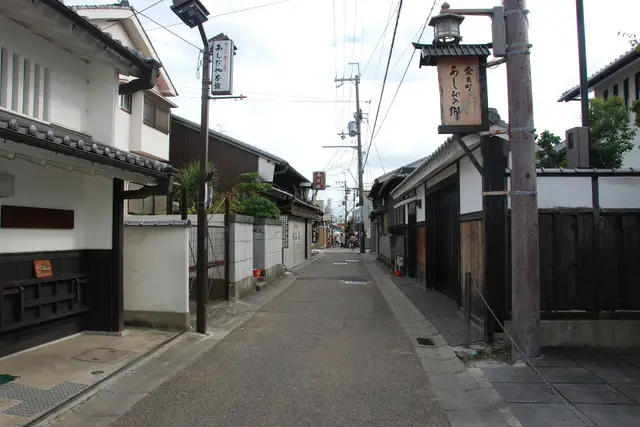
A quarter of narrow lanes and latticed townhouses around Gango-ji, a World Heritage temple. Many houses are now shops and cafes.
PlacesKansai · Asuka, Kashihara and Imaicho
A merchant town that grew around a temple. Many Edo-period townhouses survive, and some are open to visitors.
PlacesKansai · Uda, Muro and Hase-dera
A castle town turned merchant town, with rows of old houses. A former medicine wholesaler's home is open as the Kusuri no Yakata museum.
PlacesKansai · Yokkaichi, Kuwana and Yunoyama
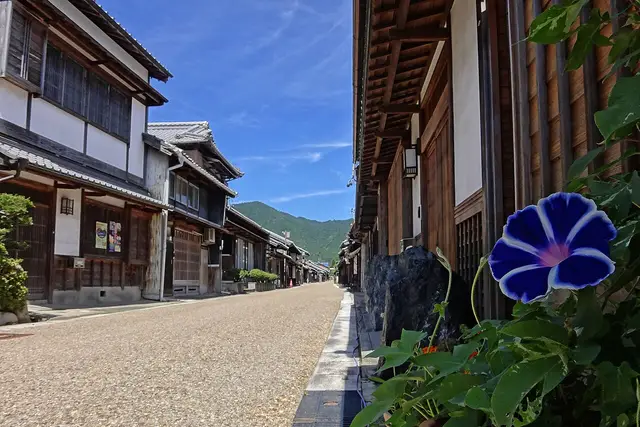
A Tokaido post town where Edo- to Meiji-era townhouses line about 1.8 km of the old highway, a national preservation district.
PlacesKansai · Ise and Toba
An 800 m stone-paved street along the Isuzu River from Uji Bridge. Midway is Okage Yokocho, a block of relocated old buildings.
PlacesKansai · Osaka
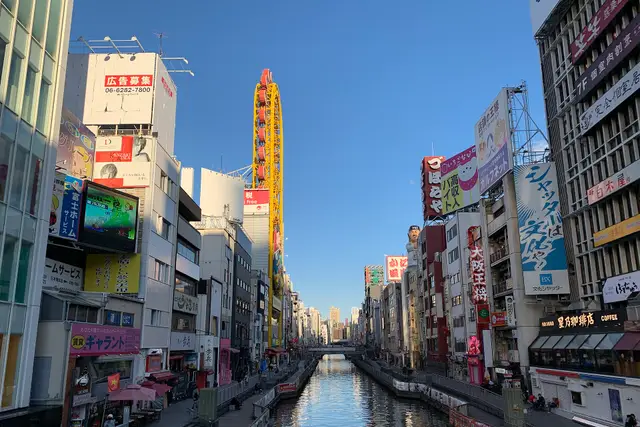
A canal-side entertainment street of giant signs and neon, packed with takoyaki, okonomiyaki and kushikatsu shops. Liveliest at night.
A 300 m skyscraper. The top three floors are an observatory, with views to distant hills and sea on clear days. Department store below.
PlacesChugoku · Okayama and Kurashiki
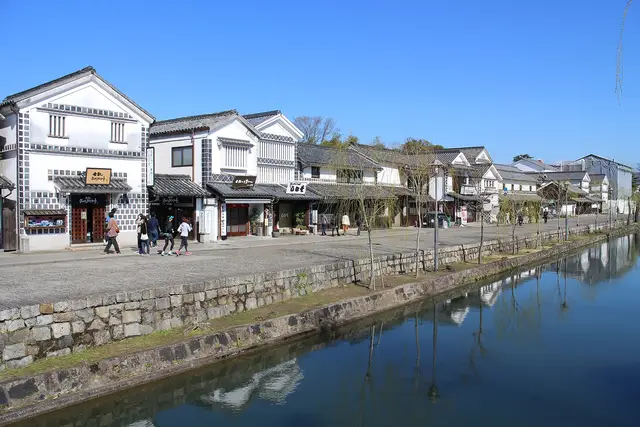
White-walled storehouses and old townhouses along a willow-lined canal. You can also ride a small boat.
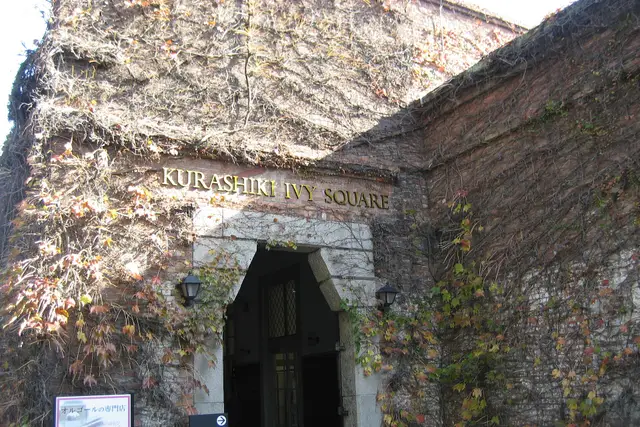
A red-brick Meiji-era cotton mill, now a hotel and shops, with ivy-covered walls and a courtyard.
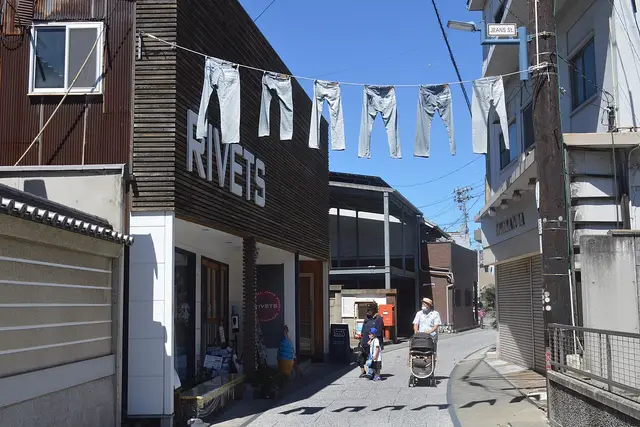
A shopping street in Kojima, a denim-making town, lined with the shops of local jeans makers.
PlacesChugoku · Kibiji and Soja
A post town on the old Sanyo highway. Both inns where lords stayed survive, on a street of white walls and latticed fronts.
PlacesChugoku · Takahashi and Fukiya
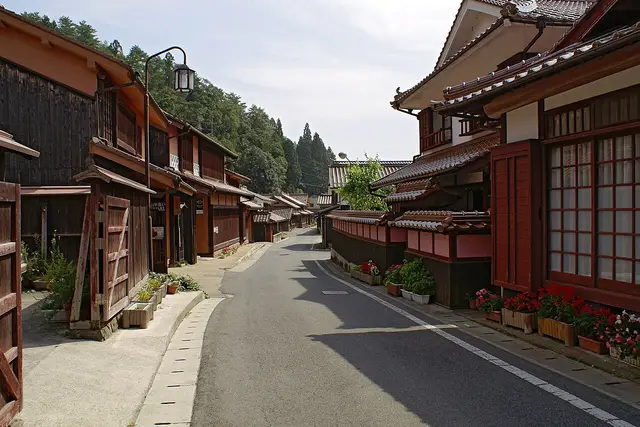
A mountain town that grew rich on copper and red bengara pigment. Its street is lined with red-tiled, rust-colored houses.
PlacesChugoku · Tsuyama and Yunogo
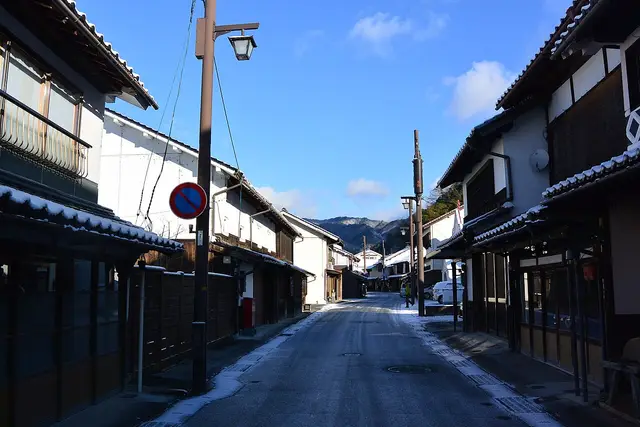
Old merchant houses with lattice fronts and tiled walls line the former Izumo Highway. Some homes are open to visitors.
PlacesChugoku · Hiruzen, Yubara and Katsuyama
A street of white-walled merchant houses and a sake brewery, each doorway hung with its own hand-dyed noren curtain.
PlacesChugoku · Tottori
A fish market at Tottori Port with seafood eateries, dried-fish shops and local tofu chikuwa. About 5 minutes by car from the airport.
Storehouses with white walls and red roof tiles line the Tamagawa canal. A protected historic district with shops set up in old storehouses.
PlacesChugoku · Sakaiminato
A row of fishmongers next to the fish market, selling the day's catch and crab, with seafood eateries alongside.
PlacesChugoku · Matsue and Izumo
The hometown of the creator of GeGeGe no Kitaro. Bronze yokai statues line the street leading to his memorial museum.
PlacesChugoku · Iwami Ginzan and Oda
Red-tiled houses line the road from the old magistrate's office toward the mines, some now shops and cafes.
PlacesKyushu · Shimonoseki and the Kanmon Straits
The harbor district across the water in Kitakyushu, with red-brick buildings like the old Moji Customs House from its trading-port days.
PlacesShikoku · Takamatsu
A network of long covered shopping streets. The glass dome at Marugamemachi is the landmark. There are many udon shops.
PlacesShikoku · Sanuki and Higashikagawa
A port town street of soy sauce and sake merchants, centered on the restored Izutsu merchant house and a red-walled soy brewery.
PlacesShikoku · Tokushima and Naruto
See the Awa Odori dance year-round: a resident troupe by day, famous groups at night, and a chance to join in. Also a museum.
PlacesShikoku · Matsuyama and Dogo Onsen
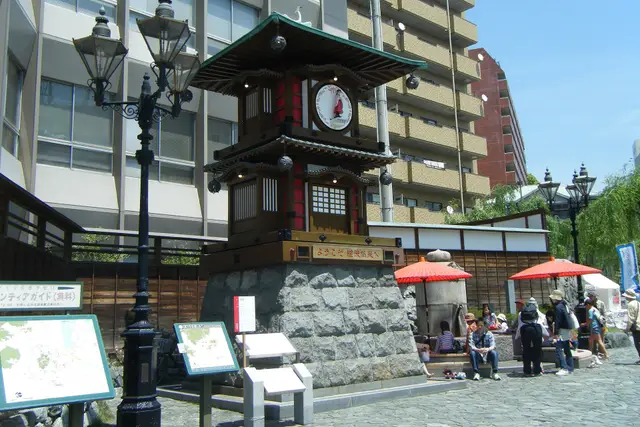
A covered shopping street running from the mechanical clock and foot bath by the station to the Honkan. Good for souvenirs and snacks.
Two covered shopping streets joined in an L shape in the center of Matsuyama, with restaurants serving local dishes such as tai-meshi.
PlacesShikoku · Yawatahama, Unomachi and Cape Sadamisaki
A port-side roadside station with a market for fish landed at Yawatahama, a store of oranges and produce, and places to eat.
PlacesShikoku · Kochi
A street market with over 300 years of history. On Sundays, about 300 stalls, mostly local farmers, line the avenue in front of the castle.
PlacesShikoku · Oku-Shimanto (Susaki, Kure and Yusuhara)
A fishing-town market dating from the Meiji era, renamed after a fire in the Taisho era. Buy local fish, dried fish and vegetables.
PlacesKyushu · Fukuoka and Hakata
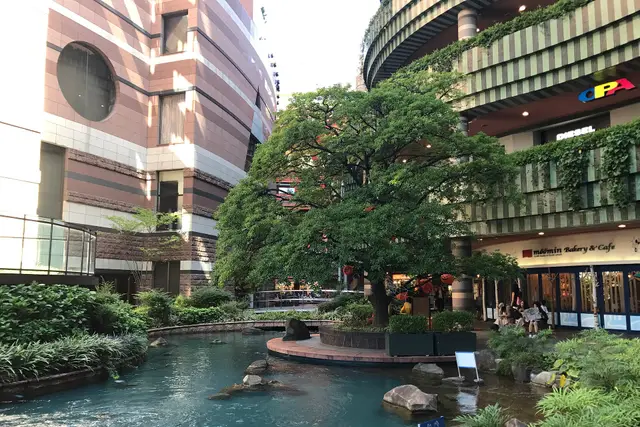
A shopping and entertainment complex built around a canal, with shops, cinemas, a theater and hotels. There are fountain shows.
Fukuoka's main shopping district. A long underground mall with a cobblestone look runs north to south, handy on rainy days.
PlacesKyushu · Kitakyushu (Kokura & Mojiko)
Known as Kitakyushu's kitchen, with fish and deli stalls. Try nukadaki, fish simmered with rice-bran paste, a local specialty.
PlacesKyushu · Dazaifu
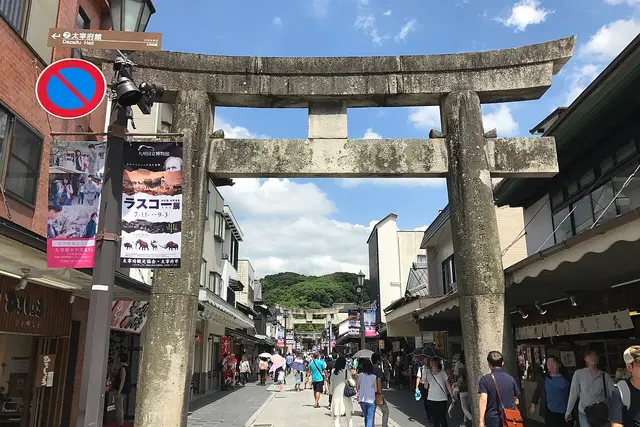
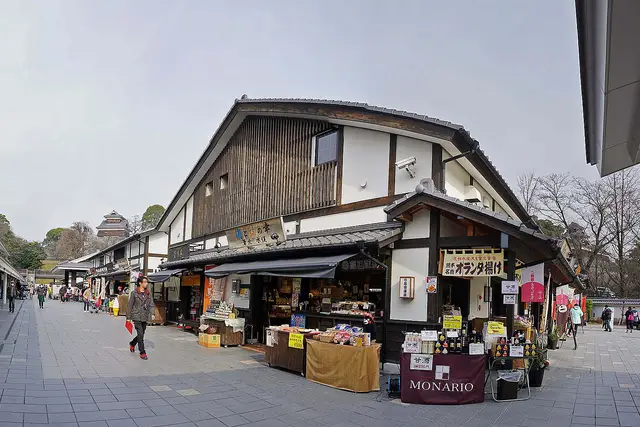
The street from the station to the shrine, lined with shops grilling umegae-mochi, the local rice cake, and selling souvenirs.
PlacesKyushu · Kurume, Yame & Ukiha
A town of white plastered merchant houses along water channels. Inside Igura no Yakata, a wealthy merchant's home, is open to visitors.
The old town of Yame, a tea-growing area, with white-walled townhouses, Yame tea shops and a hall of local crafts such as lanterns.
PlacesKyushu · Saga, Takeo and Arita
The heart of the Arita porcelain town. Its old streets lined with pottery shops form a protected historic district.
PlacesKyushu · Nagasaki
A Chinatown lined with restaurants serving champon and sara-udon noodles. It is a venue for the Nagasaki Lantern Festival in winter.
PlacesKyushu · Kumamoto and Aso
A cluster of restaurants and souvenir shops at the foot of Kumamoto Castle, with a hands-on museum about the castle's history.
Wide covered shopping streets running north and south of the tram street at Torichosuji, with places for horse sashimi and Kumamoto ramen.
The home base of Kumamon, Kumamoto Prefecture's bear mascot. There is a goods shop, and Kumamon appears in person on some days.
PlacesOkinawa · Naha
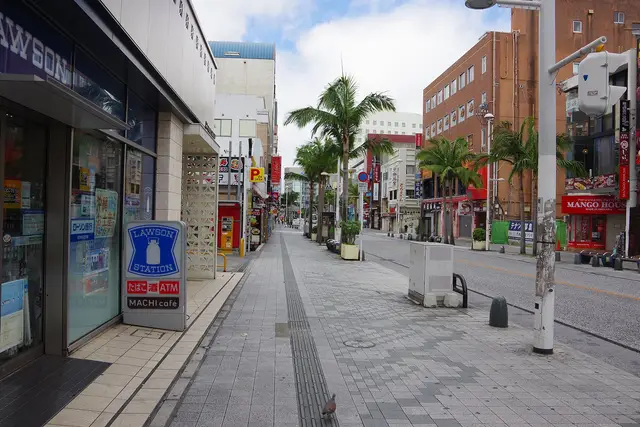
Naha's main street, running about 1.6 km from Kencho-mae to Makishi and lined with souvenir shops and Okinawan restaurants.
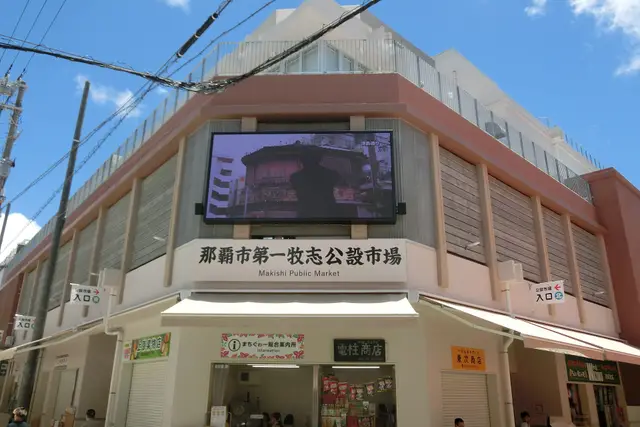
"Naha's kitchen", with colorful fish, pork and pickles. Fish bought downstairs can be cooked for you at the eateries upstairs.
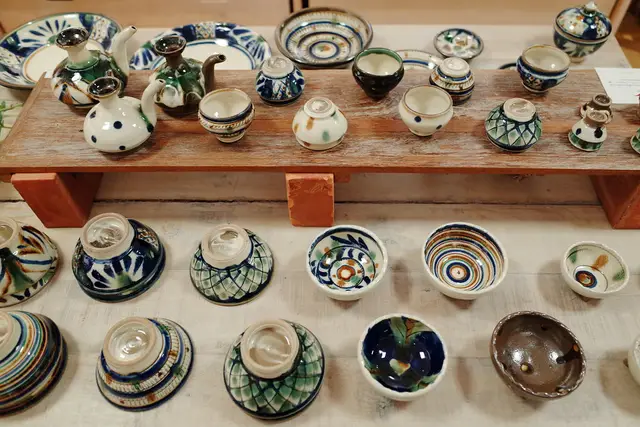
A stone-paved street of kilns and shops selling yachimun, Okinawan pottery. You can buy tableware and shisa lion-dog figures.
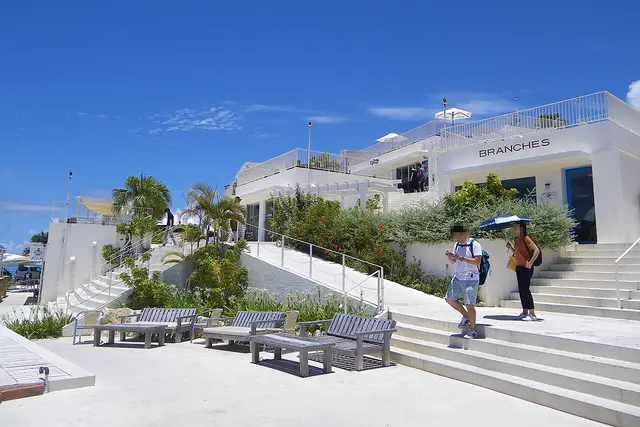
White terraces of shops and restaurants on a small island south of the airport, with views of the sunset and of planes coming and going.
PlacesOkinawa · Onna and Yomitan
Yomitan's village of pottery studios, with a large climbing kiln and workshop shops where you can choose tableware.
Shikoku's first winery, on a hilltop on the Ogushi Peninsula. Choose wines from local grapes with views over the Inland Sea.
PlacesShikoku · Naruto
A roadside station full of Naruto's farm and sea produce, from Naruto Kintoki sweet potatoes to wakame and fish. You can eat here too.
PlacesShikoku · Wakimachi, Mima and Tsurugi
A roadside station at the udatsu streets, with a park recreating an old river landing and indigo storehouse. Tourist info is nearby.
Tsurugi's roadside station. Try the local Handa somen noodles in the restaurant or take some home.
A crafts center in the Tenbusu Naha building on Kokusai-dori, with hands-on classes in bingata dyeing, Ryukyu glass, weaving and more.
A seaside district in Chatan of American-style shops, restaurants and a Ferris wheel, at its liveliest around sunset.
PlacesOkinawa · Chatan and Central Okinawa
A sea-salt factory on Miyagi Island that you can tour. Behind it, the Kafu Banta cliff looks down over a vivid blue sea.
PlacesOkinawa · Motobu and Churaumi
A theme park where carts carry you through pineapple fields and subtropical plants. Shops sell pineapple sweets and wine.
PlacesOkinawa · Miyakojima
The factory and shop for Yukishio, a powdery salt made from seawater drawn from under the island. Watch the process and try salt ice cream.
A small market by Asato Station that dates from just after the war. At night the bars in its narrow alleys fill up.
A side street from Kokusai-dori toward Tsuboya, lined with vintage clothing, craft and pottery shops and quiet cafes.
For stations and addresses, use route searchPhoto and data credits