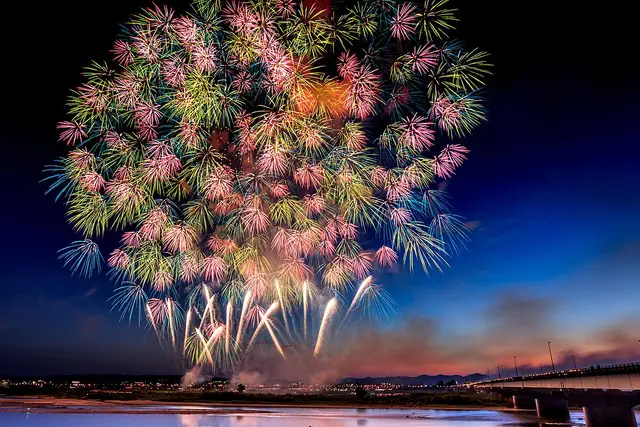
A castle town on the Shinano River, famed for its August fireworks. Memorial museums and the brewing quarter of Settaya are in town; Teradomari's fish market, Ojiya's koi and the metalworks of Tsubame-Sanjo lie beyond.
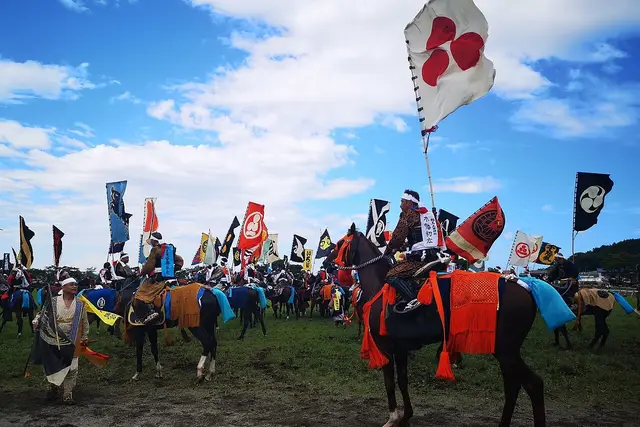
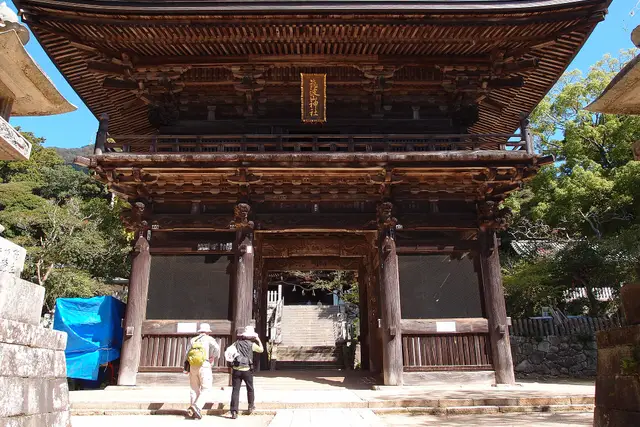
Home of the Soma Nomaoi, a mounted samurai festival said to date back over a thousand years, with three Myoken shrines and a festival ground. To the south, Namie, Futaba and Tomioka hold museums on the 2011 disaster.
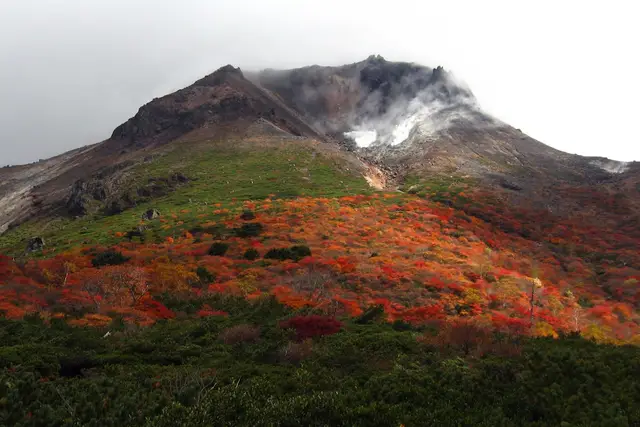
The Nasu highlands, dotted with hot springs, farms and museums below Mt. Chausu, and the Shiobara spa villages along a river gorge. Buses and cars fan out from Nasushiobara Station on the Tohoku Shinkansen.
About 45 minutes from Akihabara on the Tsukuba Express. Ride a cable car or ropeway up twin-peaked Mt. Tsukuba, and visit the space center and free science museums of this research city.
Omiya, where the northbound shinkansen lines meet, is home to the Railway Museum, the Bonsai Village and Hikawa Shrine with its long approach. Neighboring Urawa adds a rabbit shrine, art museums and a football town.
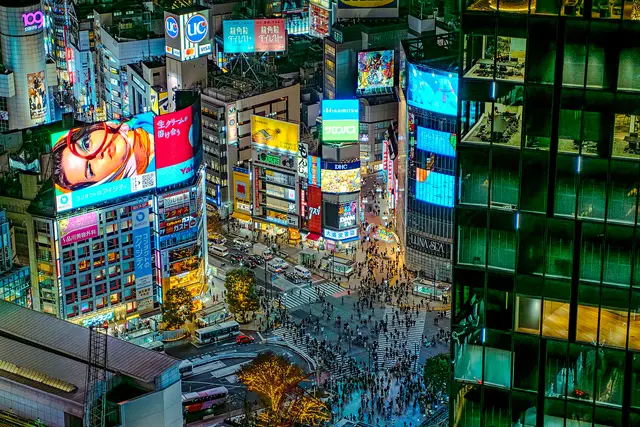
New towers and youth fashion crowd around the famous scramble crossing. A short walk away are the quiet streets of Okushibuya, the museums of Shoto and old drinking lanes.
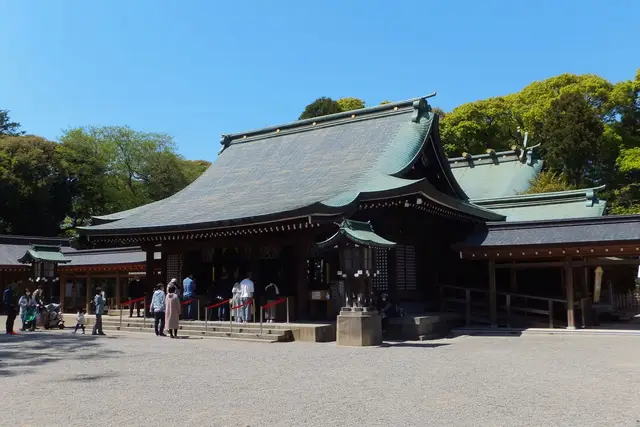
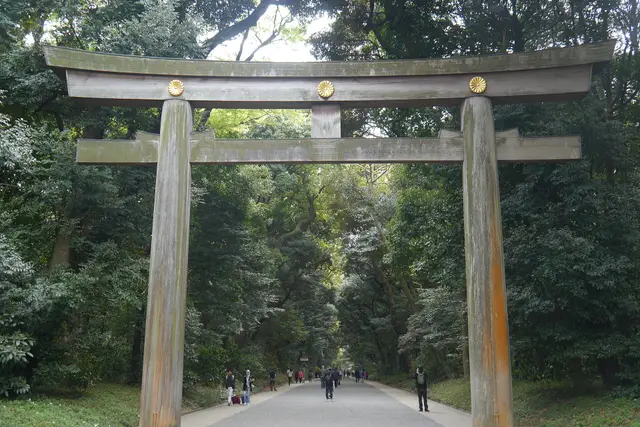
Next to the forest of Meiji Jingu lie youthful Harajuku and the zelkova-lined Omotesando. Aoyama's museums and the ginkgo avenue and ballpark of Jingu Gaien are within walking distance.
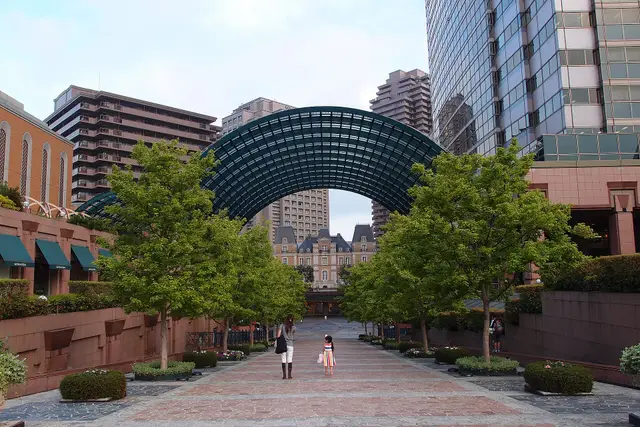
Relaxed, grown-up neighborhoods south of Shibuya: Ebisu's food alleys and museums, Daikanyama's shops, the cherry-lined Meguro River, and the garden museum and old temples around Meguro.
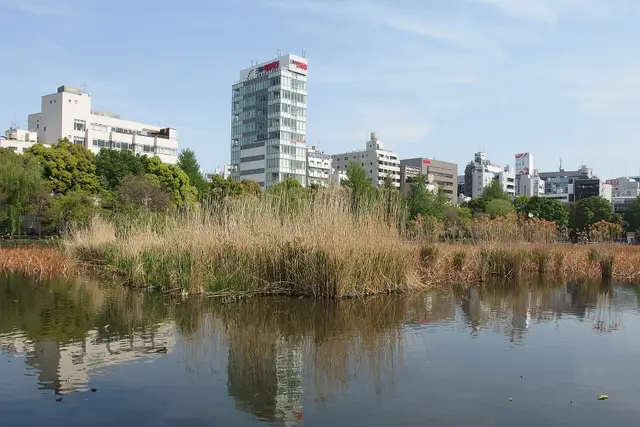
Ueno Park's museums and zoo, plus the market streets running from Ameyoko to Okachimachi. Yushima Tenjin, the Iwasaki mansion and a rakugo hall are all walkable, and Narita Airport is one train away.
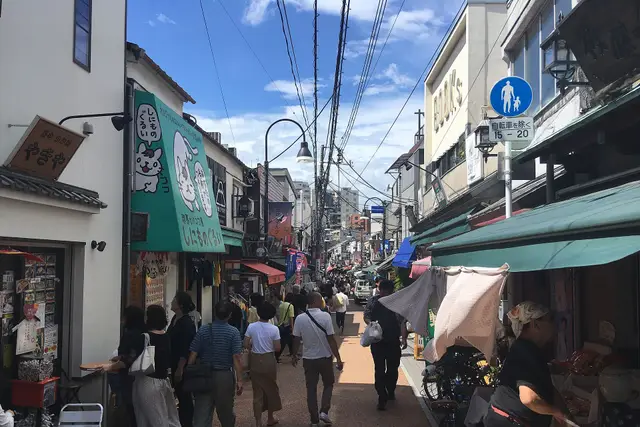
A neighborhood largely spared in the war, where temples, alleys and wooden houses survive. Wander slopes and lanes to old shopping streets and small museums; Nippori's fabric town lies east of the station.
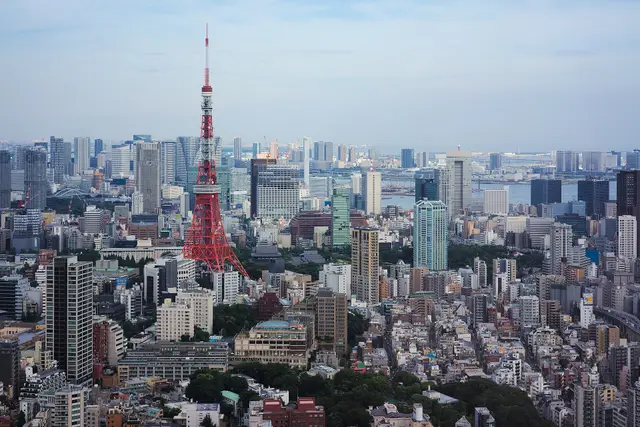
Roppongi's museums and towers, hilly Azabu, and Tokyo Tower beside Zojoji Temple. Tour art museums by day and city views at night. The Azabu-Juban shopping street is about 10 minutes away on foot.
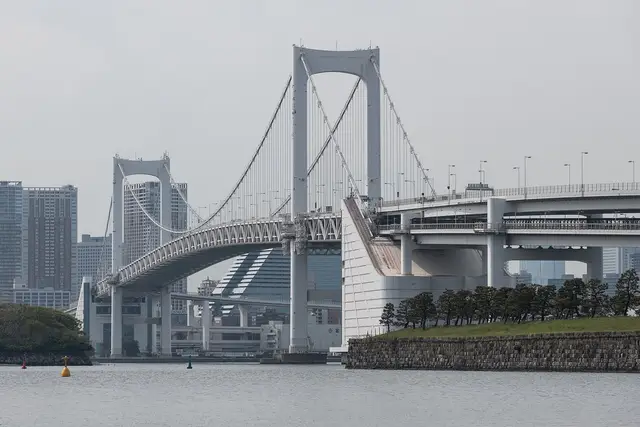
A waterfront district built on reclaimed land in Tokyo Bay. Rainbow Bridge views, a life-size Gundam, science museums, teamLab and Toyosu Market make a full family day out.
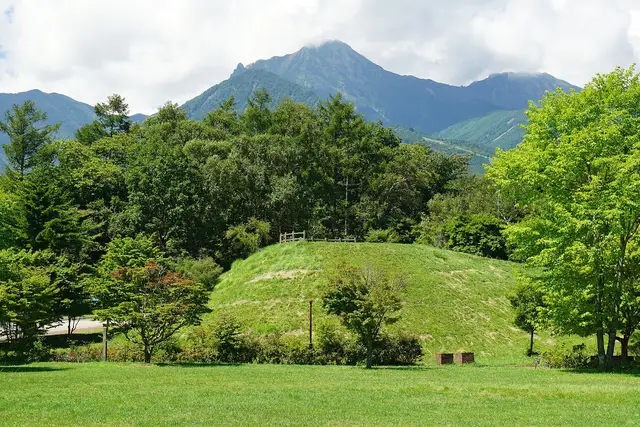
Highlands at the southern foot of the Yatsugatake range: Kiyosato's pastures and forests, the Hakushu whisky distillery, springs and art museums. Sights are widely spread, so getting around is mostly by car.
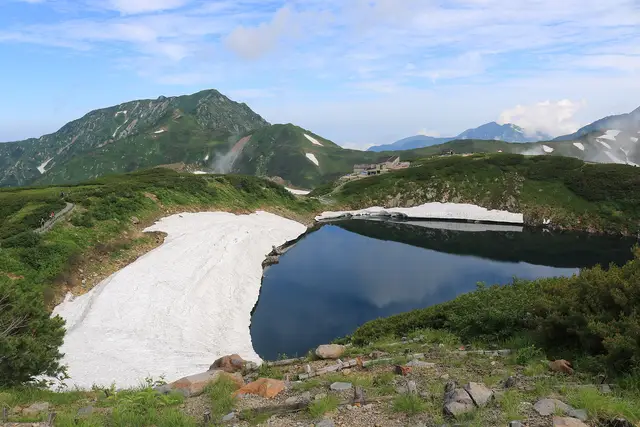
A bayside capital with the Tateyama peaks rising behind. A canal park and art museums lie north of the station, the castle and trams to the south; trains run on to the Alps, Kurobe Gorge and Takaoka.
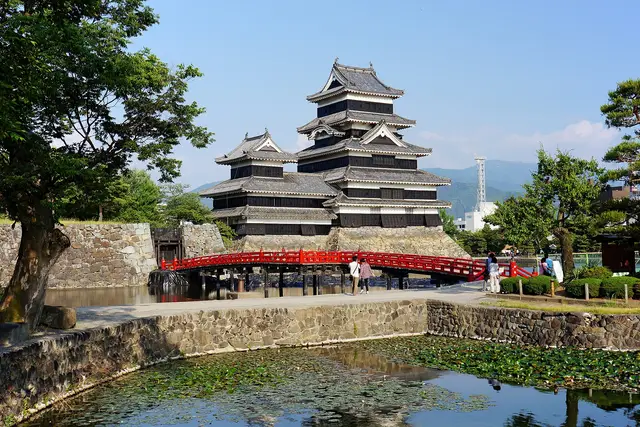
A castle town facing the Northern Alps. The National Treasure castle, streets of old storehouses, spring-water wells and museums are all walkable. Also the gateway to Kamikochi and Azumino.
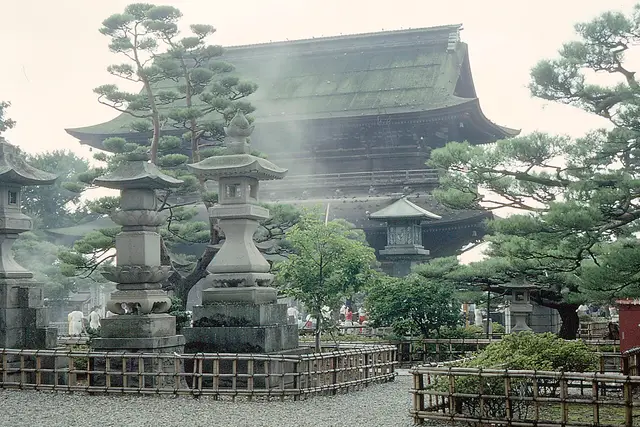
A city that grew up around the gates of Zenko-ji temple. Walk the approach and nearby museums, take a bus up to the cedar avenues of Togakushi, or a train to Obuse, the town Hokusai loved.
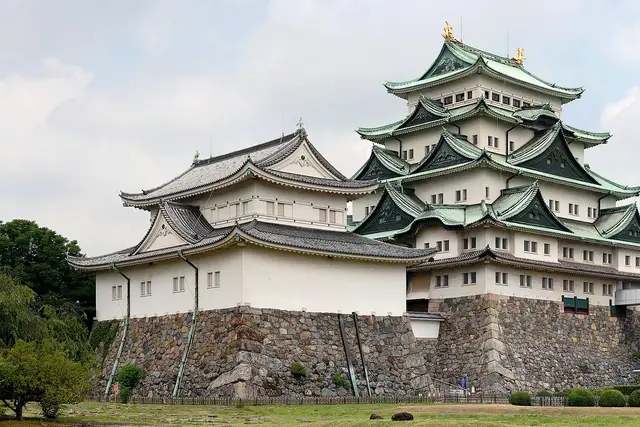
Nagoya Castle and Atsuta Shrine, the lively Osu and Sakae districts, and museums of industry. A big city that is easy to cover by subway, with its own dishes such as miso cutlet and grilled eel on rice.
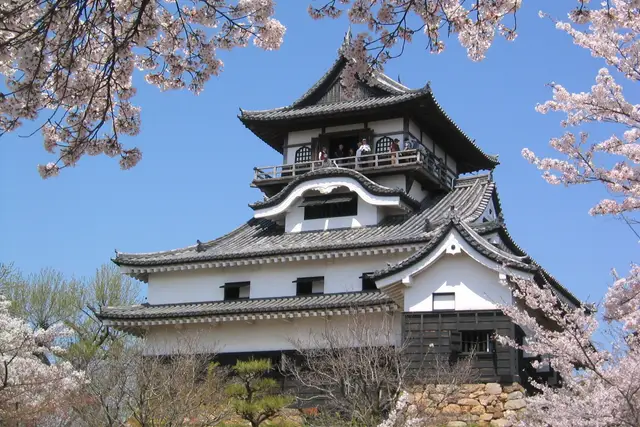
A castle town where a National Treasure keep stands above the Kiso River. Big open-air museums such as Meiji-mura and Little World, plus hillside temples and shrines. About 30 minutes from Nagoya by Meitetsu.
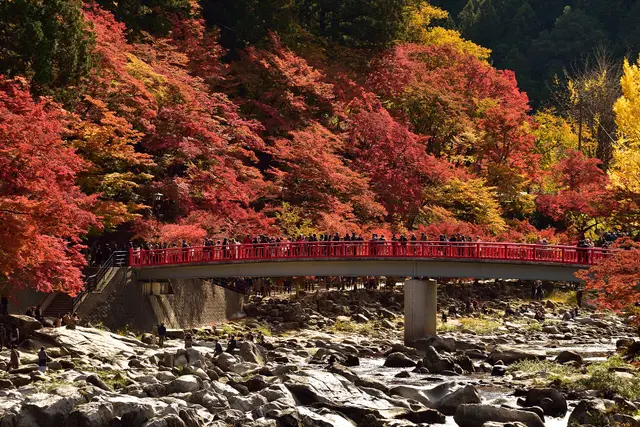
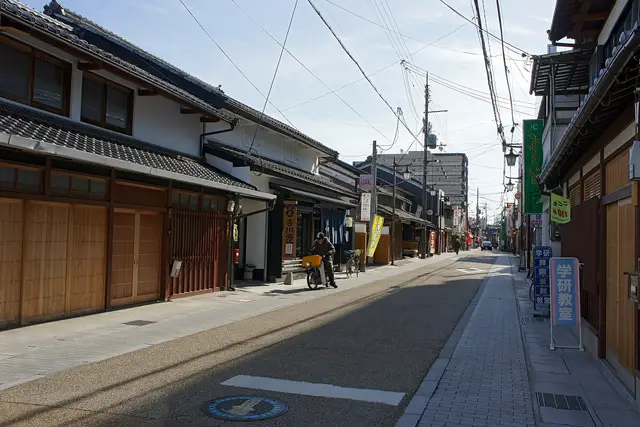
The car town that is home to Toyota, with motor museums and an art museum worth seeing for its building alone. In the hills, Asuke has Korankei gorge, famed for autumn leaves, and a street of old merchant houses.
Kusatsu grew where the Tokaido and Nakasendo highways split, and its post-town inn still stands. The Lake Biwa Museum sits on the lakeshore, and art museums and old shrines dot Moriyama and Yasu to the north.
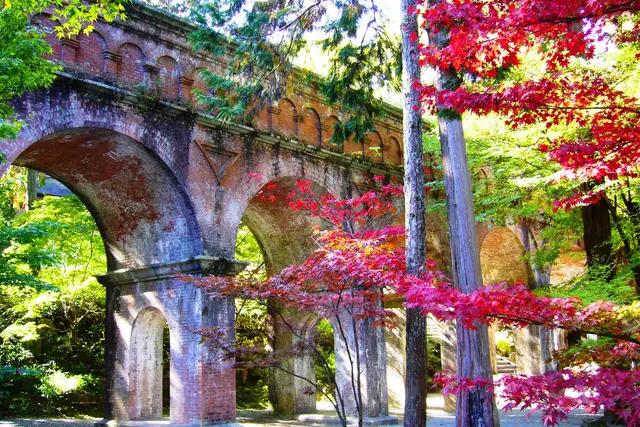
From Okazaki, home to Heian Shrine and the art museums, past Nanzen-ji and along the Philosopher's Path to Ginkaku-ji. Temples with fine gardens and the old canal line the foot of the eastern hills.
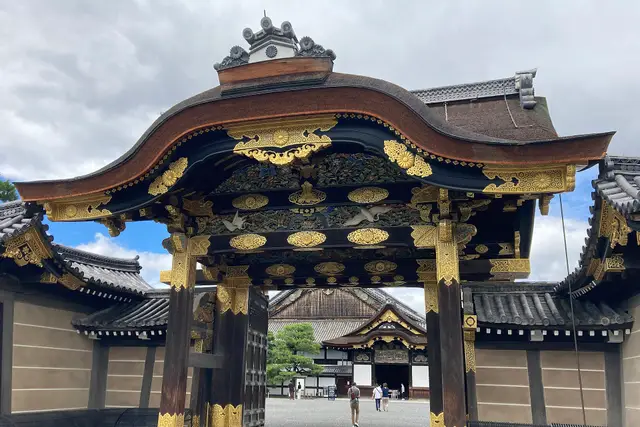
The center of Kyoto's grid. Between Nijo Castle, the shoguns' stronghold, and the old Imperial Palace lie old temples, museums and local shopping streets, all easy to reach by subway.
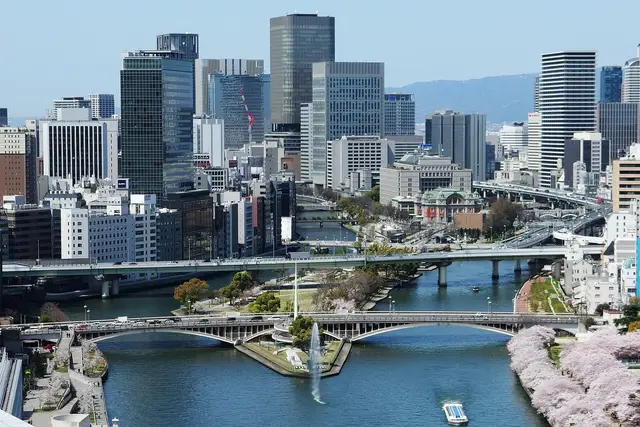
A long island between two rivers and the old merchant quarter of Semba. Museums and the red-brick public hall line the island, while old buildings and shrines survive in the pharmacy and finance streets.
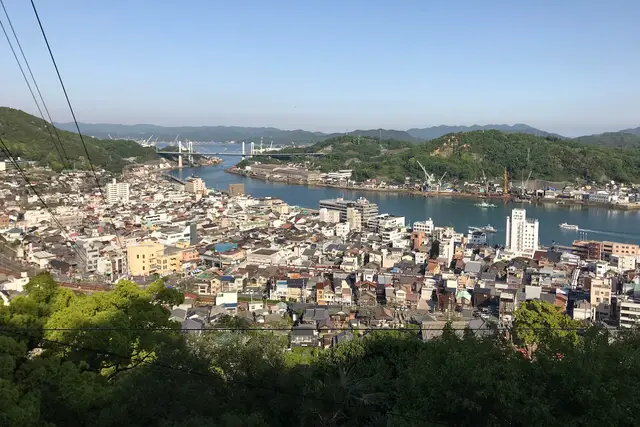
Onomichi is a port town of slopes, alleys and old temples. A short ferry crosses to Mukaishima, where the Shimanami Kaido island route leads on to Innoshima and Ikuchijima by bike, with temples and museums along the way.
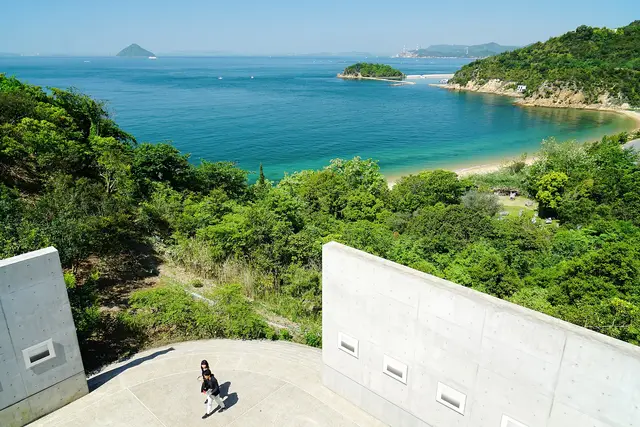
Naoshima's art museums, many designed by Tadao Ando, and Teshima's droplet-shaped museum above rice terraces. Artworks also fill old village houses, and the Setouchi Triennale is held here every three years.
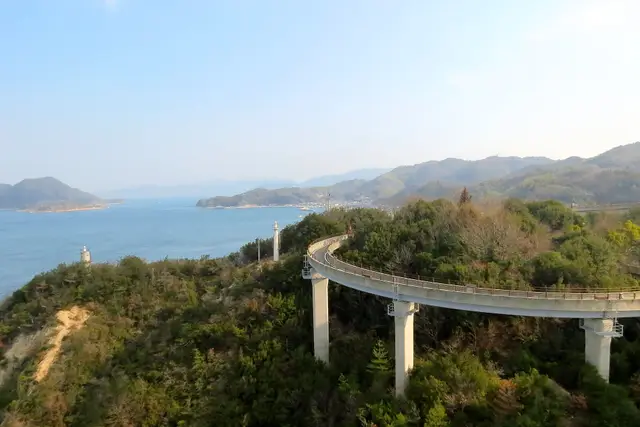
Imabari, a castle town whose moats are filled with seawater, is the Shikoku end of the Shimanami Kaido. On Oshima, Hakata and Omishima you find the history of the Murakami pirates, sea views and island art museums.
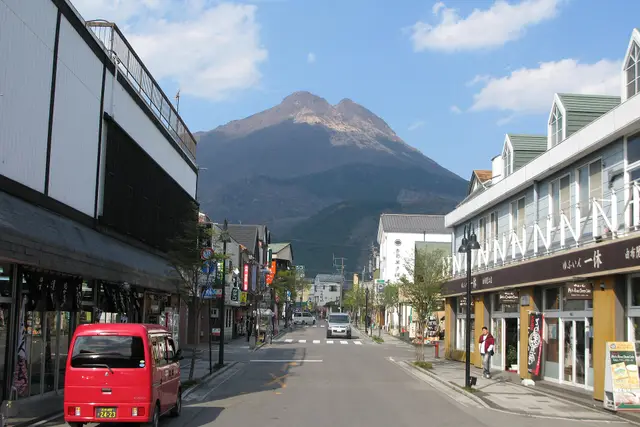
A hot-spring town in a basin below Mt. Yufu. Stroll Yunotsubo Street's shops, art museums and Lake Kinrin, or head out to the stone-paved Yunohira Onsen and the Tsukahara and Kijima highlands.