메뉴
경로를 검색한 뒤 '경로 저장'을 누르면 여기에서 바로 열 수 있습니다.
로그인하면 방문 기록과 랭크가 남고, 다른 기기에서도 볼 수 있습니다.
‘미술관·박물관’ 검색 결과: 726건
결과가 많아 위에서부터 126건을 보여 드립니다. 단어를 더해 좁혀 보세요(예: ‘교토 절’).
찾는 범위
장소홋카이도 · 삿포로
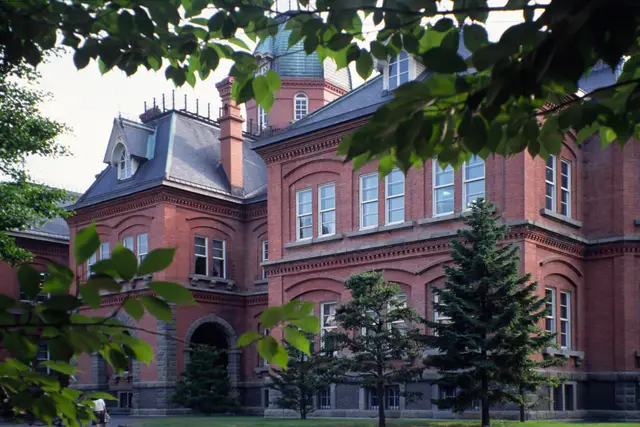
A red-brick government building from 1888. The front garden with its ponds and trees is a short, pleasant walk from the station.
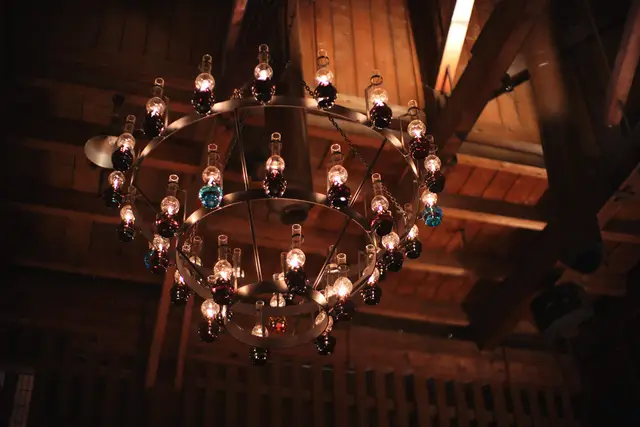
A glass shop in a stone warehouse from the 1890s, known for its cafe hall lit only by oil lamps.
장소홋카이도 · 오타루
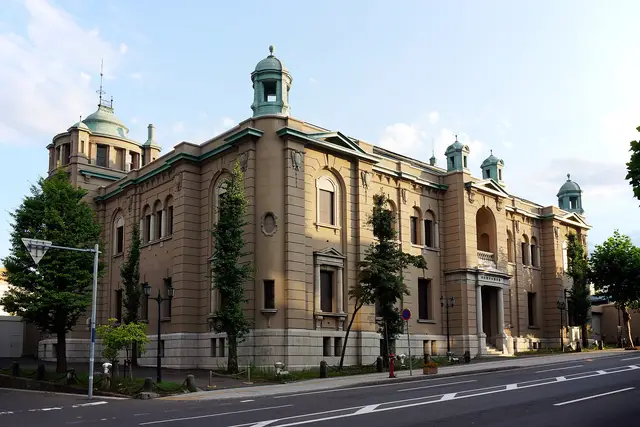
A bank building from 1912. Exhibits on money and Otaru's history fill the old banking hall with its high ceiling.
Art museums in old banks and warehouses. The stained-glass museum displays windows salvaged from English churches.
장소홋카이도 · 하코다테
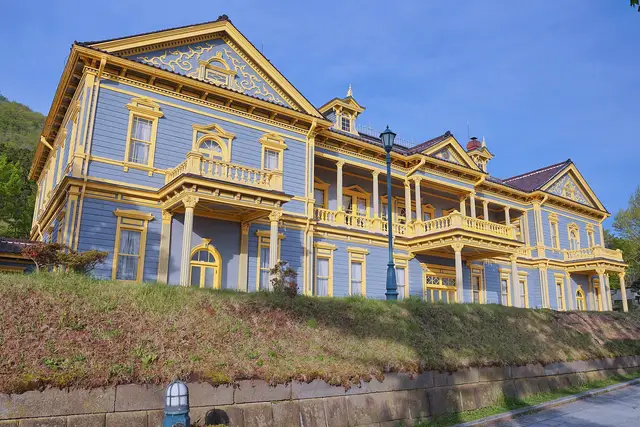
A blue and yellow Western-style hall from 1910. The balcony looks out over the harbor.
장소홋카이도 · 아사히카와・다이세쓰잔
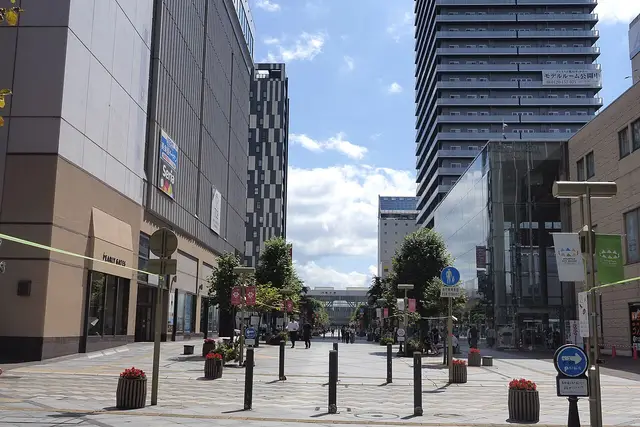
A car-free street running about 1 km north from the station. Opened in 1972 as Japan's first permanent pedestrian mall.
장소홋카이도 · 후라노・비에이
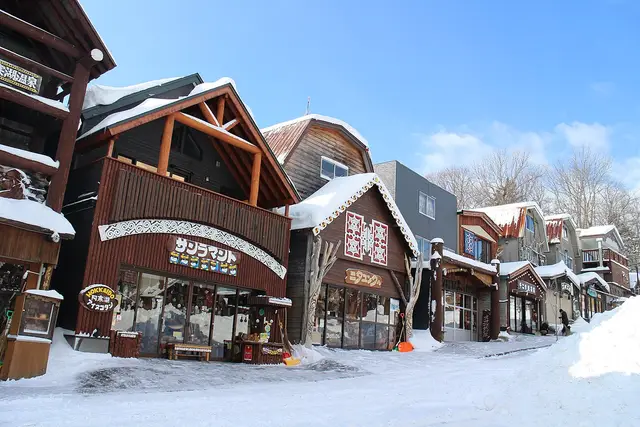
Log cabins selling handmade crafts line a boardwalk through the woods, softly lit after dark.
장소홋카이도 · 구시로・아칸・마슈
A street of Ainu craft shops. At the Ikor theater at the far end, you can watch traditional dance and other performances.
장소도호쿠 · 아오모리・히로사키
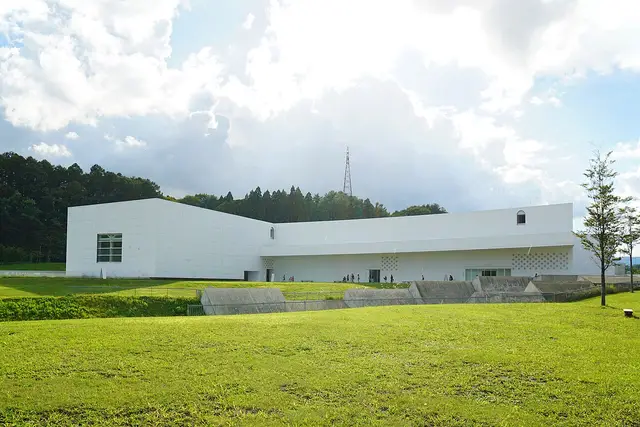
A white museum next to the Sannai-Maruyama Site, with the giant dog sculpture "Aomori-ken" and works by artists tied to Aomori.
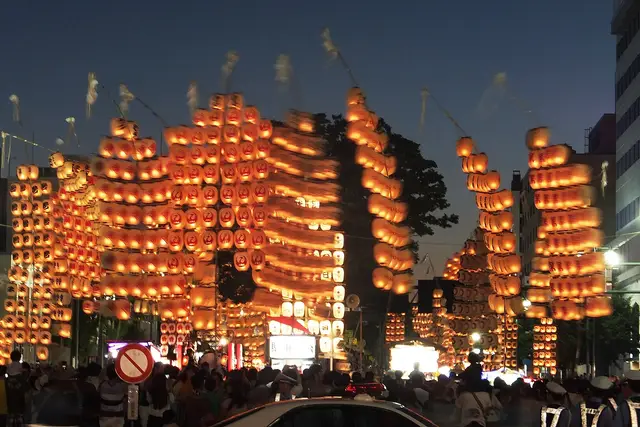
See giant lantern floats from the Aomori Nebuta Festival all year round. Right next to the station.
A contemporary art museum of white box-like galleries. More works stand along the avenue and in the plaza outside.
장소도호쿠 · 고쇼가와라・쓰가루 평야
Writer Dazai Osamu's family home, a grand late-Meiji mansion whose rooms mix Japanese and Western styles.
장소도호쿠 · 모리오카
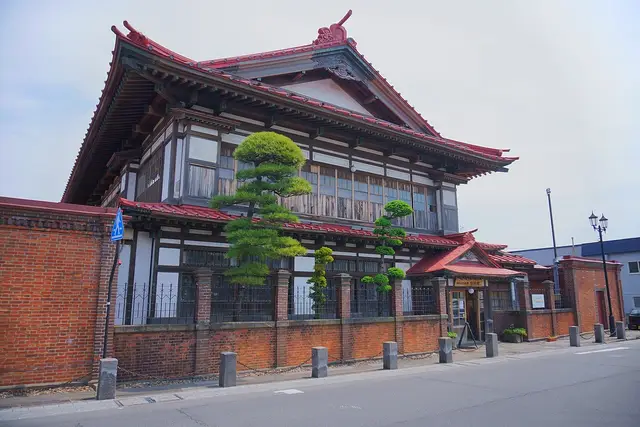
The former head office of Morioka Bank, by Tatsuno Kingo's firm. His only surviving building in Tohoku; an Important Cultural Property.
A museum for the writer Miyazawa Kenji on Mt. Koshio in Hanamaki. The Ihatov Hall next to it is free.
장소도호쿠 · 히라이즈미・이치노세키
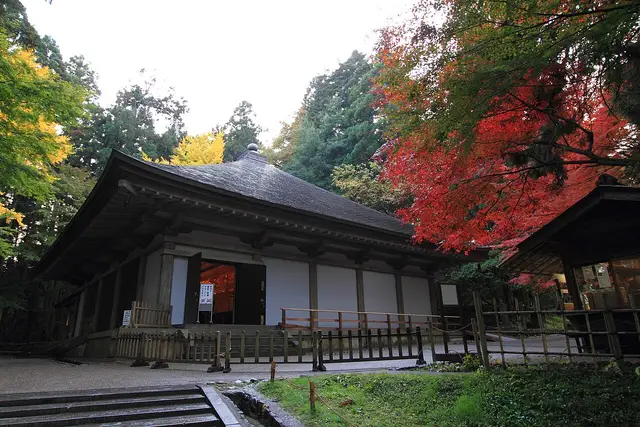
An old temple at the top of a cedar-lined slope, home to the gold-leaf Konjikido hall built by the Oshu Fujiwara lords.
장소도호쿠 · 하나마키・기타카미
A park built around Kenji's stories. The Kenji's School exhibit hall is paid; the woodland paths and lawns are free to wander.
장소도호쿠 · 가쿠노다테・다자와코
A large samurai estate with the main house, an armory and several exhibition halls showing swords, armor and old household goods.
A museum of works by Tsuguharu Foujita, including "Events of Akita", a huge mural of Akita life in 1937.
장소도호쿠 · 오다테・고사카・아니
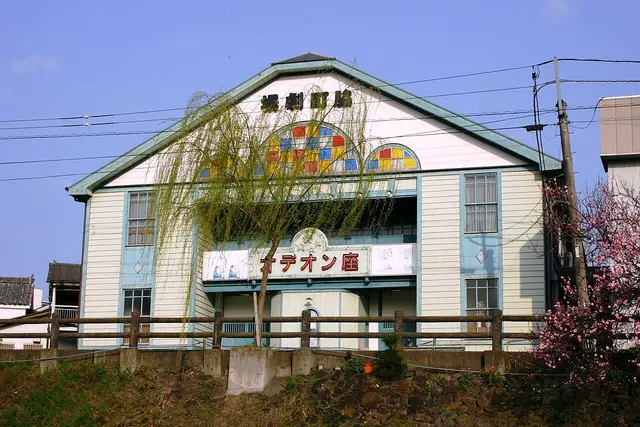
A Meiji-era playhouse built for the mine's workers, an Important Cultural Property that still stages performances.
The white Western-style wooden headquarters of the Meiji-era mine, an Important Cultural Property with exhibits on mining history.
장소도호쿠 · 오가 반도
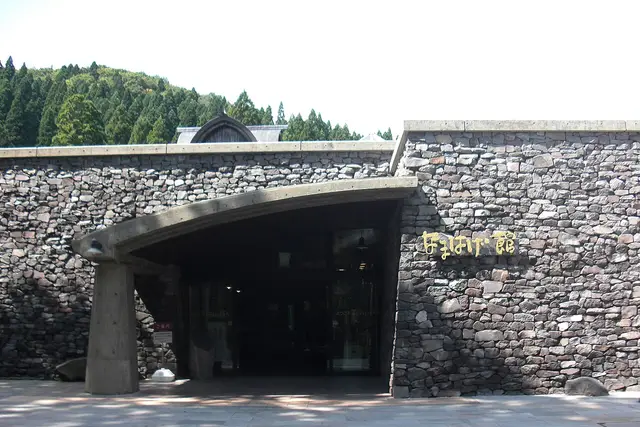
Rows of Namahage masks and costumes from across Oga. Next door, the folklore house reenacts the New Year's Eve visit.
장소도호쿠 · 요코테・마스다・유자와
A museum in the hometown of Takao Yaguchi, creator of Tsurikichi Sanpei, preserving and showing original art by many manga artists.
장소도호쿠 · 센다이
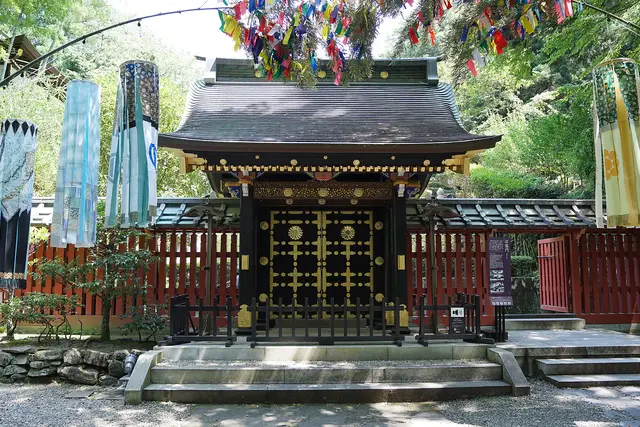
The mausoleum of Date Masamune. Stone steps through tall cedars lead up to a hall covered in brightly colored carvings.
A Zen temple in Matsushima rebuilt by Date Masamune. The main hall is a National Treasure, with paintings on gold sliding doors.
장소도호쿠 · 이시노마키・오나가와
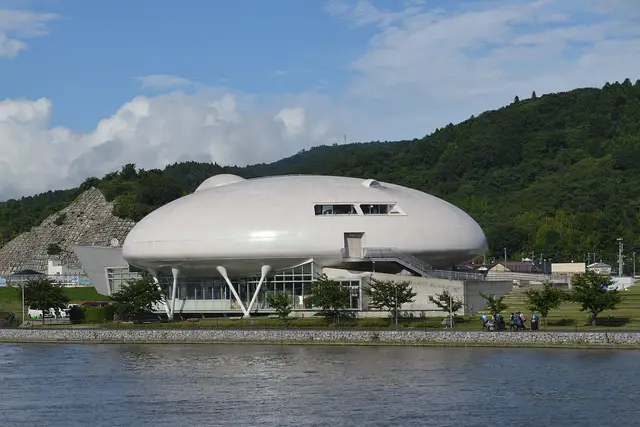
A museum for Shotaro Ishinomori, creator of Kamen Rider and Cyborg 009, on an island in the river, showing original art.
장소도호쿠 · 나루코 온천향
School of the Iwadeyama Date retainers, said to be among Japan's oldest surviving school buildings, with a fine stroll garden.
장소도호쿠 · 야마가타・자오
The brick former prefectural office and assembly hall, completed in 1916. An Important Cultural Property, free to enter.
A museum in Tendo, the town of shogi pieces. It covers shogi's history, chess-like games of the world and how the pieces are made.
A museum of treasures handed down in Yonezawa's Uesugi family, including a National Treasure screen (the original is shown only at times).
장소도호쿠 · 신조・모가미
See up close the huge floats paraded through town in the August Shinjo Festival, plus everyday tools from the past.
장소도호쿠 · 쓰루오카・데와산잔
On the old estate of the Sakai lords of Shonai, with relocated Meiji-era Western-style buildings, old farmhouses and the lords' garden.
장소도호쿠 · 사카타・유자
The Homma merchant family's villa and its Kakubu-en garden, with an art museum beside them, a short walk from the station.
A museum of the work of Sakata-born photographer Ken Domon. The building, set beside a pond, and its garden are sights too.
장소주부·호쿠리쿠 · 니가타・야히코
The estate of the Ito family, Echigo landowners. Its pond garden, seen from a 100-mat hall, glows in autumn; wisteria blooms in spring.
Introduces manga artists and anime creators with Niigata roots, with character play areas and a booth where you can try voice acting.
장소주부·호쿠리쿠 · 에치고유자와・미나미우오누마
The town museum of the setting of Kawabata's novel Snow Country, covering the book and the old way of life in deep snow.
장소주부·호쿠리쿠 · 도카마치・쓰난
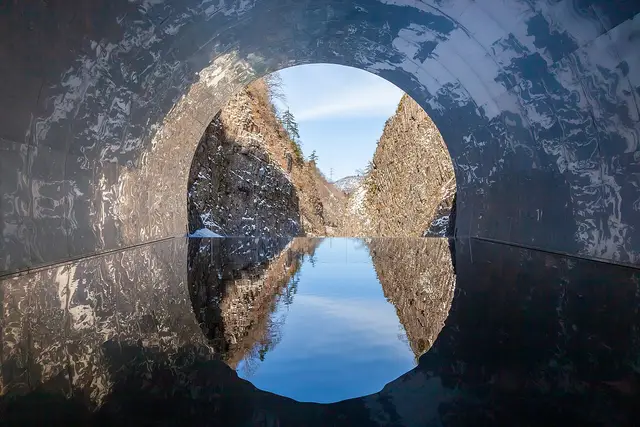
A tunnel built to view a gorge of columnar basalt. At the far end, a shallow pool artwork mirrors the canyon.
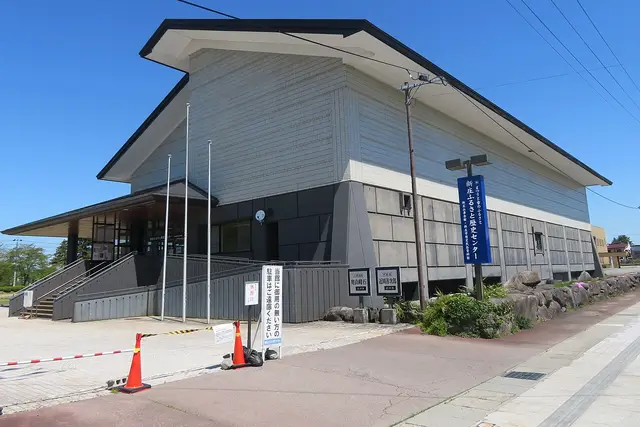
The main museum of the Echigo-Tsumari Art Triennale, built around a courtyard pool, with a hot spring bath in the same building.
An art-festival hub by the station with a Yayoi Kusama piece; about 40 more works dot the surrounding terraces and hills.
장소도호쿠 · 후쿠시마시・이이자카・니혼마쓰
One of the homes of traditional kokeshi dolls, a riverside spa town with kokeshi workshops and a free footbath.
장소도호쿠 · 이나와시로・우라반다이
A Western-style villa built in 1908 for Prince Arisugawa, now an Important Cultural Property, in woods by Lake Inawashiro.
장소간토 · 닛코
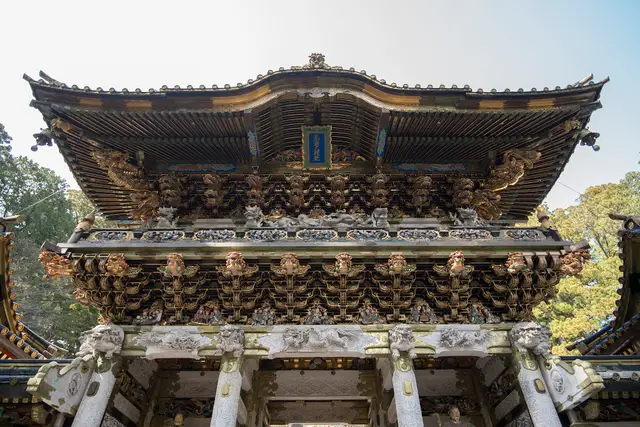
The shrine to Tokugawa Ieyasu, famous for richly colored carvings such as the Yomeimon Gate, the Sleeping Cat and the Three Wise Monkeys.
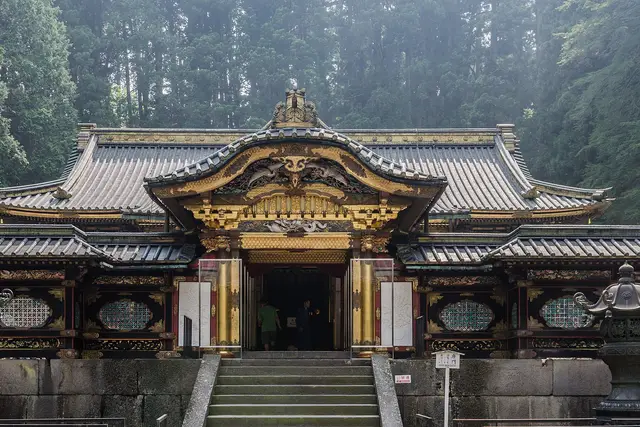
The mausoleum of the third shogun, Tokugawa Iemitsu. Its gold and black design is more restrained, and it is quieter than Toshogu.
장소간토 · 우쓰노미야・오야
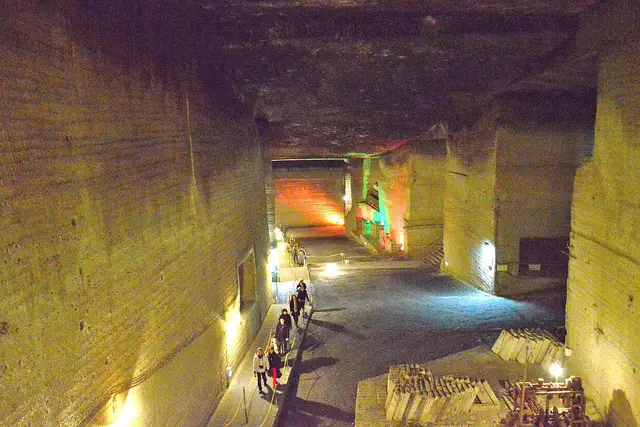
A vast underground hall left by quarrying Oya stone. It stays cool inside all year, so bring a layer even in summer.
장소간토 · 마시코・모오카
A hilltop complex with a museum of Mashiko ware and the relocated home of potter Hamada Shoji.
A sloping street of pottery shops and galleries. The town-wide pottery fair is held in Golden Week and around 3 November.
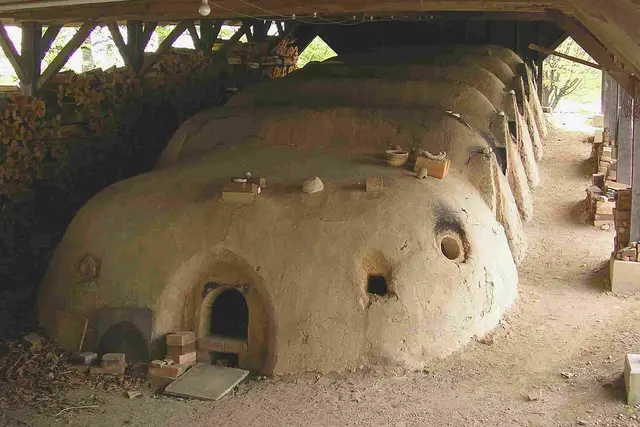
Hamada Shoji's former home and workshop, with his climbing kiln and the crafts he collected from around the world.
장소간토 · 미토・오아라이・히타치나카
An arts complex by Arata Isozaki, marked by its striking tower, with a contemporary art gallery, a concert hall and a theater.
장소간토 · 히타치・다카하기・기타이바라키
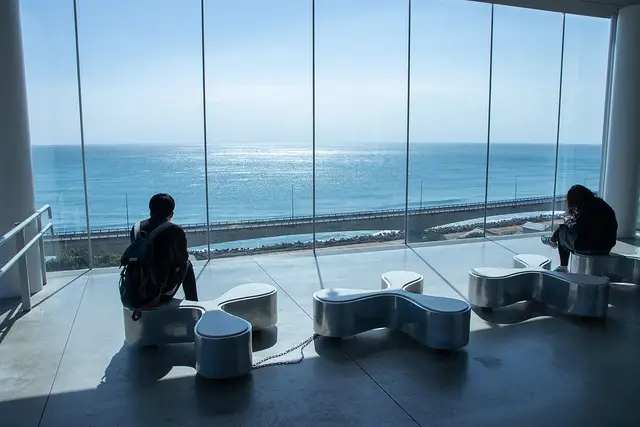
A glass-walled station designed by Kazuyo Sejima. Its east–west concourse looks straight out over the Pacific.
장소간토 · 고가・유키
A center for Yuki-tsumugi, the UNESCO-listed hand-woven silk, with a museum, a shop and weaving sessions by reservation.
장소간토 · 기류・미도리
A row of old storehouses once used for brewing sake, miso and soy sauce, now a venue for exhibitions and concerts.
장소간토 · 가와고에・지치부
Said to date from 830. It keeps rooms moved from Edo Castle, including the room where shogun Iemitsu was born, and 538 stone arhat statues.
Chichibu's head shrine, known for carvings such as the Chained Dragon. It holds the Chichibu Night Festival in December.
장소간토 · 오미야・우라와
Founded by Tokyo bonsai growers who moved here after the 1923 earthquake. Bonsai nurseries still line the lanes, and some let visitors in.
장소간토 · 한노
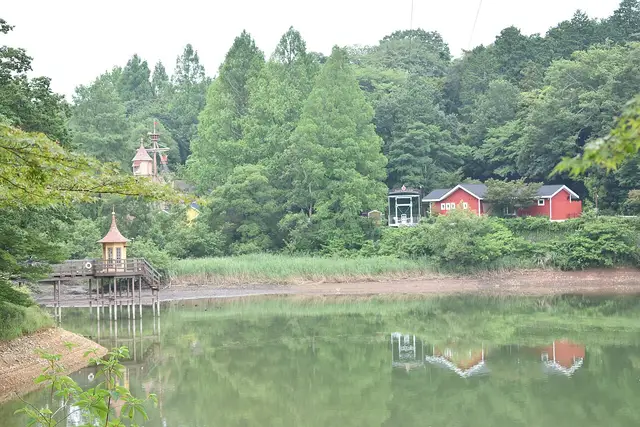
A lakeside park themed on the Moomin stories, with the Moomin house, live shows and exhibitions.
장소간토 · 구마가야・교다
Its main hall, built in the mid-Edo period and covered in vivid carvings, is a National Treasure. A fee lets you see the carvings up close.
장소간토 · 도코로자와・사야마호
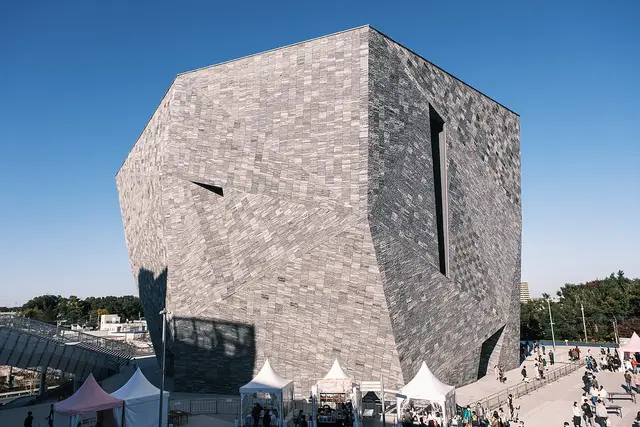
A rock-like museum designed by Kengo Kuma. Its Bookshelf Theater is surrounded by shelves about 8 m high.
장소간토 · 나리타・사와라
A large garden on the hill behind the Great Main Hall, with three ponds and a waterfall. Known for plum, cherry and autumn colors.
Museum of Ino Tadataka, who made Japan's first survey-based map: National Treasure maps and instruments. His old house is across the river.
The national museum of Japanese history and folk culture, in the old castle town of Sakura. A good choice for a rainy day.
장소주부·호쿠리쿠 · 고후・쇼센쿄
Known for Millet's The Sower and other Barbizon School paintings. The museum stands in the spacious Art Forest Park.
장소주부·호쿠리쿠 · 아타미・이즈
A hilltop museum looking down over Atami and Sagami Bay, showing Japanese and East Asian art in seasonal exhibitions.
A 1919 villa, later an inn for famous writers. See its Japanese wing, a Western wing mixing Japanese, Chinese and European décor and garden.
장소주부·호쿠리쿠 · 후지노미야・후지산 남쪽
A building shaped like an inverted Mt. Fuji in wooden lattice. Climb its spiral ramp while learning about the mountain's nature and faith.
장소주부·호쿠리쿠 · 시즈오카・시미즈
A lookout on the summit of Nihondaira. Walk its wooden gallery for views over Mt. Fuji, Suruga Bay and Shimizu Port.
장소주부·호쿠리쿠 · 하마마쓰・하마나호
A public museum of musical instruments from around the world, with a hands-on room to play some and audio guides to hear the rest.
장소간사이 · 히코네・비와호 동쪽
A rebuilt domain palace showing the Ii family's armour, Noh masks and tea wares, with an Edo-period Noh stage inside.
Nagahama's old streets, filled with glass shops and studios. You can try making glass yourself.
장소간사이 · 나가하마・마이바라
A village hall housing a National Treasure statue of the eleven-headed Kannon. Villagers across Kohoku have long cared for such statues.
장소간사이 · 구사쓰・모리야마(시가)
A museum that seems to float on a water garden, with Japanese painting, sculpture and a tea room built below the water.
장소간사이 · 고카・시가라키
A museum of Shigaraki ware near the station. Old tools and pieces trace the history of the pottery town.
Sloping lanes lined with potteries and ware shops, tanuki figures at every turn, and old climbing kilns along the way.
A hilltop park devoted to ceramics: exhibitions of Shigaraki and world pottery, and grounds dotted with large ceramic works.
A museum deep in the hills, reached through a tunnel and over a bridge, in a building by I. M. Pei. Open in spring, summer and autumn.
장소간사이 · 교토
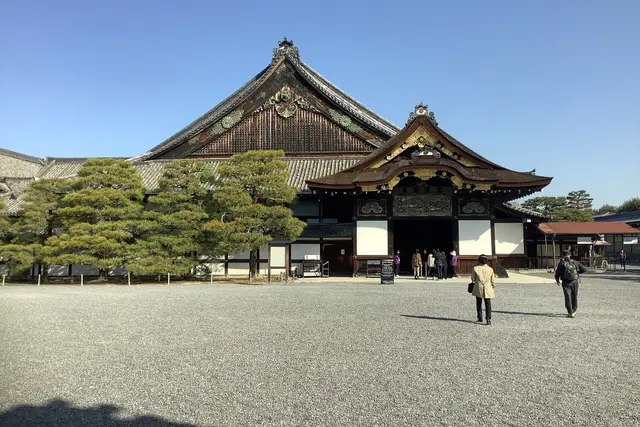
The Tokugawa shoguns' castle in Kyoto. Walk through the palace to see gold-ground screen paintings and floors that chirp underfoot.
A long hall where 1,001 life-size statues of the Thousand-Armed Kannon stand in rows. No photos inside the hall.
A temple southwest of Kyoto Station with a five-story pagoda about 55 m tall. Its Lecture Hall holds Buddhist statues from the Heian period.
장소간사이 · 오카자키・난젠지・철학의 길
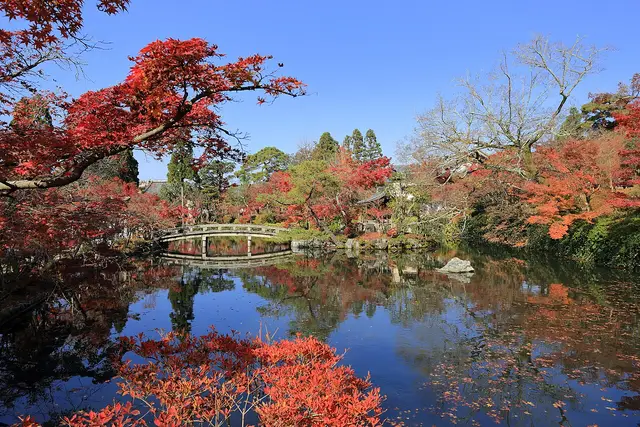
Known as the temple of maples for its autumn colors. Its Amida statue is unusual: it looks back over its shoulder.
장소주고쿠 · 히로시마・미야지마
A museum in leafy Central Park, known for its modern French paintings, including works by Monet and Van Gogh.
장소주고쿠 · 오노미치・시마나미 카이도
A temple built by a businessman for his mother, with colorful copies of famous halls and the white-marble garden called the Hill of Hope.
A museum for Nihonga painter Hirayama Ikuo, born on this island, showing his large Silk Road works and his childhood drawings.
장소주고쿠 · 미요시・쇼바라・다이샤쿠쿄
A museum of works by Nihonga painter Okuda Genso, linked to Miyoshi, and his wife, doll artist Sayume. Known for his vast red autumn scenes.
장소주고쿠 · 오카야마・구라시키
Japan's first private museum centered on Western art, with paintings by El Greco, Monet and others.
장소주고쿠 · 히루젠・유바라・가쓰야마
A street of white-walled merchant houses and a sake brewery, each doorway hung with its own hand-dyed noren curtain.
장소주고쿠 · 돗토리
A museum of sculptures made only of sand and water. The theme changes every year, with huge works by sculptors from around the world.
장소주고쿠 · 구라요시・미사사
Tottori's art museum, opened in 2025, with modern works from Japan and abroad, including Warhol's Brillo Boxes, and local artists.
장소주고쿠 · 마쓰에・이즈모
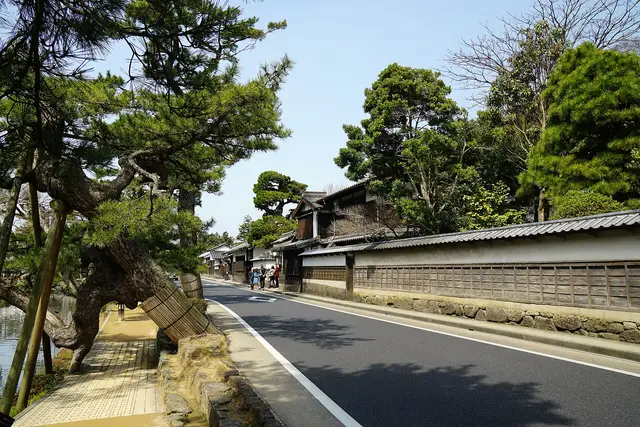
A street of samurai houses along the moat, with the former home of writer Lafcadio Hearn (Koizumi Yakumo) and a museum about him.
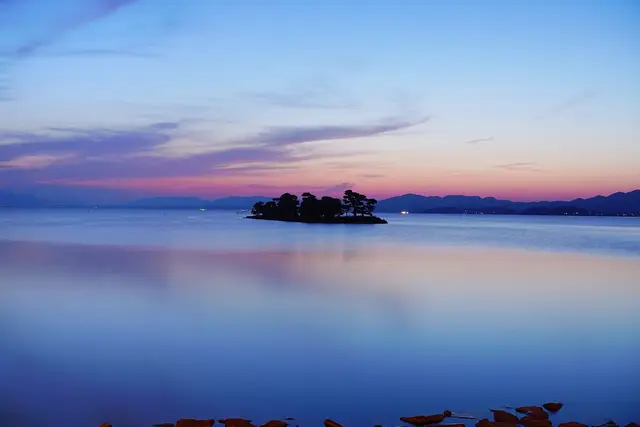
A museum on the lakeshore. The shore just to the south is the well-known place to watch the sun set behind tiny Yomegashima island.
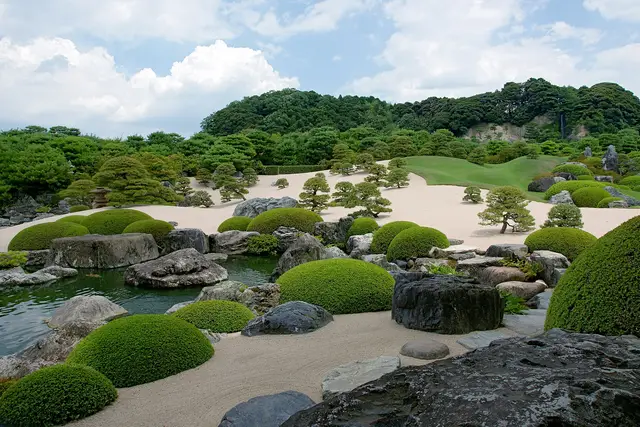
A museum known for paintings by Yokoyama Taikan and a large, immaculate Japanese garden, which you view through the windows.
장소주고쿠 · 쓰와노・마스다
The house where the writer and army doctor Mori Ogai was born, and a museum about his life.
장소시코쿠 · 다카마쓰
An island of contemporary art: the red pumpkin at the port, the Chichu Art Museum and art in old houses. Some museums need reservations.
An island said to be the ogres' island in the Momotaro tale. A large cave near the hilltop is reached by bus from the port.
An open-air museum of old farmhouses and workshops moved from around Shikoku, set on a wooded slope at the foot of Yashima.
장소시코쿠 · 나오시마・데시마
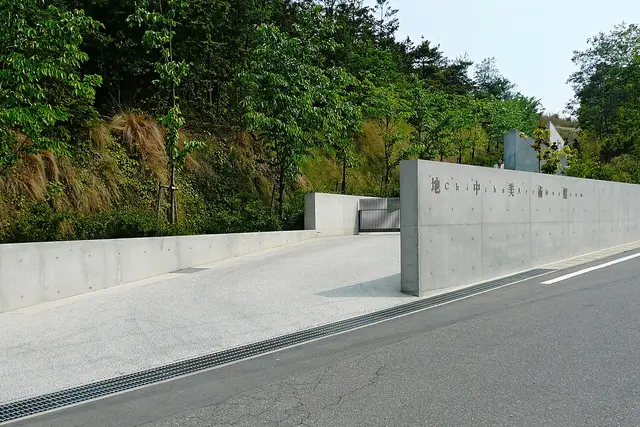
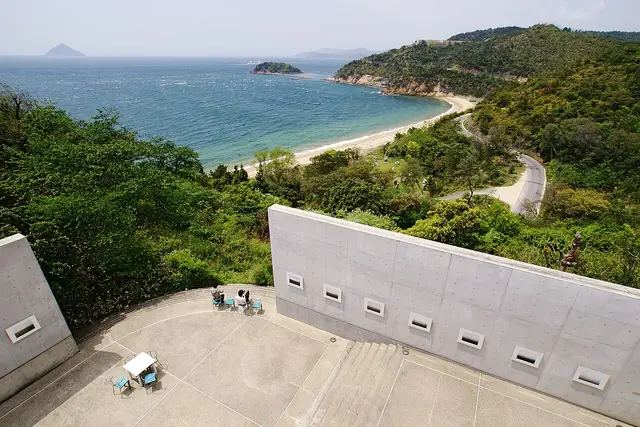
A mostly underground museum by Tadao Ando, showing Monet's Water Lilies and works by James Turrell and Walter De Maria in natural light.
A museum combined with a hotel on a hill above the sea, with outdoor works scattered along the nearby beach and woods.
Old houses and a shrine in Honmura village turned into artworks. There are seven, and Minamidera and Kinza need reservations.
Opened in 2025 and designed by Tadao Ando, this museum focuses on artists from Asia, including Japan.
장소시코쿠 · 마루가메・사카이데・우타즈
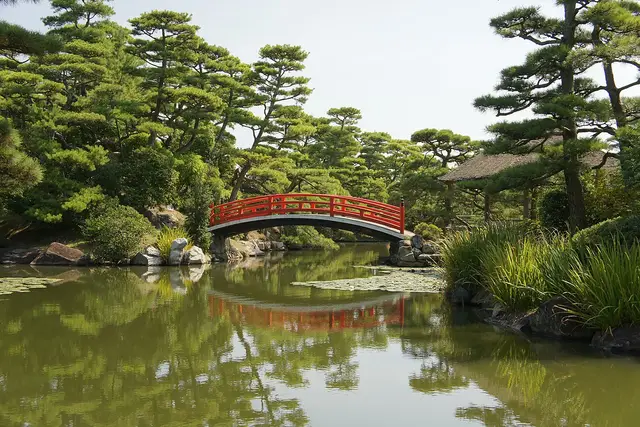
A strolling garden laid out by the lord of Marugame in 1688 among seaside pines, with an art museum in the grounds.
장소시코쿠 · 고토히라・젠쓰지・만노
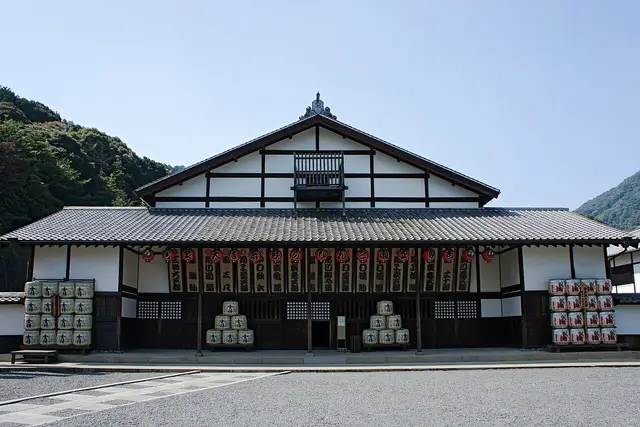
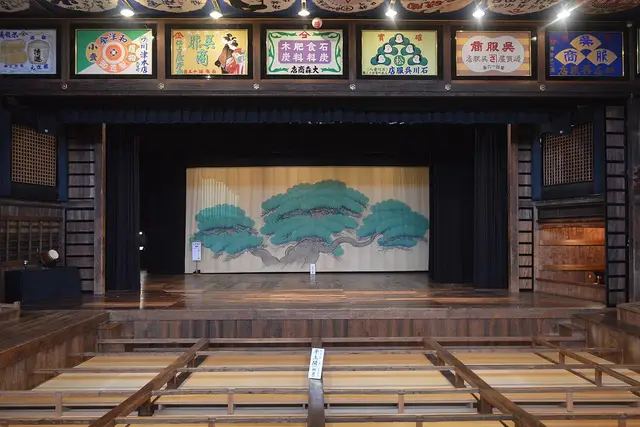
Built in 1835, the oldest surviving kabuki playhouse in Japan. Tour the backstage and under-stage, and catch kabuki here in spring.
장소시코쿠 · 도쿠시마・나루토
About 1,000 Western masterpieces from museums worldwide, reproduced full size on ceramic panels. The route is about 4 km long.
See the Awa Odori dance year-round: a resident troupe by day, famous groups at night, and a chance to join in. Also a museum.
장소시코쿠 · 와키마치・미마・쓰루기
An early Showa playhouse that later became a cinema. Visitors can see the revolving stage, the hanamichi walkway and the trap room below.
장소규슈 · 후쿠오카・하카타
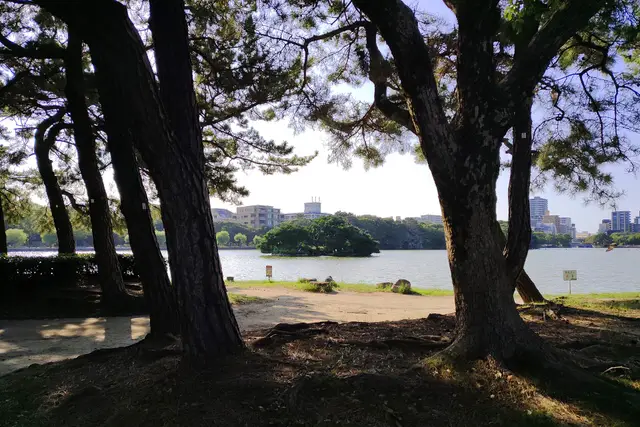
A park with a path all around a large pond, and bridges across the islands in the middle. A Japanese garden and an art museum are next door.
A museum reached by a moving-walkway tunnel from beside Dazaifu Tenmangu. It shows the history of exchange between Japan and Asia.
장소규슈 · 구루메・야메・우키하
A cultural complex given to his hometown by the founder of Bridgestone, with an art museum and gardens known for roses.
장소규슈 · 야나가와
The villa of the Tachibana lords of Yanagawa, with a white Western-style hall, the pine garden Shotoen and a museum of family treasures.
Birthplace of Kitahara Hakushu, poet and writer of children's songs. See his family's old sake brewery home and a museum of Yanagawa life.
장소규슈 · 사가・다케오・아리타
The heart of the Arita porcelain town. Its old streets lined with pottery shops form a protected historic district.
장소규슈 · 가라쓰・요부코
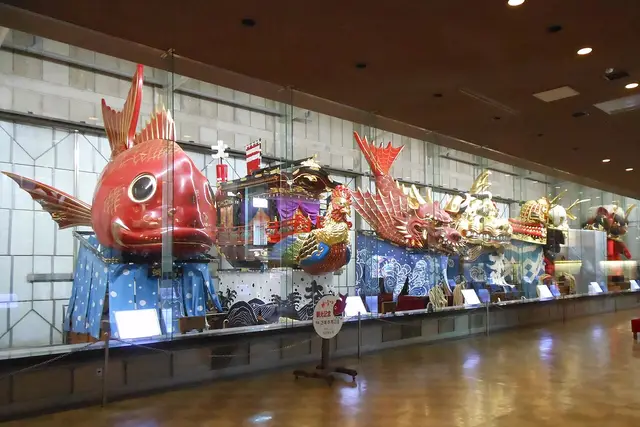
Displays the 14 floats of the Karatsu Kunchi festival. See the lacquered sea bream, lion and samurai-helmet floats up close.
A Meiji coal baron's mansion, an Important Cultural Property, with a Noh stage inside and fine painted doors and transoms.
장소규슈 · 아리타・이마리
Lanes lined with walls of old kiln bricks and pottery shards set in red clay, the back side of the potters' town.
장소규슈 · 히라도
The former residence of the Matsura lords, showing their family treasures. You can take tea in the garden teahouse.
장소규슈 · 야마가・기쿠치
A wooden playhouse built in 1910 and now an Important Cultural Property. Tours go right down under the stage.
장소규슈 · 오이타시
An art museum by architect Shigeru Ban, its facade recalling bamboo craft. It shows works tied to Oita as well as special exhibitions.
장소오키나와 · 나하
A stone-paved street of kilns and shops selling yachimun, Okinawan pottery. You can buy tableware and shisa lion-dog figures.
장소오키나와 · 온나・요미탄
Yomitan's village of pottery studios, with a large climbing kiln and workshop shops where you can choose tableware.
An art museum and an outdoor sculpture garden set in the woods. Workshops offer hands-on crafts such as pottery.
A national center for Ainu culture in Shiraoi, with a museum, traditional dance performances and a reconstructed village by the lake.
An English-style garden planted with flowers suited to Hokkaido's climate. Open from spring to autumn.
An Ainu museum founded in 1916 and run by an Ainu family. See everyday tools, clothing and a traditional house.
A history museum and art museum in a building modeled on a gusuku castle. A good introduction to Okinawa's nature and history.
A crafts center in the Tenbusu Naha building on Kokusai-dori, with hands-on classes in bingata dyeing, Ryukyu glass, weaving and more.
장소오키나와 · 미야코지마
Craft workshops inside the tropical botanical garden, offering hands-on weaving, indigo dyeing, sanshin playing and more.
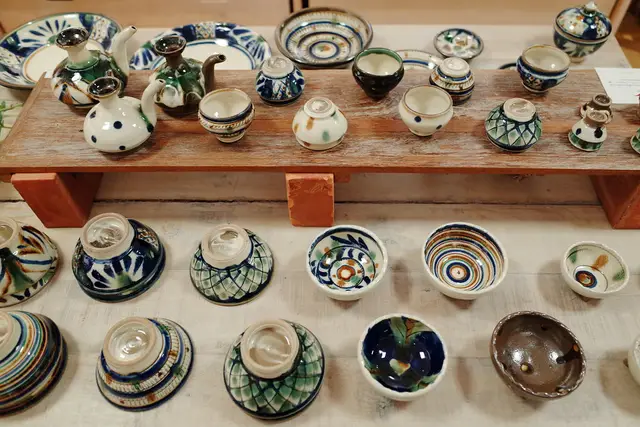
A museum at the entrance to Tsuboya Yachimun Street that explains the history and techniques of Okinawan pottery.
Yomitan's village museum beside Zakimi Castle, covering local history and the village's pottery and weaving.
장소오키나와 · 얀바루
A hall in Kijoka, home of bashofu cloth woven from banana-plant fiber, where you can see the work and finished pieces.
역이나 주소는 경로 검색에서사진·데이터 출처