메뉴
경로를 검색한 뒤 '경로 저장'을 누르면 여기에서 바로 열 수 있습니다.
로그인하면 방문 기록과 랭크가 남고, 다른 기기에서도 볼 수 있습니다.
‘寺社・教堂’ 검색 결과: 1152건
결과가 많아 위에서부터 124건을 보여 드립니다. 단어를 더해 좁혀 보세요(예: ‘교토 절’).
찾는 범위
장소홋카이도 · 삿포로
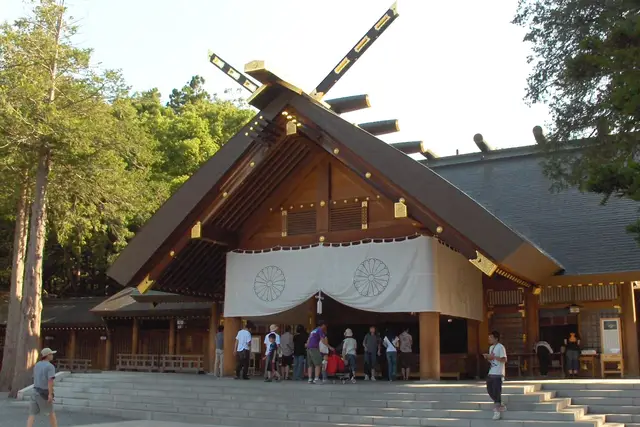
A shrine in the forest at the foot of Mt. Maruyama. Together with Maruyama Park next door, it is a cherry-blossom spot in spring.
장소홋카이도 · 하코다테
White walls and green domes; one of the oldest Orthodox churches in Japan, also known for its bell.
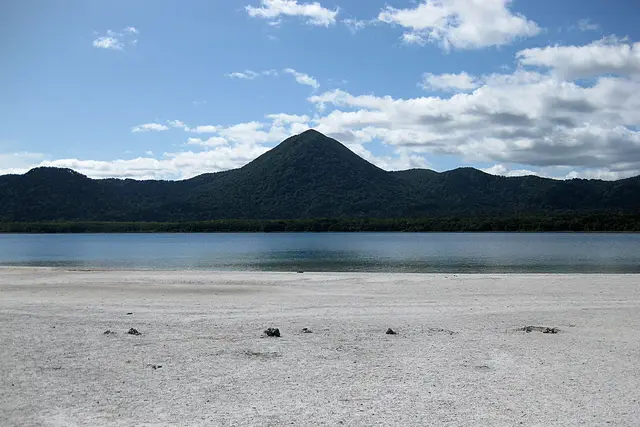
Japan's first convent for women. The front garden and a small museum are open to visitors. A place to walk quietly.
장소도호쿠 · 히로사키
An old shrine at the foot of Mt. Iwaki. A cedar-lined approach leads to ornate Edo-period halls.
장소도호쿠 · 시모키타 반도
A sacred site of barren volcanic ground and the white shore of Lake Usori. Walk among Jizo statues and stone piles in the smell of sulfur.
장소도호쿠 · 도와다호・오이라세
A shrine in the cedar woods of Yasumiya, tied to a dragon legend. The rocky shore below, Uranaiba, has long been a place of prayer.
장소도호쿠 · 하치노헤
A small island joined to the shore where black-tailed gulls nest. A shrine stands on top, and spring to summer it teems with birds.
장소도호쿠 · 모리오카
A shrine founded by the Nanbu lords in 1680, with a vermilion main hall. Horseback archery is held at its September festival.
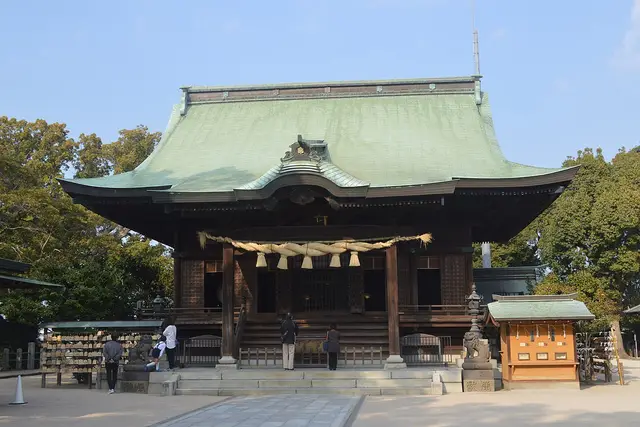
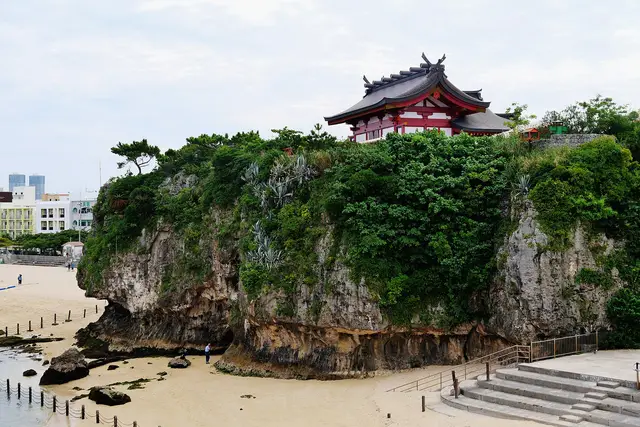
장소도호쿠 · 히라이즈미・이치노세키
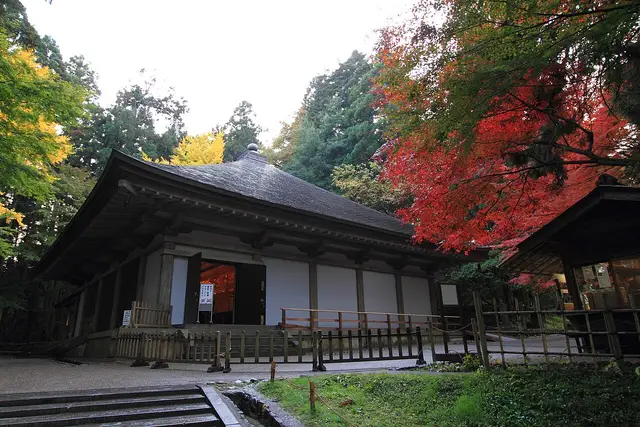
An old temple at the top of a cedar-lined slope, home to the gold-leaf Konjikido hall built by the Oshu Fujiwara lords.
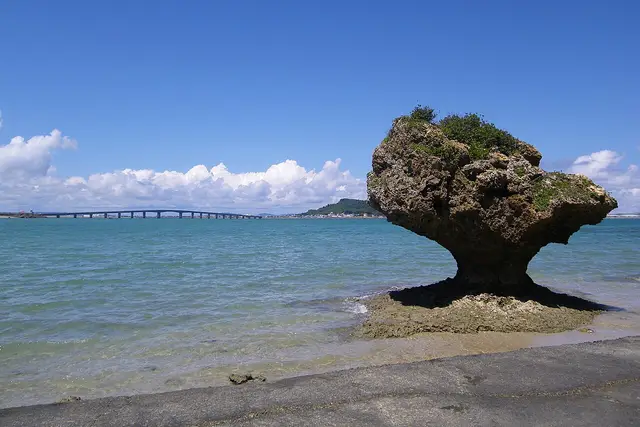
A temple with a Pure Land garden around a large pond, a Special Historic Site and Place of Scenic Beauty. Irises bloom in early summer.
A hall built into a cave in a cliff, said to date from Sakanoue no Tamuramaro. A Buddha face carved into the rock survives nearby.
장소도호쿠 · 도노
An Important Cultural Property farmhouse and a hall of about 1,000 Oshira-sama figures. Folktales are told by the hearth.
A stream pool where kappa are said to live. Next door, Jokenji Temple has a guardian dog statue with a kappa-like dent on its head.
장소도호쿠 · 가마이시・오후나토
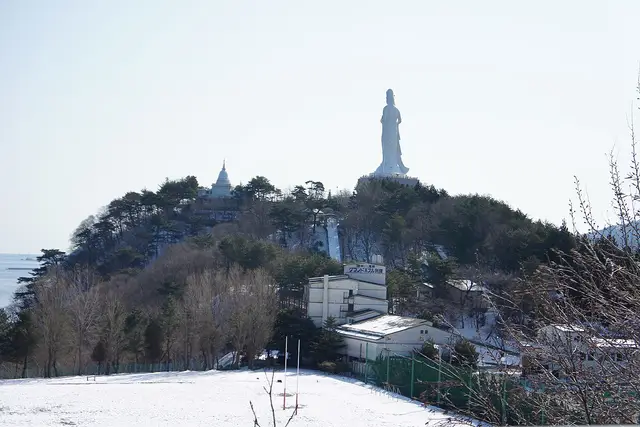
A white Kannon statue about 48 m tall above Kamaishi Bay. Climb the stairs inside to a lookout at chest height.
장소도호쿠 · 오가 반도
A shrine at the foot of Mt. Shinzan closely tied to the Namahage. The Namahage Sedo Festival is held here in February.
장소도호쿠 · 기사카타・조카이산
An old temple on one of Kisakata's former islands, visited by Basho, with a stone bearing his haiku and relics of the old lagoon view.
장소도호쿠 · 센다이
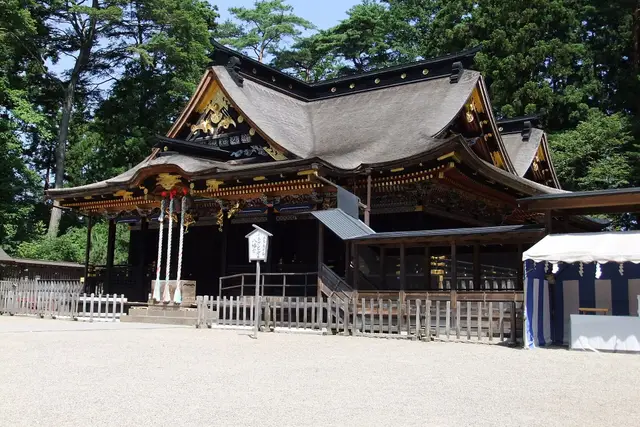
A shrine built by Date Masamune. Its main hall, in black lacquer with gold and colored carvings, is a National Treasure.
A Zen temple in Matsushima rebuilt by Date Masamune. The main hall is a National Treasure, with paintings on gold sliding doors.
A shrine on a hill above the port town of Shiogama, reached by a long, straight flight of stone steps. Cherry blossoms in spring.
A mountain temple in Yamagata Prefecture. Climb about a thousand stone steps to halls perched on the rocks, looking over the valley.
A Matsushima temple honoring Date Masamune's grandson, with moss and rose gardens. The autumn leaves are lit up at night.
장소도호쿠 · 이시노마키・오나가와
A hilltop park over the river mouth, the city and the Pacific, with Kashima Miko Shrine and spring cherry blossoms.
장소도호쿠 · 야마가타・자오
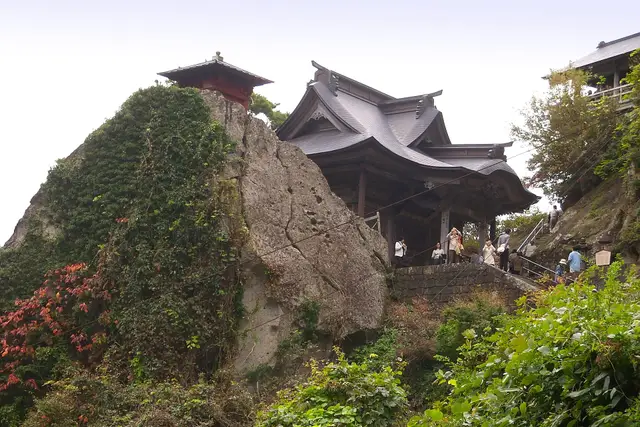
A mountain temple founded in 860. Climb 1,015 stone steps to Godaido, a hall on the cliff edge with a sweeping view of the valley.
A shrine to the warlord Uesugi Kenshin on the site of Yonezawa Castle's main bailey, with the Uesugi Museum and a treasure hall nearby.
장소도호쿠 · 요네자와・오키타마
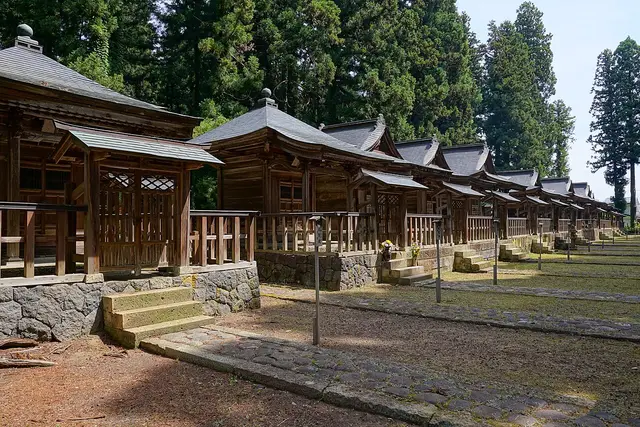
The mausoleums of Uesugi Kenshin and the later lords of Yonezawa stand in a row in a grove of tall cedars. A national historic site.
An old shrine called the "Ise of Tohoku". Visitors search the main hall's carvings for three hidden rabbits.
장소도호쿠 · 쓰루오카・데와산잔
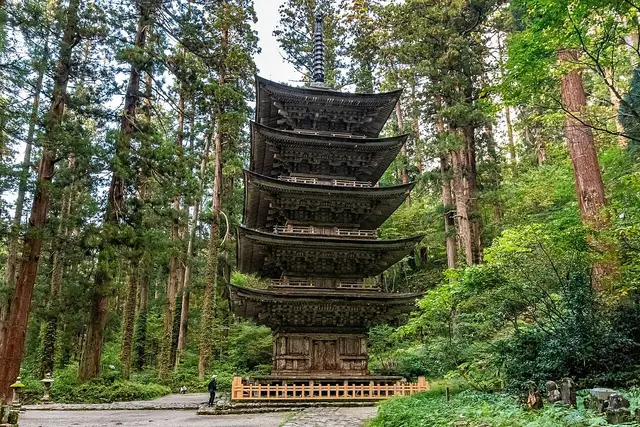
A National Treasure pagoda among giant cedars, just below Zuishinmon gate. Stone steps lined with cedars climb on to the summit.
On the summit of Mt. Haguro, this hall enshrines the gods of all three sacred peaks together under a massive thatched roof.
The innermost of the three sacred peaks, worshipping a rock with hot water welling up. Enter barefoot; no photos. Closed in winter.
The site of Tsurugaoka Castle, home to Shonai Shrine, the Western-style Taihokan and the Fujisawa Shuhei Museum. Lovely in cherry season.
장소주부·호쿠리쿠 · 니가타・야히코
Beside Hakusan Shrine, one of Japan's first public parks: a strolling pond garden known for cherry blossoms, lotus and autumn color.
The leading shrine of old Echigo Province, fondly called Oyahiko-sama. Its grounds, wrapped in sacred forest, are famous for autumn leaves.
장소주부·호쿠리쿠 · 사도섬
An old Nichiren temple whose Edo-period five-storied pagoda, an Important Cultural Property, rises among the rice fields.
장소주부·호쿠리쿠 · 에치고유자와・미나미우오누마
A Zen temple said to date from the 8th century, where the warlord Uesugi Kagekatsu and his retainer Naoe Kanetsugu are said to have studied.
An old hall near Urasa Station. On an early-March night, crowds of near-naked men jostle here in a famous festival.
장소도호쿠 · 이와키
A late-Heian Amida hall set in a pond garden, the only building in Fukushima Prefecture designated a National Treasure.
장소도호쿠 · 소마・미나미소마・후타바
A Myoken shrine within the Soma domain's castle grounds. Warriors set out from here for the Nomaoi, and horses are kept on the grounds.
장소간토 · 닛코
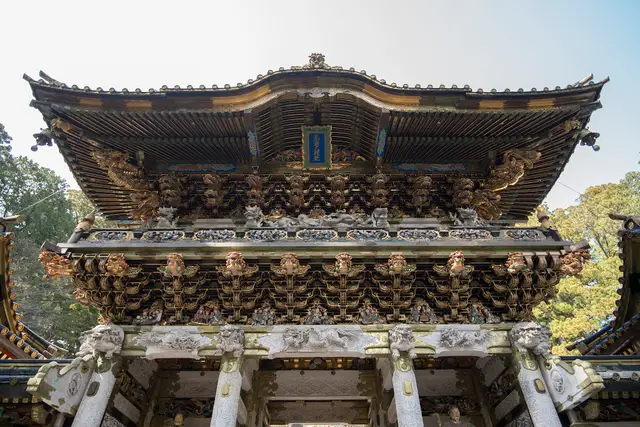
The shrine to Tokugawa Ieyasu, famous for richly colored carvings such as the Yomeimon Gate, the Sleeping Cat and the Three Wise Monkeys.
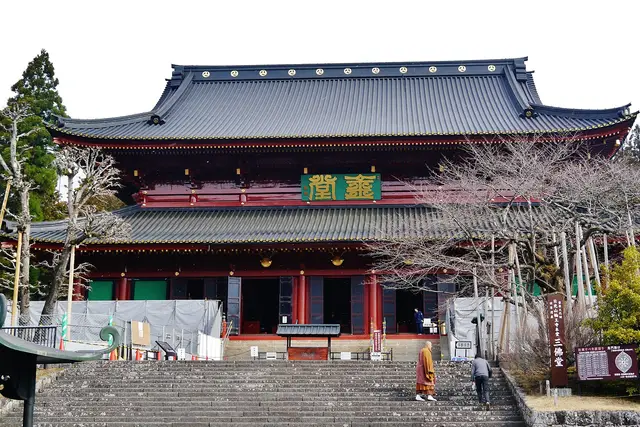
The main temple of Nikko. Three large gilded Buddhist statues sit side by side in the Sanbutsudo Hall. Shoyoen Garden is next door.
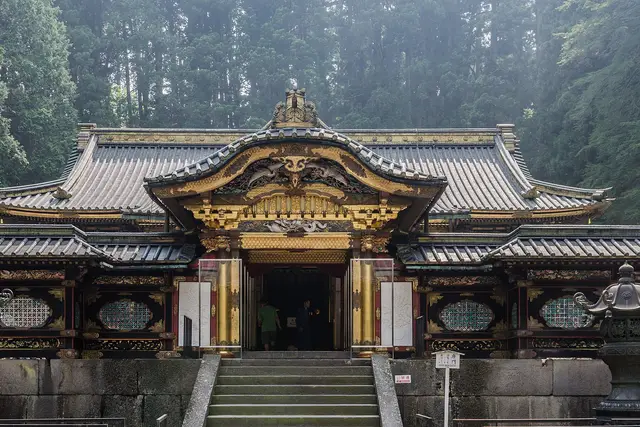
The mausoleum of the third shogun, Tokugawa Iemitsu. Its gold and black design is more restrained, and it is quieter than Toshogu.
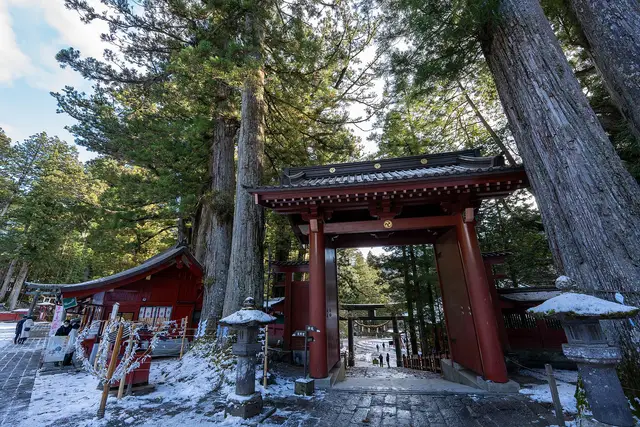
An old shrine dedicated to Mt. Nantai and the other mountains of Nikko, set among cedars next to Toshogu.
장소간토 · 우쓰노미야・오야
A temple whose thousand-armed Kannon is carved into an Oya-stone cliff. A huge Peace Kannon is cut into the rock face nearby.
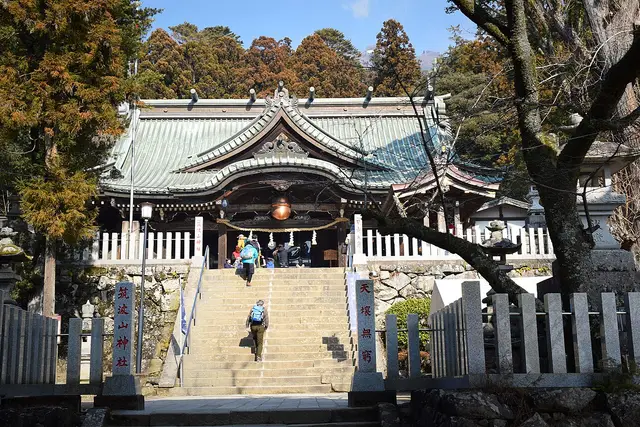
An old shrine on a rise in the heart of Utsunomiya, reached by a long flight of stone steps from the main avenue.
장소간토 · 마시코・모오카
Temple 20 of the Bando pilgrimage, on a wooded hill, known for its Muromachi-era three-story pagoda and a smiling statue of Enma.
장소간토 · 아시카가・사노
A temple on the site of the Ashikaga clan's residence, ringed by a moat and earthworks. Its main hall is a National Treasure.
A vermilion shrine to the deities of weaving, halfway up a hill. Climb the stone steps for views over Ashikaga and the Kanto Plain.
A temple in central Sano known for prayers to ward off misfortune. It is especially busy for New Year visits.
장소간토 · 미토・오아라이・히타치나카
A torii gate stands on the sea rock where the shrine's gods are said to have landed. Photographers gather here at sunrise.
One of Japan's three great Inari shrines. Its late-Edo main hall is covered in fine carvings. Chrysanthemum festival in autumn.
장소간토 · 쓰쿠바
A shrine that worships the twin peaks of Mt. Nantai and Mt. Nyotai. Its hall sits partway up the mountain, near the cable car station.
장소간토 · 히타치・다카하기・기타이바라키
A mountain shrine of ancient worship, mentioned in the 8th-century Hitachi gazetteer. Walk a cedar-lined approach or climb on to Mt. Oiwa.
장소간토 · 오쿠쿠지・다이고・히타치오타
A temple founded in 1446 on the hill behind Hitachi-Daigo Station, nicknamed 'Momiji-dera' for its autumn maples.
장소간토 · 가시마・이타코
Head shrine of Kashima shrines across Japan. A path through a forest of giant trees leads to the inner shrine and a sacred deer park.
One of eastern Japan's three great shrines, with Kashima and Katori. By its riverside torii, the old Oshioi wells spring underwater.
장소간토 · 다카사키・도미오카・구사쓰
A mountain shrine whose main hall stands against a huge rock. The 700-meter approach follows a stream under old cedars.
The temple where the good-luck daruma doll began. Known for its daruma fair on January 6–7; you can also try painting a daruma.
A white Kannon statue raised on Kannon hill in 1936. Climb 146 steps inside to shoulder height for views over the city.
장소간토 · 이카호 온천・시부카와
The shrine at the very top of the stone steps, dedicated to the gods of hot springs and healing. Its grounds turn red and gold in autumn.
장소간토 · 안나카・우스이 고개・요코카와
A shrine at the foot of rocky Mt. Myogi, its lacquered and painted Edo-period halls designated Important Cultural Properties.
장소간토 · 기류・미도리
The town's guardian shrine at the north end of Honcho street. Its main hall is covered in fine carvings.
장소주부·호쿠리쿠 · 가와구치코・후지 5호
The shrine at the start of the Yoshida trail up Mt. Fuji, with an approach lined by giant cedars and a huge wooden torii gate.
장소주부·호쿠리쿠 · 고후・쇼센쿄
A shrine to Takeda Shingen on the site of his clan's residence. The moat and stone walls remain; a treasure hall shows clan heirlooms.
Founded by Takeda Shingen. The huge wooden main hall and gate are Important Cultural Properties; walk the dark passage beneath the hall.
장소주부·호쿠리쿠 · 이사와 온천・가쓰누마・엔잔
Takeda Shingen's family temple, with his grave and a garden credited to the priest Muso. Its red gate is an Important Cultural Property.
Called the grape temple for its Buddha of healing holding a bunch of grapes. Its Kamakura-period Yakushi hall is a National Treasure.
장소주부·호쿠리쿠 · 기요사토・고부치자와・야쓰가타케 남쪽 기슭
An Edo-higan cherry said to be 2,000 years old, one of Japan's three great cherry trees. Crowds come in April when it blooms.
장소주부·호쿠리쿠 · 미노부산・시모베 온천・후지강
The head temple of Nichiren Buddhism, founded by Nichiren. Atop the 287 Bodaitei steps stand the great main hall and a five-story pagoda.
장소간사이 · 히코네・비와호 동쪽
An ancient shrine mentioned in the Kojiki, visited by many for long life and good relationships.
An island about 2 km round in Lake Biwa, with Hogon-ji temple and Tsukubusuma Shrine. Boats may not sail in bad weather.
A Zen temple in a mountain valley, famed for autumn leaves that turn the approach path red.
장소간사이 · 나가하마・마이바라
A village hall housing a National Treasure statue of the eleven-headed Kannon. Villagers across Kohoku have long cared for such statues.
장소간사이 · 오쓰・히에이잔 사카모토
A temple whose main hall stands on huge rocks. Murasaki Shikibu is said to have begun The Tale of Genji here; lovely in flower season.
A large temple spread over a hillside, with a National Treasure main hall and the evening bell celebrated as one of the Eight Views of Omi.
The head shrine of Hie and Sanno shrines across Japan, at the foot of Mt. Hiei. Halls stand in the woods, splendid in autumn color.
A small hall built out over the lake, one of the Eight Views of Omi, with views across the water to the far shore's hills.
장소간사이 · 오미하치만・아즈치
The town's guardian shrine at the foot of Mt. Hachiman, long revered by Omi merchants and the stage of the Sagicho fire festival in March.
A temple of the Saigoku Kannon pilgrimage high above the lake. A long stone stairway leads to its old halls and three-storey pagoda.
장소간사이 · 다카시마・비와호 서쪽
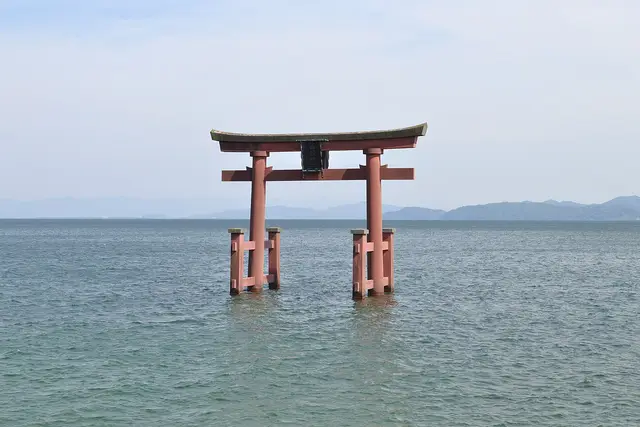
Said to be Omi's oldest shrine, with a vermilion torii standing in the lake. Don't cross the highway; view it from the deck.
장소간사이 · 교토
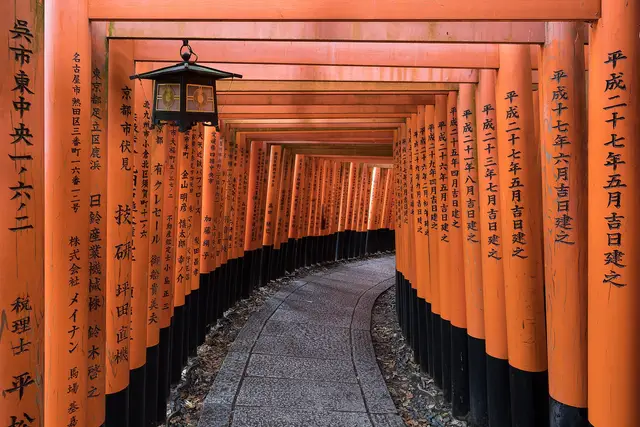
A shrine where red torii gates climb all the way up the hill. The full loop takes about 2 hours, and crowds thin out as you climb.
장소주고쿠 · 히로시마・미야지마
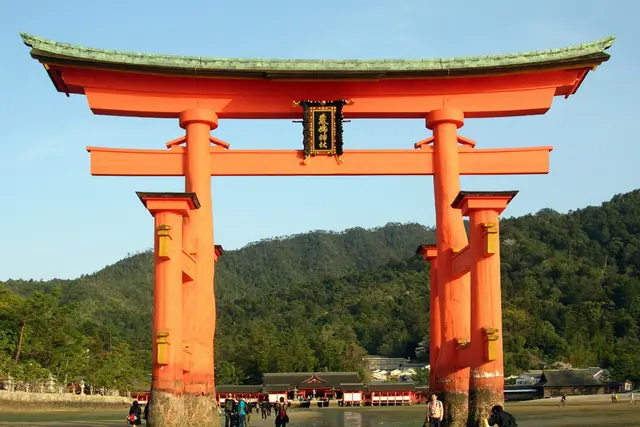
At high tide the red shrine and its great gate seem to float on the sea. At low tide you can walk out to the gate.
An old temple at the foot of Mt. Misen. Spin the sutra wheels on the stair rail as you climb, and look for the many small stone statues.
A vast hall of 857 tatami mats, built on Toyotomi Hideyoshi's orders and never finished. A red five-story pagoda stands beside it.
A port town of slopes, lanes and temples. Take the ropeway up to Senkoji for views over the narrow strait and islands.
장소주고쿠 · 다케하라・미하라・오쿠노시마
A vermilion hall on a rise above the old town. From its stage, modeled on Kyoto's Kiyomizu-dera, look over Takehara's tiled roofs.
The head temple of a Zen school, spread along a wooded valley. Founded in the Muromachi period, it is famed for autumn leaves.
장소주고쿠 · 오노미치・시마나미 카이도
An old temple said to have been founded by Prince Shotoku. Its Kamakura-period main hall and two-story pagoda are National Treasures.
A large hillside temple. Giant straw sandals hang on its gate, and its three-story pagoda overlooks the town.
A temple on the slope up to Senkoji. The view of its pagoda against the harbor and islands is one of Onomichi's classic scenes.
A temple built by a businessman for his mother, with colorful copies of famous halls and the white-marble garden called the Hill of Hope.
장소주고쿠 · 후쿠야마・도모노우라
A guest hall where Korean envoys praised the finest view in Japan. Its window frames Sensuijima and Bentenjima islands.
An old temple by the Ashida River whose Kamakura-period main hall and 14th-century five-story pagoda are both National Treasures.
장소시코쿠 · 다카마쓰
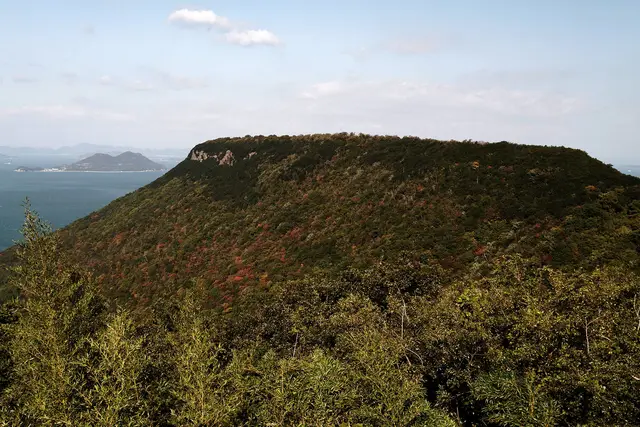
A flat-topped, roof-shaped mountain. There are lookouts over the Inland Sea and a 12th-century battlefield, plus Yashima-ji Temple.
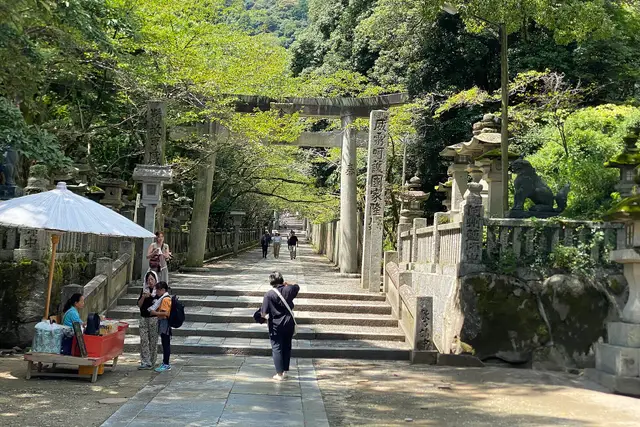
A much-loved shrine to the guardian of seafarers. It is 785 stone steps up to the main hall, past rows of souvenir shops.
A large temple on the birthplace of Kobo Daishi (Kukai), with a five-story pagoda and a pitch-dark passage beneath the founder's hall.
장소시코쿠 · 사누키・히가시카가와
Temple 86 of the Shikoku pilgrimage, close to Shido Bay. Its tall five-story pagoda is a landmark, and it keeps the legend of a diver.
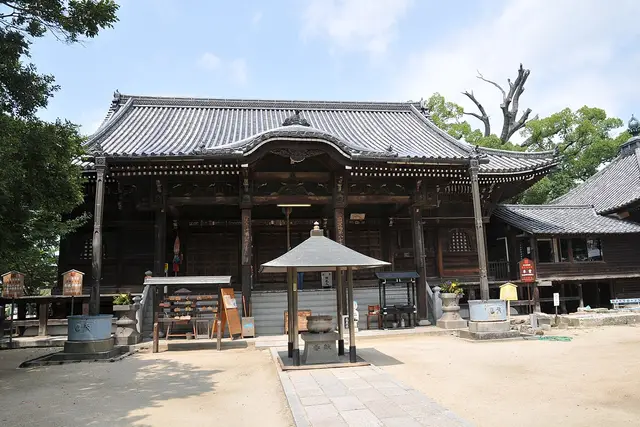
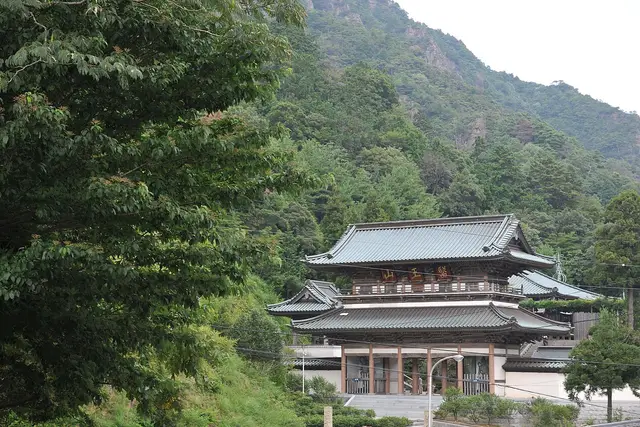
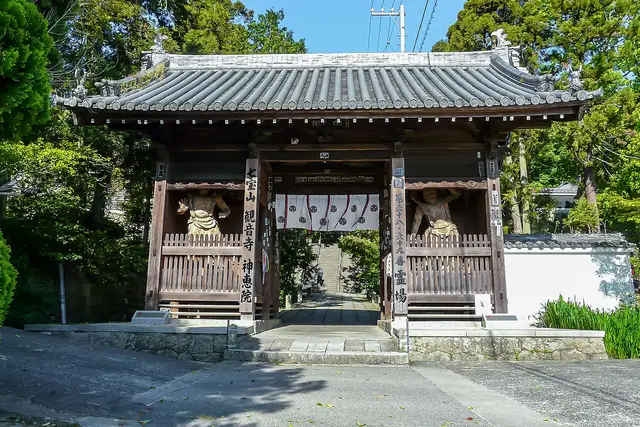
Temple 88, where the Shikoku pilgrimage ends. A mountain temple at the foot of Mt. Yahazu, beautiful in autumn leaves.
장소시코쿠 · 간온지・미토요
Temples 68 and 69 of the Shikoku pilgrimage share one precinct. Kannonji's main hall is an Important Cultural Property.
장소시코쿠 · 도쿠시마・나루토
The first of the 88 temples of the Shikoku Pilgrimage. Many pilgrims buy their white robes and stamp books here and set off on foot.
Temple 23 of the pilgrimage, in the seaside town of Hiwasa. Known for warding off misfortune. Its upper pagoda looks over the town and sea.
장소시코쿠 · 아난・가쓰우라・가미카쓰
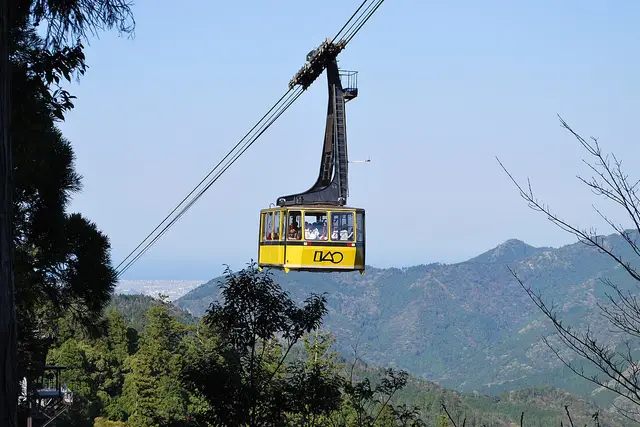
Temple 21 of the pilgrimage. A ropeway about 2.8 km long carries you over the Naka River and the hills to the mountaintop grounds.
장소시코쿠 · 마쓰야마・도고 온천
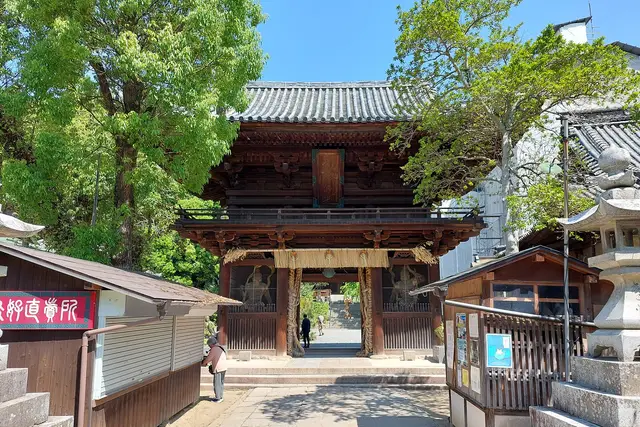
Temple 51 on the Shikoku pilgrimage. It has a National Treasure gate and a three-story pagoda, and you will see pilgrims in white.
A red shrine at the top of a long flight of stone steps, built in the rare Hachiman-zukuri style. About 5 minutes from Dogo Onsen Station.
장소시코쿠 · 사이조・니이하마・이시즈치산
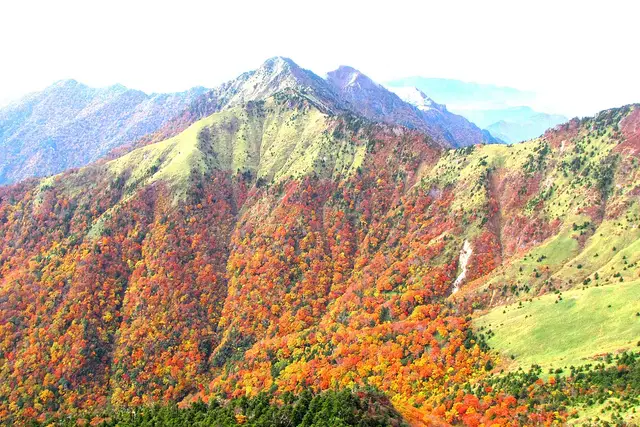
A sacred mountain since ancient times. Ropeway and a short walk reach Jojusha Shrine on its flank; the summit is 2 to 3 more hours on foot.
장소규슈 · 후쿠오카・하카타
A shrine to Sugawara no Michizane, revered as the god of learning. Known for plum blossoms in early spring and grilled umegae-mochi cakes.
The guardian shrine of Hakata. A towering decorated float from the summer Hakata Gion Yamakasa festival is on display almost all year.
A temple said to have been founded by the monk Kukai, with a large wooden seated Buddha and a red five-story pagoda. Walkable from Hakata.
Counted among Japan's three great Hachiman shrines, known for the plaque on its gate. The Hojoya festival fills it with stalls in autumn.
An old shrine within walking distance of Hakata Station. Its main hall, built in the early Edo period, is an Important Cultural Property.
A Zen temple from the 13th century, said to be where udon, soba and manju were brought from China. A stone marks the story in the grounds.
Part of the World Heritage site of Okinoshima and related sites. Its treasure hall shows offerings found on the sacred island.
장소규슈 · 무나카타・후쿠쓰
One of the three shrines of Munakata Taisha, near Oshima's port. Part of the World Heritage site, with a Tanabata star legend.
장소규슈 · 다자이후
A temple dating back to the 7th century. Its treasure house holds large Buddhist statues, and its bronze bell is among Japan's oldest.
장소규슈 · 이토시마
A shrine in the woods with buildings from the early Edo period, built by the lord of Fukuoka. The wedded rocks at Futamigaura belong to it.
장소규슈 · 구루메・야메・우키하
The head shrine of all Suitengu shrines in Japan, on the bank of the Chikugo River. Many come to pray for safe childbirth.
Once ranked the leading shrine of Chikugo Province, it stands halfway up Mt. Kora with views over the Chikugo plain.
장소오키나와 · 나하
A shrine on a cliff facing the sea. Just below is Naminoue Beach, where you can swim in the middle of the city.
The most sacred site of the Ryukyu Kingdom and a World Heritage site. Known for the triangular gap formed by two great rocks in the forest.
장소오키나와 · 차탄・오키나와 중부
A small island past the Kaichu Road, with stone walls and red-tiled houses, and a sacred cave said to be the home of Ryukyu's creator gods.
장소홋카이도 · 오타루
A shrine on the hill above Sakaimachi. The grounds look down over the harbor and the old town.
The main guardian shrine of Otaru, with a long flight of stone steps and a large torii gate. Locals come here to pray.
장소홋카이도 · 아사히카와・다이세쓰잔
Asahikawa's main guardian shrine, in the woods of Kaguraoka Park. The long approach and grounds are quiet to stroll.
One of the eight great shrines of the Ryukyu Kingdom. Behind it is a limestone cave that has long been a place of worship.
장소오키나와 · 미야코지마
Miyako's shrine in downtown Hirara. From the red shrine buildings on the rise you can see the harbor and sea.
장소오키나와 · 이시가키섬・야에야마
Yaeyama's oldest temple, founded in the early 17th century, with a shrine next door. Wooden guardian statues stand at the gate.
역이나 주소는 경로 검색에서사진·데이터 출처