Skip to content

Menu

Find a placePlan a routeTravelers' routes

Himeji guide

The city of the white Himeji Castle, visible straight down the main street as you leave the station. The castle and garden are walkable; a mountain temple and old towns lie a short trip away.

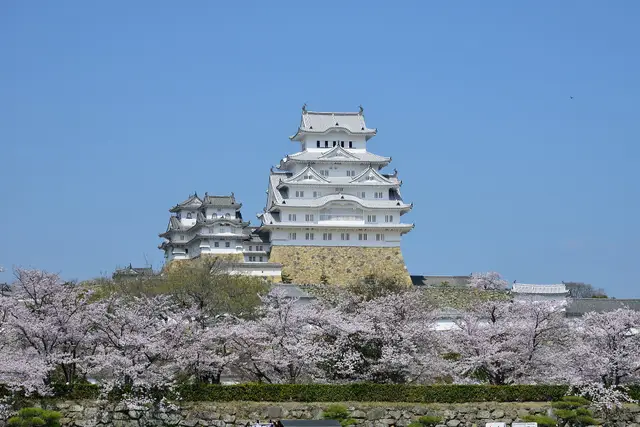
The white keep of Himeji Castle rising above cherry blossoms

Things to see 10 classics

Classics 10 places
By interest
By how you get there
By distance
  • 1

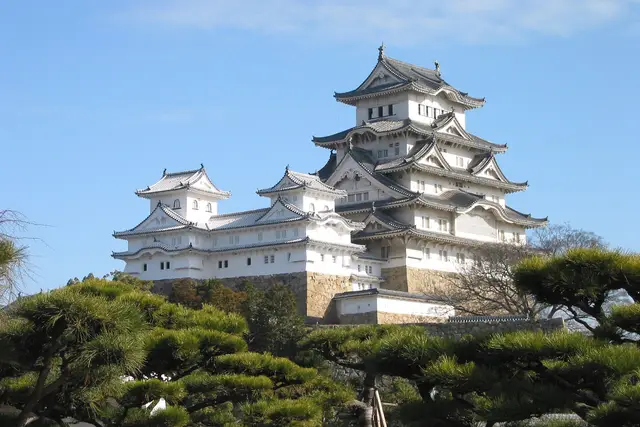
    Himeji Castle

    Called the White Heron Castle for its white plaster walls; a National Treasure and World Heritage site. Climb the keep, over 400 years old.

    Many overseas visitors

    An estimated 547,426 of 1,567,674 visitors in FY2025 (34.9%) were from overseas Source: Himeji City, Himeji Castle visitor numbers FY2025

    • History & buildings
    • Views

    about 2.5 hrPaid entryFine on a rainy dayPartly step-free

    Walk · About 20 min from Himeji ・ 1.4km

    Go hereDetails
  • 2

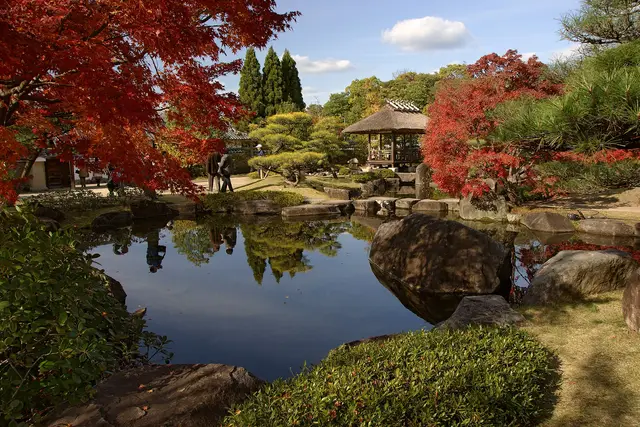
    Kokoen Garden

    A Japanese garden on the site of samurai houses just west of the castle. Nine gardens, each in a different style. Fine autumn leaves.

    • Nature
    • History & buildings

    about 60 minPaid entryWheelchair & stroller friendly

    Walk · About 20 min from Himeji ・ 1.3km

    Go here
  • 3

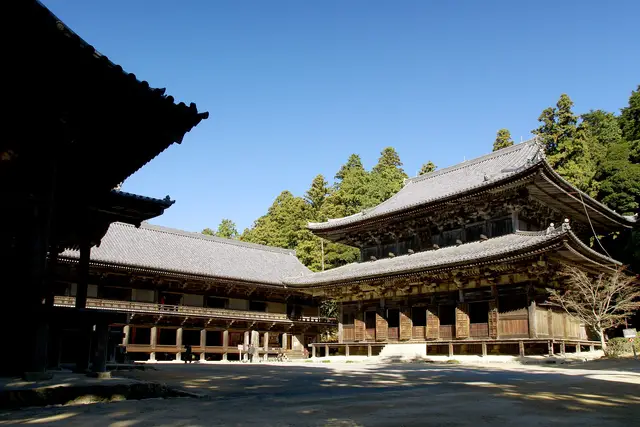
    Engyo-ji Temple (Mt. Shosha)

    An old temple of great wooden halls scattered through the forest on a mountaintop. Scenes of The Last Samurai were filmed here.

    • Temples, shrines & churches
    • Nature
    • History & buildings

    about 2.5 hrPaid entry

    Bus · About 60 min from Himeji ・ Shinki Bus to Shosha Ropeway, ride up, then about 20 minutes on foot ・ 7.8km

    Go here
  • 4

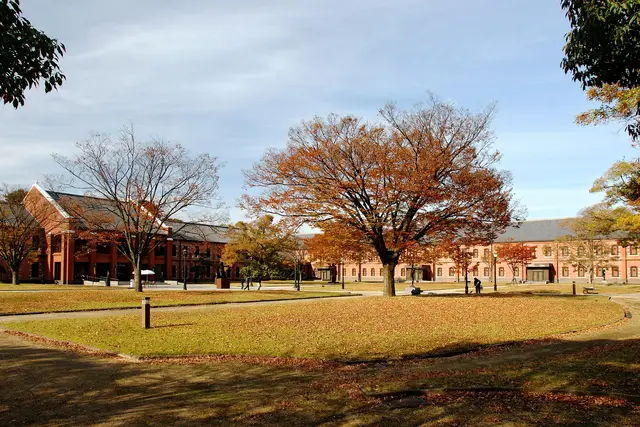
    Himeji City Museum of Art

    An art museum in Meiji-era red-brick buildings just east of the castle. From its lawn you see the keep rising behind the brick.

    • Museums
    • History & buildings

    about 60 minPaid entryFine on a rainy dayWheelchair & stroller friendly

    Walk · About 25 min from Himeji ・ 1.6km

    Go here
  • 5

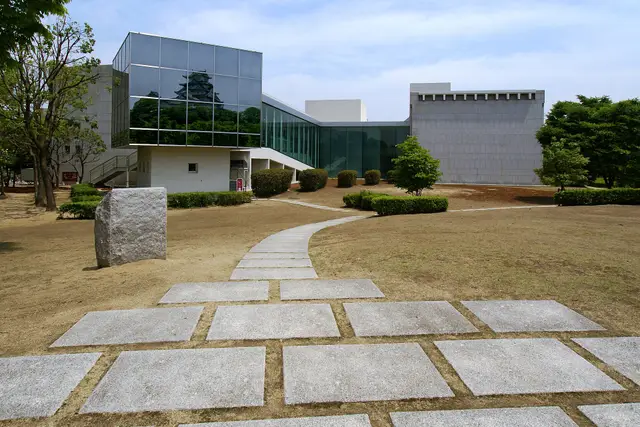
    Hyogo Prefectural Museum of History

    Detailed models explain Himeji Castle and how Japanese castles were built. It stands northeast of the castle; best visited after it.

    • History & buildings
    • With kids

    about 60 minPaid entryFine on a rainy dayWheelchair & stroller friendly

    Walk · About 30 min from Himeji ・ About 30 minutes on foot; or Loop Bus to Hakubutsukan-mae ・ 1.7km

    Go here
  • 6

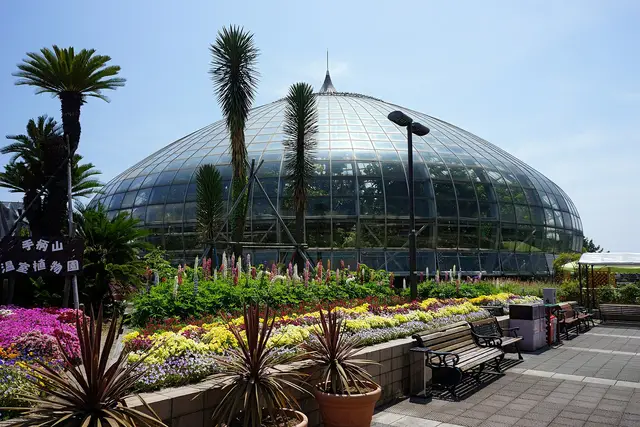
    Tegarayama Peace Park (aquarium and greenhouse)

    A hilltop park that gathers an aquarium, a greenhouse botanical garden, an amusement park and more. Good with children.

    • With kids
    • Nature

    about 2 hrPartly paidFine on a rainy day

    Train · About 20 min from Himeji ・ Sanyo Railway to Tegara, then about 10 minutes on foot ・ 1.5km

    Go here
Show on map

ClassicsFor visitorsLocal picks

Suggested routes

Estimates, leaving at 9:00

  • Himeji Castle, Kokoen and a walk around the castle

    Leave 9:00 → until about 15:56 (about 7 hr)

    1. 9:00Himeji
    2. about 20 min on foot

      9:20Himeji Castlestay about 2.5 hr
    3. about 7 min on foot

      11:57Kokoen Gardenstay about 60 min
    4. about 13 min on foot

      13:10Himeji City Museum of Artstay about 60 min
    5. about 2 min on foot

      14:12Hyogo Prefectural Museum of Historystay about 60 min
    6. about 14 min on foot

      15:26Otokoyama Haisuichi Parkstay about 30 min

    The castle is quietest first thing in the morning. The keep has many steep stairs, so wear good shoes.

    Plan this route
  • The castle in the morning, Engyo-ji on Mt. Shosha in the afternoon

    Leave 9:00 → until about 15:57 (about 7 hr)

    1. 9:00Himeji
    2. about 20 min on foot

      9:20Himeji Castlestay about 2.5 hr
    3. about 7 min on foot

      11:57Kokoen Gardenstay about 60 min
    4. about 30 min by transport

      13:27Engyo-ji Temple (Mt. Shosha)stay about 2.5 hr

    Mt. Shosha is reached by bus and ropeway from the station. A combined bus-and-ropeway ticket is sold.

    Plan this route

Main ways to get around

  • Sanyo Shinkansen

    About 30 minutes from Shin-Osaka, 20 minutes from Okayama and 1 hour from Hiroshima. Many Nozomi trains do not stop at Himeji, so check before boarding.

  • JR Special Rapid (Kobe Line) and Sanyo Railway

    The Special Rapid takes about 1 hour from Osaka and 40 minutes from Sannomiya, with no extra charge. Sanyo Railway trains run from Kobe and Akashi to Sanyo-Himeji.

  • Himeji Castle Loop Bus and Shinki Bus

    The Loop Bus runs from the station round the castle, art museum, literature museum and Kokoen; in some seasons not every day. Shinki Bus reaches Mt. Shosha in about 30 minutes.

  • Mt. Shosha Ropeway

    About 4 minutes from the foot of the mountain to the top. From the upper station it is about 20 minutes on foot to Engyo-ji's Maniden hall. It can stop for wind or maintenance.

  • On foot or by bicycle

    About 15 minutes straight up Otemae-dori from the station to the castle's main gate. Share-cycle ports are also dotted around the centre.

Getting to Himeji

Check prices, opening hours and operating days in official sources.

Local food specialties

Specialties of Himeji, together with those of other places in Hyogo. They are listed by dish, not by shop, and are not recommendations.

  • Hot pots & soups

    Himeji oden (oden dipped in ginger soy sauce)

    姫路おでん

    Oden eaten with ginger soy sauce; served at over 100 places in Himeji.

    Known in
    Himeji
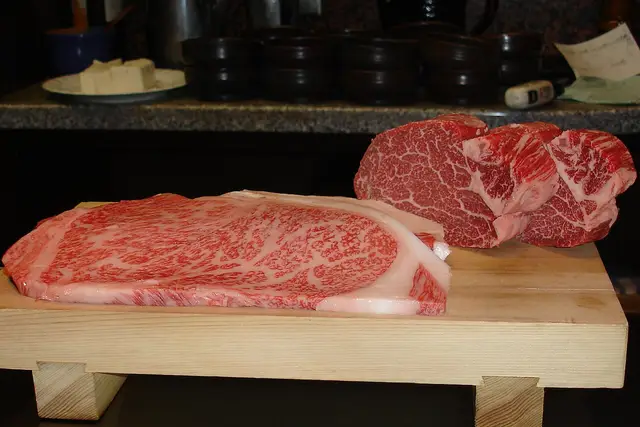
  • Marbled cuts of Kobe beef on a wooden board

    Meat

    Kobe beef (premium wagyu: steak, teppanyaki)

    神戸ビーフ

    Wagyu that only Tajima cattle from Hyogo meeting strict standards can be called; served at steak and teppanyaki restaurants.

    Known in
    Kobe · Kobe guide
  • Savory pancakes

    Sobameshi (fried noodles and rice stir-fried together)

    そばめし

    Yakisoba and rice chopped and fried together on a griddle; a Nagata, Kobe local dish.

    Known in
    Nagata, Kobe · Kobe guide
  • Meat

    Kobe miso-dare gyoza (dumplings with miso sauce)

    神戸の味噌だれ餃子

    Gyoza dipped in a sweet-savory miso sauce, a Kobe style; vinegar, chili oil or garlic can be added.

    Known in
    Kobe · Kobe guide
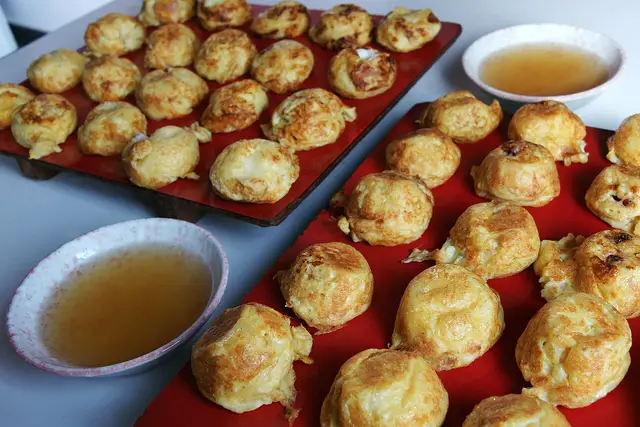
  • Akashiyaki, soft eggy octopus dumplings on red boards, with dashi for dipping

    Savory pancakes

    Akashiyaki (egg-rich takoyaki dipped in dashi)

    明石焼き(玉子焼き)

    Octopus in an egg-rich batter, dipped in dashi broth; locally called tamagoyaki.

    Known in
    Akashi · Akashi guide
  • Seafood

    Ako oysters (large, plump; oyster huts in season)

    赤穂の牡蠣

    Large oysters from Ako on the Seto Inland Sea; oyster huts open in season.

    Known in
    Ako · Ako and Aioi guide
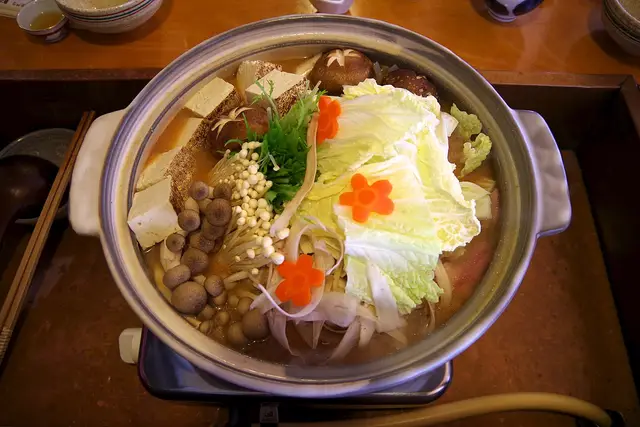
  • Botan nabe: wild boar hot pot with napa cabbage, mushrooms and carrots

    Hot pots & soups

    Botan-nabe (wild boar hot pot)

    ぼたん鍋

    Wild boar simmered in miso broth with sansho pepper and dipped in raw egg; a winter hot pot.

    Known in
    Tamba-Sasayama · Tamba-Sasayama guide
  • Noodles

    Izushi soba (small plates of soba, five per serving)

    出石そば

    Soba served on small plates, about five per portion, eaten with changing condiments on Izushi porcelain.

    Known in
    Izushi
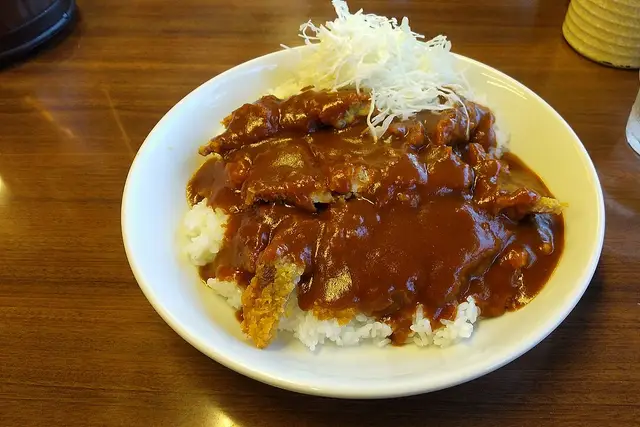
  • Katsumeshi: a cutlet on rice covered in demi-glace sauce, with shredded cabbage

    Rice dishes

    Katsumeshi (beef cutlet on rice with demi-glace)

    かつめし

    Thin beef cutlet on rice topped with demi-glace sauce; said to have started in Kakogawa.

    Known in
    Kakogawa
  • Seafood

    Tajima snow crab (Sea of Japan zuwai crab)

    但馬・日本海のカニ

    Snow crab from the Sea of Japan, branded by landing port, eaten in winter.

    Known in
    Tajima
  • Rice dishes

    Awaji Island gyudon (beef bowl with island beef, onion and rice)

    淡路島牛丼

    A beef bowl made with island-grown beef, onions and rice; each shop makes its own version.

    Known in
    Awaji Island · Awaji Island guide
  • Seafood

    Awaji raw shirasu bowl (fresh whitebait over rice)

    淡路島の生しらす丼

    Fresh raw whitebait from Iwaya served over rice; available from late April to late November.

    Known in
    Iwaya, Awaji Island · Awaji Island guide

The restaurants shown are not recommendations from this site.

Traditional home dishes of Hyogo (30)

When to go

A fairly dry area. The castle in cherry blossom season is the highlight. July–August is hot and humid (26–28°C); winter is cold (4–5°C) but sunny.

Temperature (line: average; band: low to high)

Precipitation (mm)

JanFebMarAprMayJunJulAugSepOctNovDec

Typical seasons

Cherry blossoms (Himeji Castle)

Yukata Festival

Nada Fighting Festival

Autumn leaves (Kokoen, Mt. Shosha)

Show as a table
JanFebMarAprMayJunJulAugSepOctNovDec
High (℃)9.610.413.819.123.726.830.532.528.623.117.311.9
Avg (℃)4.458.313.618.522.426.427.823.817.911.96.6
Low (℃)0.20.53.28.213.518.5232419.813.47.32.4
Rain (mm)36.948.692104.7127.3160.4184.3105.4177.8108.761.247.5

JMA climate normals (1991–2020, Himeji). JMA data

Experiences, tours & cruises1

  • Tour

    Guided tour of Himeji Castle (Himeji Castle Silver Guides)

    姫路城のガイドツアー(姫路城シルバー観光ガイド)

    Himeji Castle Silver Tourist Guides

    Trained guides lead you through Himeji Castle, explaining its history and mysteries. Scheduled tours for individuals run on weekends and holidays. Japanese only.

    • About 105 min

See all experiences, tours & cruises

DetailsGo here

Sources

Local food specialties

Each specialty was checked against an official page (prefecture, municipality, tourism association or JNTO) on 2026-11-17. The descriptions were written by this site.

Photo and data credits

The white keep of Himeji Castle rising above cherry blossoms Seattleite7 (CC BY-SA 4.0) / The white keep of Himeji Castle by ja:User:Reggaeman (Public domain) / Autumn colours around the pond of Kokoen Garden 663highland (CC BY 2.5) / The Mitsunodo halls of Engyo-ji on Mt. Shosha 663highland (CC BY 2.5) / The red-brick Himeji City Museum of Art across its lawn 663highland (CC BY 2.5) / The Hyogo Prefectural Museum of History with a stone path in front 663highland (CC BY 2.5) / The glass dome of the Tegarayama greenhouse behind flower beds 663highland (CC BY 2.5) / Marbled cuts of Kobe beef on a wooden board Orlando G. Calvo (CC BY-SA 3.0) / Akashiyaki, soft eggy octopus dumplings on red boards, with dashi for dipping 663highland (CC BY 2.5) / Botan nabe: wild boar hot pot with napa cabbage, mushrooms and carrots pelican from Tokyo, Japan (CC BY-SA 2.0) / Katsumeshi: a cutlet on rice covered in demi-glace sauce, with shredded cabbage Chacmool (CC BY-SA 4.0). Cropped and resized.